

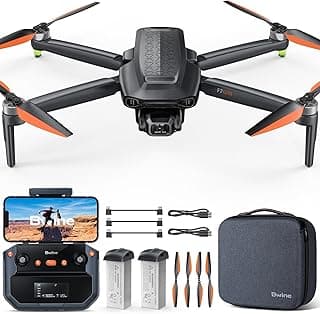
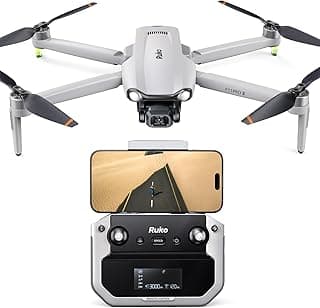
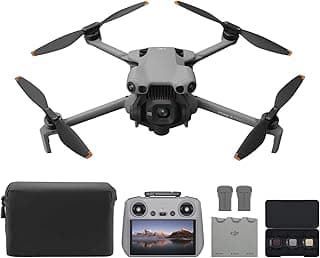
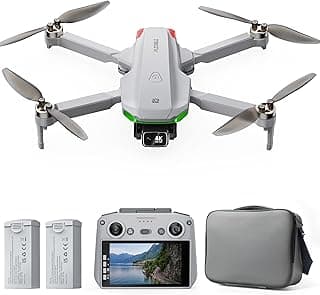
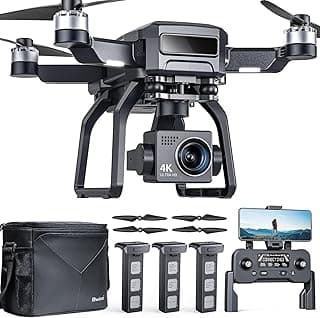
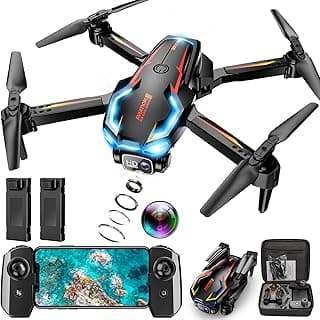
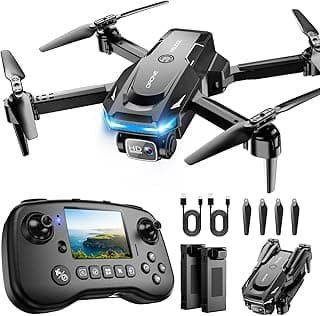
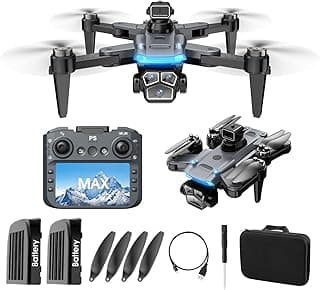
The Physics of the Aerial Image: Why Sensor Size is Absolute
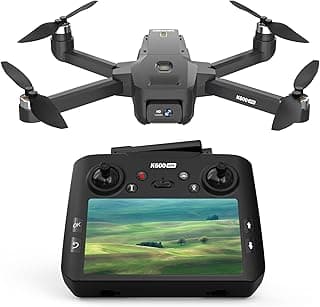
In the realm of landscape photography, the sensor is the heart of the machine. The industry often uses "megapixels" as a marketing hook, yet an elite analyst knows that pixel density is secondary to physical sensor size. A 1-inch CMOS sensor, or the even larger Micro 4/3 sensors found in a best professional drone, provides a significantly larger surface area for photon collection. This physical reality directly translates to lower signal-to-noise ratios in low-light conditions—critical for the "blue hour" or "golden hour" shots that define professional landscape portfolios.
When selecting the best drone for landscape photography as one of the best unique christmas gifts for a serious photographer, consider the bit depth of the output. 8-bit color, common in budget models, can only render 16.7 million colors, often resulting in "banding" in the gradients of a sunset sky. A professional-grade system should offer 10-bit D-Log or RAW recording, capturing over 1 billion colors, allowing the recipient the post-processing latitude they need to realize their artistic vision.
Gifting tech is about more than specifications; it is about upgrading the recipient's window to the digital world, ensuring every frame is a testament to quality.
Analyzing Mechanical Stability and Wind Resistance
A drone is fundamentally a platform for a camera, and that platform must be perfectly still to capture sharp images. The best drone for landscape photography relies on a 3-axis mechanical gimbal. While electronic image stabilization (EIS) is sufficient for action cameras, it fails in long-exposure landscape photography where the shutter may stay open for several seconds to smooth out water or clouds. The mechanical engineer evaluates the brushless motors of the gimbal for their micro-adjustment speed and precision.
Furthermore, wind resistance is a safety and quality factor. Drones are categorized by "Level" wind resistance. A drone suitable for coastal landscapes should have at least Level 5 resistance (up to 24 mph). Without this, the propulsion system will struggle to maintain its GPS coordinates, leading to "motion blur" that ruins high-resolution captures. This technical reliability makes such a device one of the best college graduation gifts for a budding geographer or environmental scientist.
The following table provides a comparative analysis of the technical variables essential for landscape photography:
| Technical Variable | Consumer Level | Professional Grade | Landscape Photography Impact |
|---|---|---|---|
| Sensor Size | 1/2.3-inch CMOS | 1-inch or Micro 4/3 | Increased dynamic range and low-light performance. |
| Aperture | Fixed (f/2.8) | Adjustable (f/2.8 - f/11) | Control over depth of field and exposure in bright light. |
| Bit Depth | 8-bit | 10-bit / 12-bit RAW | Elimination of sky banding; superior color grading. |
| Transmission System | Standard Wi-Fi | OcuSync or Lightbridge | Stable signal at long distances and in interference zones. |
Buy It For Life (BIFL) Philosophy: Longevity and Repairability
As a gifting strategist, I must warn against the trend of "fast consumerism" in the drone market. Drones are often built with permanently welded plastic shells and proprietary batteries that become obsolete within 24 months. To ensure the gift provides long-term value, one should look for models with modular components. Can the propellers be replaced without tools? Is the battery a high-cycle LiPo that can be easily sourced from third parties?
A significant "hidden cost" of drone ownership is battery degradation. Lithium-polymer batteries are chemically volatile and lose significant capacity after 150-200 cycles if not stored at a "discharge" voltage. Educating the recipient on battery maintenance is as important as the gift itself. For what is someone that loves technology, understanding the chemistry of their power source is part of the appeal. High-end drones now feature "Intelligent Flight Batteries" that automatically discharge to a safe level, a feature that significantly extends the lifespan of the hardware.
Multi-dimensional User Empathy: Choosing for the Recipient
The best drone for landscape photography varies based on the user's physical lifestyle. We must segment our choice based on the reality of the photographer's habits:
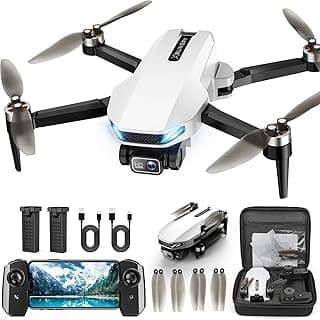
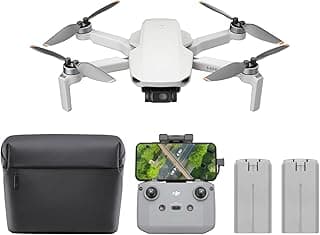
- The Wilderness Backpacker: Weight is the primary constraint. A best aerial photography drone for this user must be under 600g and foldable. Every gram saved in the drone is a gram they can use for water or safety gear.
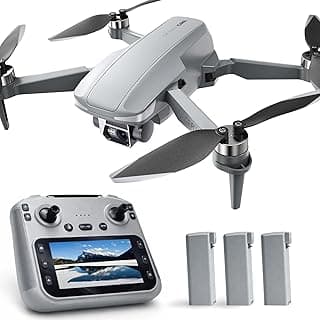
- The Road-Trip Enthusiast: They have the luxury of space. They should prioritize a best 4k drone with a multi-camera system (wide and telephoto) to capture varied perspectives without moving the aircraft.
- The Technology Purist: This user values the flight experience. They require a drone with 360-degree obstacle avoidance and high-speed transmission to ensure the flight is as stress-free as the photography is rewarding.
Frequently Asked Questions
Is 4K resolution enough for professional landscape prints?
Yes, 4K is generally sufficient for digital display and medium-sized prints, but for professional landscape photography, the bitrate and sensor size are more important than the resolution number. A 4K image from a 1-inch sensor will always look sharper and more detailed than a 4K image from a smartphone-sized sensor due to the lack of digital noise and better light gathering.
Can I use a landscape drone in cold weather or snow?
Only if the battery is pre-heated. Lithium batteries lose voltage rapidly in temperatures below freezing, which can lead to sudden power loss mid-flight. Professional drones for landscape work often feature self-heating batteries or require the user to keep the batteries in an internal pocket before take-off.
What is the most common reason for drone failure in landscape photography?
Pilot error during "Return to Home" (RTH) is the leading cause. In mountainous or forested areas, if the RTH altitude is set lower than the surrounding peaks or trees, the drone will collide with an obstacle while attempting to return. Always set the RTH altitude higher than the tallest obstacle in the vicinity.
Do I need a license to give a drone as a gift?
No, you do not need a license to purchase or gift a drone. However, depending on the weight (usually over 250g) and the country of operation, the recipient will likely need to register the drone with aviation authorities and may need to pass a basic safety test before their first flight.
In conclusion, the best drone for landscape photography is a balance of optical excellence, mechanical reliability, and portability. By focusing on the BIFL philosophy and the technical requirements of high-dynamic-range imaging, you ensure that your gift is not just a temporary toy, but a long-term investment in the recipient's creative journey. Whether they are capturing the sweeping dunes of a desert or the jagged edges of a mountain range, the right drone provides a view of the world that was once reserved for those with a helicopter and a dream.