

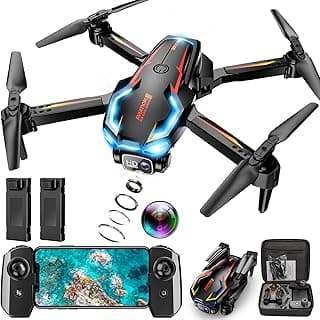
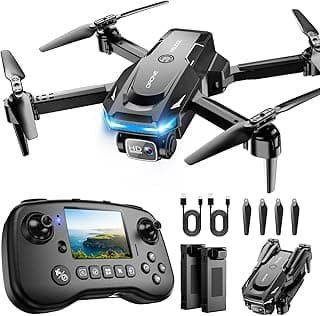
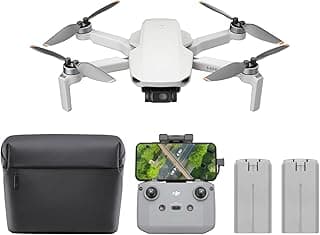
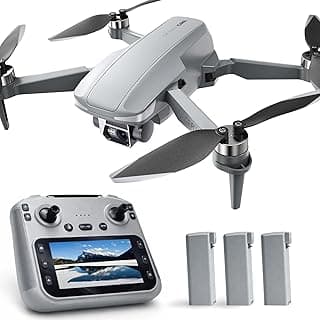
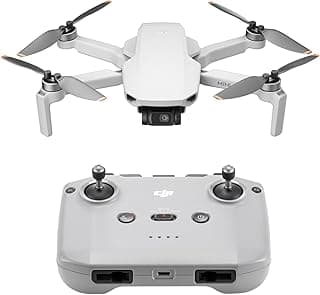
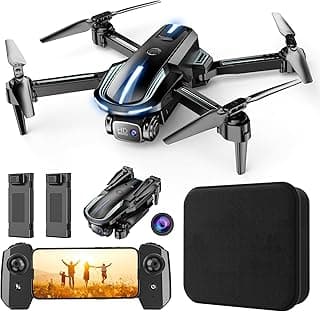
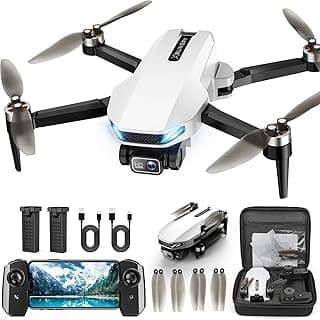
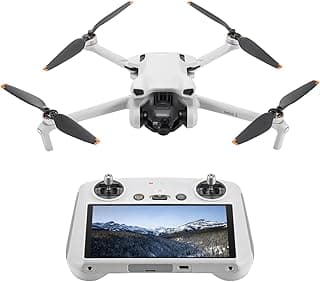
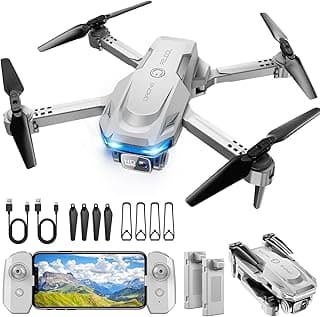
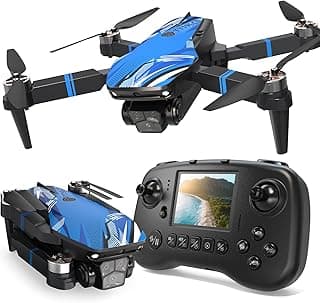
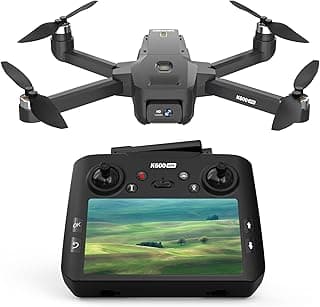
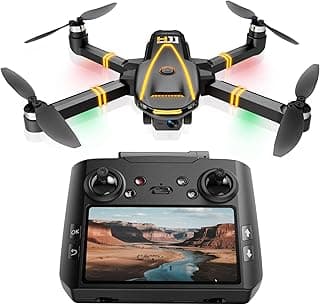
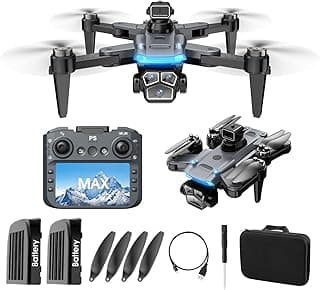
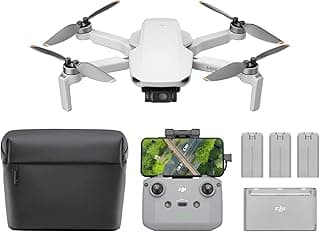
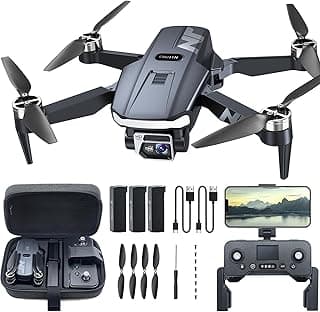
Selecting the best drone for pictures is no longer a matter of simply finding a flying camera; it is an exercise in balancing optical physics with aeronautical stability. For the discerning gift-giver, a drone represents a significant investment in a recipient's creative potential. However, the market is saturated with "toy-grade" aircraft that masquerade as professional tools. To find a device that truly serves as a high-quality gift, one must look past the marketing jargon and analyze the hardware through the lens of a mechanical engineer and a professional photographer.
When you are evaluating options for what is someone that loves technology, the primary technical hurdle is the sensor size. In the world of aerial imaging, resolution (megapixels) is often a distractor. A drone with 48 megapixels on a tiny 1/2.3-inch sensor will frequently produce noisier, less usable images than a drone with 20 megapixels on a 1-inch sensor. This is due to pixel pitch—larger sensors allow for larger individual pixels, which capture more photons and provide better dynamic range. This technical distinction is crucial when choosing a gift that is intended for serious landscape or architectural photography.
Gifting tech is about more than specifications; it is about upgrading the recipient's window to the digital world, ensuring every frame is a testament to quality.
The stability of the platform is the second pillar of a successful aerial imaging gift. A high-resolution sensor is useless if the mechanical gimbal cannot compensate for wind-induced vibrations or the drone's own motor frequencies. A three-axis mechanical gimbal is the industry standard; electronic image stabilization (EIS) often results in a "jello effect" or loss of detail during the cropping process. If the recipient is interested in best recording drones, the gimbal's ability to maintain a level horizon during aggressive maneuvers is the difference between professional footage and amateurish, shaky clips.
User empathy is essential when matching a drone to a recipient's lifestyle. A frequent traveler requires a sub-250-gram aircraft to avoid the complexities of international registration and heavy carrying cases. Conversely, a professional artist may prioritize a drone with a Hasselblad or Leica-engineered lens, accepting the trade-off of a larger, heavier frame. Understanding how to come up with good gift ideas involves recognizing these physical and regulatory limitations before the purchase is made.
| Technical Variable | Consumer Grade (Entry Level) | Prosumer/Professional Grade |
|---|---|---|
| Sensor Size | 1/2.3" or 1/1.3" CMOS | 1" CMOS or Four Thirds |
| Bitrate | 60 - 100 Mbps | 150 - 200+ Mbps (D-Log/H.265) |
| Obstacle Avoidance | Downward/Forward only | Omnidirectional (All directions) |
| Flight Time (Real World) | 18 - 22 Minutes | 28 - 35 Minutes |
The "Buy It For Life" (BIFL) philosophy is particularly challenging in the drone industry due to the inherent volatility of Lithium-Polymer (LiPo) batteries and fast-moving software ecosystems. However, a high-quality gift should prioritize modularity. When looking for best quality drones, check if the manufacturer offers replaceable propeller arms, easily accessible gimbal covers, and long-term firmware support. Avoid drones with integrated batteries that cannot be swapped; these are designed for obsolescence, as the battery will inevitably degrade after 200 to 300 cycles, rendering the entire unit useless if it cannot be replaced.
Hidden costs are another factor often overlooked by gift-givers. The "sticker price" of the best drone for pictures is rarely the final cost of ownership. A serious photographer will require at least two additional batteries, a set of Neutral Density (ND) filters to manage shutter speeds in bright daylight, and a high-speed UHS-I U3 microSD card. Without these accessories, the drone's technical capabilities are artificially throttled. Therefore, when considering best gift ideas for teens who are aspiring creators, it is often better to buy a mid-tier "Fly More" bundle than a top-tier "drone-only" package that lacks the necessary power and storage for a full day of shooting.
For those specifically seeking a best 4k drone, the frame rate and color profile are the distinguishing features. Professionals look for 10-bit color depth, which allows for significantly more flexibility in "color grading" during post-production. A standard 8-bit video file will "break" (showing visible banding in the sky) if you try to push the colors too far, whereas a 10-bit D-Log file preserves the shadow and highlight details needed for cinematic results. This is the level of technicality that defines the best aerial photography drone for a creative professional.
Finally, safety and ease of use should be paramount, especially if the gift is for someone new to the hobby. GPS-assisted flight, "Return to Home" (RTH) failsafes, and omnidirectional obstacle sensing are not just luxuries—they are insurance policies for your investment. A drone that crashes on its first flight due to a lack of sensors is a poor gift. High-quality systems use a combination of visual sensors, ultrasonic pings, and infrared light to map their surroundings in real-time, allowing the pilot to focus on the composition of the image rather than the physics of the flight.
Frequently Asked Questions
Is a higher megapixel count always better for drone pictures?
No, megapixel count is secondary to sensor size. A 20MP image from a 1-inch sensor will almost always have better dynamic range and less noise than a 48MP image from a smaller 1/2.3-inch sensor, especially in low-light conditions. Larger sensors have larger pixels, which are physically more efficient at gathering light data.
Do I need a special license to give a drone as a gift?
No license is required to purchase or gift a drone, but the recipient must comply with local aviation regulations. In many regions, drones weighing 250g or more require registration and a basic knowledge test for recreational use. Always check the weight of the drone before purchasing to understand what legal requirements the recipient will face.
How long do drone batteries actually last?
While manufacturers often claim flight times of 30 to 40 minutes, real-world usage—including takeoff, landing, and fighting wind resistance—usually results in 20 to 25 minutes of active "shooting" time. Because LiPo batteries degrade over time, it is recommended to store them at 50% charge and avoid exposing them to extreme temperatures to maximize their lifespan.
What is an ND filter and why is it needed for drone photography?
Neutral Density (ND) filters act like sunglasses for the drone's camera. They reduce the amount of light hitting the sensor, allowing the pilot to use a slower shutter speed (to create motion blur in video) or a wider aperture without overexposing the image. They are essential for achieving a professional "look" in bright, outdoor environments.
Can I repair a drone if it crashes?
It depends on the brand's design. Premium manufacturers often provide replacement parts like propellers and landing gear, and some offer comprehensive insurance plans that replace the unit for a small fee. However, budget drones often have welded plastic shells that are difficult to open without causing further damage, making them essentially disposable after a major impact.