
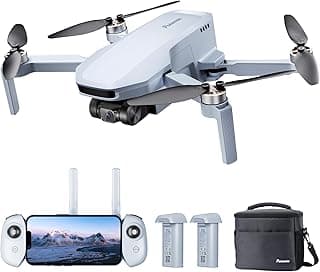
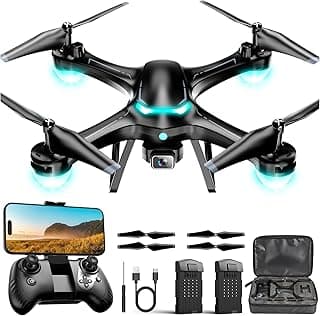
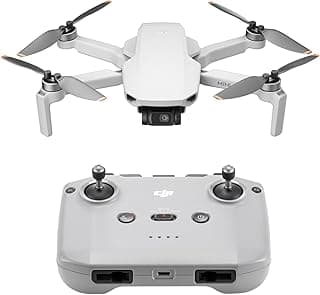
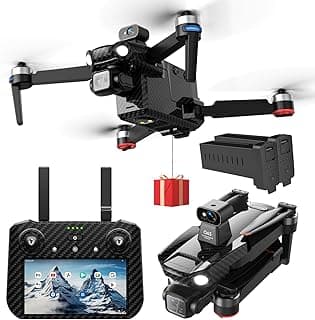
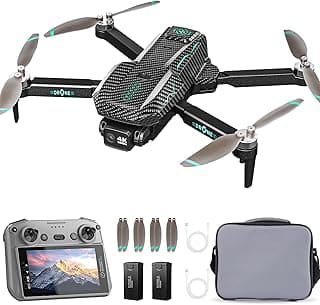
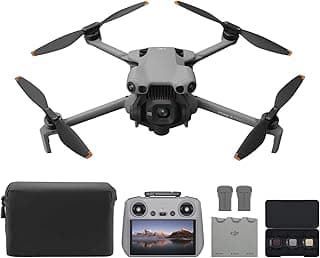
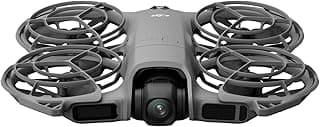
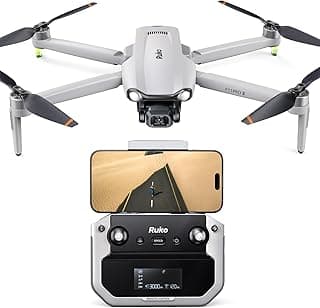
The Engineering Standards of High-Quality Unmanned Aerial Vehicles
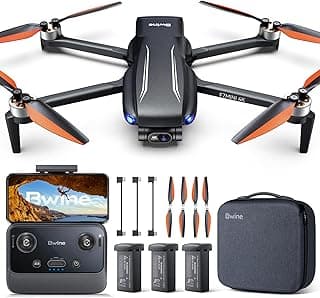
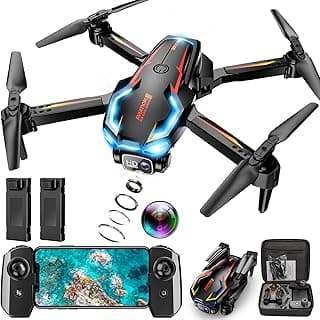
When assessing "quality," one must look past the glossy packaging. The core of any high-end drone is its propulsion system. The best quality drones utilize brushless motors, which offer significantly higher torque-to-weight ratios and longer lifespans than the brushed alternatives found in budget models. Furthermore, the electronic speed controllers (ESCs) must be capable of processing thousands of adjustments per second to maintain a stable hover in variable wind conditions. This technical precision is often what separates a frustating toy from a professional-grade instrument.
Gifting tech is about more than specifications; it is about upgrading the recipient's window to the digital world, ensuring every frame is a testament to quality.
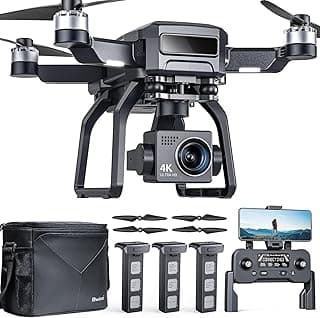
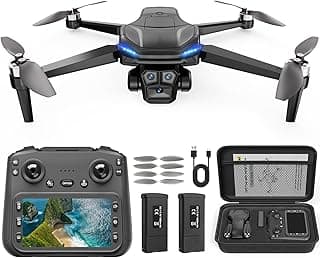
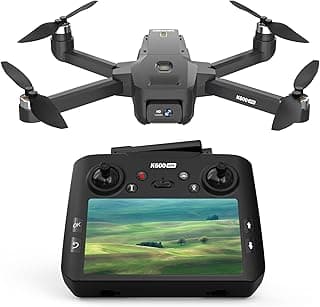
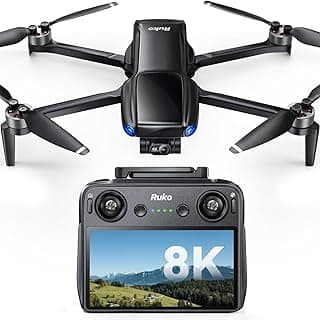
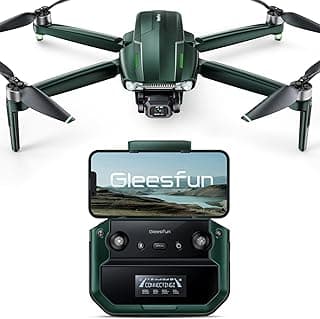
Optical quality is another critical vector. While many manufacturers claim 4K capabilities, the physical size of the CMOS sensor dictates real-world performance. A drone equipped with a 1-inch sensor will capture significantly more dynamic range and perform better in low-light scenarios than a smaller 1/2.3-inch sensor, regardless of the advertised pixel count. For those considering a best aerial photography drone, the mechanical gimbal—the three-axis stabilization system—is just as important as the lens itself. Without a precision-engineered gimbal, even the highest resolution footage will be marred by high-frequency vibrations and "jello" effects.
Comparing Technical Variables Across Quality Tiers
To help you decide how to come up with good gift ideas in the drone category, the following table compares key technical variables that define "quality" in the current marketplace.
| Feature | Mid-Range Quality | Professional Tier Quality | Impact on Gifting |
|---|---|---|---|
| Sensor Size | 1/1.3-inch to 1/2-inch | 1-inch to Micro Four Thirds | Determines low-light clarity. |
| Transmission System | Standard WiFi / OcuSync 2.0 | OcuSync 3.0+ / Lightbridge | Prevents signal loss and crashes. |
| Obstacle Avoidance | Downward & Forward sensors | Omnidirectional (360-degree) | Essential for beginner safety. |
| Motor Type | Standard Brushless | High-Efficiency Brushless | Extends battery life and durability. |
Multi-dimensional User Empathy: Matching Drone to Recipient
A gift is only successful if it aligns with the recipient's environment and physical capabilities. What is someone that loves technology? They are often individuals who appreciate the nuances of a well-integrated ecosystem. For an urban dweller, a drone weighing under 240 grams is the highest "quality" choice because it often bypasses restrictive registration requirements, allowing for more spontaneous use. Conversely, a recipient living in a rural or coastal area requires a heavier airframe with a higher wind resistance rating to ensure the machine isn't lost to a sudden gust.
For the younger demographic, finding the best gift ideas for teens means prioritizing software safety features. The best quality drones for beginners include "Geofencing" technology, which prevents the drone from entering restricted airspace, and "Return to Home" (RTH) functions that trigger automatically if the battery reaches a critical level or the signal is interrupted. These features protect the investment and provide peace of mind for the gift-giver.
The BIFL Philosophy: Repairability and Hidden Costs
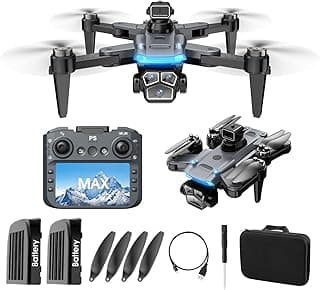
In alignment with the "Buy It For Life" philosophy, one must analyze the modularity of the drone. High-quality systems are designed to be repaired rather than discarded. Before purchasing, verify the availability of replacement propeller blades, landing gear, and batteries from the manufacturer or reputable third parties. Machines that are glued shut or use proprietary, non-replaceable components represent poor long-term value, as a single minor collision can render the entire unit obsolete.
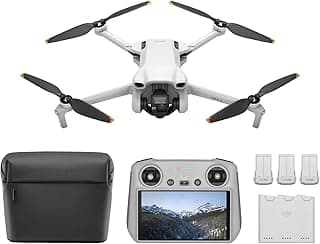
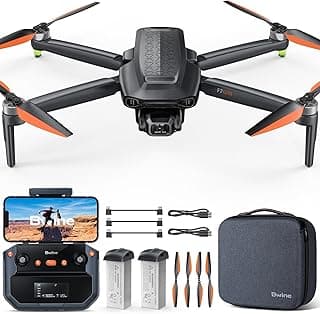
Furthermore, consider the hidden costs of ownership. A best 4k drone is useless without high-speed V30-rated microSD cards and a set of Neutral Density (ND) filters to control shutter speeds. When gifting, it is often better to provide a "Fly More" bundle that includes extra batteries and a dedicated charging hub, as 20 minutes of flight time is rarely sufficient for a meaningful session of exploration or content creation.
Advanced Use Cases: Professional and FPV Systems
For recipients who are already involved in professional cinematography or industrial inspections, the requirements shift toward redundancy and specialized payloads. A best professional drone might feature dual-operator controls or thermal imaging capabilities. These systems are significantly more complex and require a recipient who is willing to invest time in technical training and regulatory compliance.
Another emerging segment is the First-Person View (FPV) market. While traditional drones focus on stability and automation, FPV drones prioritize immersion and manual control. If you are looking for the best rtf fpv drone (Ready-To-Fly), ensure it includes a reliable set of goggles and a low-latency digital transmission system. These are excellent gifts for those who enjoy high-speed maneuvers and technical challenges, though the learning curve is substantially steeper than that of a standard GPS drone.
Frequently Asked Questions
Are high-quality drones difficult for a beginner to fly?
No. In fact, higher-quality drones are generally easier to fly because they utilize a suite of sensors—including GPS, GLONASS, and downward-facing vision systems—to maintain a rock-steady hover without manual input. Budget drones often lack these stabilization features, requiring constant pilot correction and increasing the risk of a crash.
How long do drone batteries actually last?
While marketing materials may claim 30 to 45 minutes, real-world flight times for the best quality drones typically range from 22 to 32 minutes per charge. Factors such as wind resistance, aggressive maneuvering, and recording in high-resolution formats deplete the battery significantly faster than laboratory hover tests suggest.
Do I need to register a drone if it is a gift?
It depends on the weight and location. In many jurisdictions, any drone weighing 250 grams or more must be registered with the local aviation authority. If the drone is intended for commercial use, additional certifications are almost always required regardless of the aircraft's weight. Always check local regulations before the first takeoff.
Can drone cameras be upgraded later?
Generally, no. In most consumer and prosumer models, the camera and gimbal are integrated into the airframe's software and hardware architecture. To upgrade the camera, one typically must purchase a new drone. This is why investing in a superior sensor at the time of initial purchase is a more sustainable long-term strategy.
Ultimately, the best quality drones are those that balance sophisticated technology with user-centric design. By focusing on mechanical durability, sensor size, and signal reliability, you can ensure that your gift provides years of creative exploration rather than a few hours of frustration. Whether it is for a milestone celebration or a professional endeavor, a well-chosen drone remains one of the most transformative gifts in the modern technological landscape.