
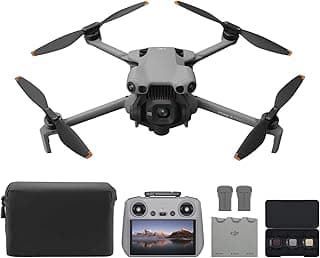
The Physics of the Perfect Shot: Sensors and Optics
In the world of aerial imaging, the sensor is the heart of the machine. Most consumer drones utilize small sensors that struggle in low-light conditions, leading to digital noise that ruins high-resolution prints. For a truly professional result, an analyst must look at the CMOS (Complementary Metal-Oxide-Semiconductor) size. A 1-inch sensor is currently the gold standard for high-end consumer photography, offering a significantly higher dynamic range than the 1/2.3-inch sensors found in budget models.
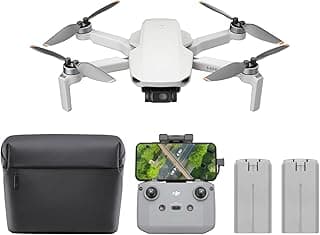
Dynamic range allows the photographer to recover details in the shadows and highlights—a critical requirement for sunset or sunrise shots where the contrast is extreme. When evaluating a best professional drone, one must verify the glass quality as well. Variable apertures are a rare but vital feature for still photographers, allowing them to control the depth of field and light intake without relying solely on electronic shutter speeds or ND filters.
Gifting tech is about more than specifications; it is about upgrading the recipient's window to the digital world, ensuring every frame is a testament to quality.
Analyzing Durability and the Hidden Costs of Ownership
From a "Buy It For Life" (BIFL) perspective, drones are complex machines with high-wear components. Many users overlook the fact that a drone is essentially a flying computer subject to intense vibration and thermal stress. The longevity of the brushless motors and the integrity of the Electronic Speed Controllers (ESCs) determine whether the gift remains functional after its first year of operation.
Prospective buyers must consider the availability of third-party replacement parts and the modularity of the design. Machines with integrated batteries that cannot be replaced or gimbals that are fused to the mainboard often become "e-waste" after a minor incident. We recommend prioritizing systems that offer robust obstacle avoidance sensors and easily swappable propellers. Furthermore, the operational costs—including high-speed microSD cards, extra intelligent flight batteries, and specialized carrying cases—can add 20% to 30% to the initial purchase price.
User-Centric Segmentation: Matching the Drone to the Pilot
Not every photographer needs a heavy, complex rig. To help you in how to come up with good gift ideas, we have categorized aerial photography needs based on physical and environmental limitations:
- The Traveler: Needs a sub-250g weight to bypass many international registration requirements. These users value "folding" mechanics and USB-C charging.
- The Fine Art Photographer: Requires a best 4k drone or higher (5.4K or 8K) capability to allow for significant cropping in post-production without losing detail.
- The Commercial Professional: Needs redundant systems, long-range transmission (OcuSync or similar), and the ability to carry specialized filters.
Technical Comparison of Aerial Imaging Variables
To provide a clear overview for those evaluating the best drone for still photography, the following table breaks down the technical differences between various tiers of hardware:
| Feature | Consumer Hobbyist | Prosumer Level | Professional Grade |
|---|---|---|---|
| Sensor Size | 1/2.3-inch CMOS | 1-inch CMOS | Micro Four Thirds (MFT) |
| Photo Resolution | 12MP - 20MP | 20MP - 48MP | 20MP - 100MP |
| File Format | JPEG / Basic RAW | DNG RAW (10-bit) | ProRes RAW (12-bit) |
| Gimbal Stability | 2-Axis Electronic | 3-Axis Mechanical | 3-Axis Precision Mechanical |
| Flight Time | ~20 Minutes | ~30-40 Minutes | ~25-35 Minutes (with heavy optics) |
Stability: The Unsung Hero of Still Photography
While the sensor captures the light, the gimbal and GPS positioning systems ensure the image is sharp. Even a slight breeze can cause a best quadcopter-drone to drift, resulting in motion blur. For long-exposure shots—such as "blue hour" cityscapes or flowing waterfalls—the drone must be able to hold its position with centimeter-level accuracy. This is achieved through a combination of GPS, GLONASS, and downward-facing vision sensors.
When selecting a best aerial photography drone, consider the wind resistance rating. A drone that can only handle 10 mph gusts will be useless in coastal or mountainous environments where still photography is most sought after. Advanced pilots often look for drones with "Level 5" wind resistance or higher, ensuring the mechanical gimbal can compensate for the airframe's tilt while keeping the camera perfectly level with the horizon.
Frequently Asked Questions (FAQ)
Does more megapixels always mean better still photography?
No. While higher megapixel counts allow for larger prints, the size of the individual pixels (pixel pitch) is more important for light sensitivity and dynamic range. A 20MP sensor that is 1-inch in size will almost always produce a cleaner, more professional image than a 48MP sensor that is only 1/2-inch in size, especially in challenging lighting conditions.
Is it difficult to learn how to fly a drone for photography?
The learning curve has decreased significantly due to automated flight modes and sophisticated obstacle avoidance. Most modern high-end drones feature "Return to Home" (RTH) functions and stable hovering capabilities that allow the photographer to focus entirely on the composition of the shot rather than the mechanics of flight. However, manual proficiency is still recommended for emergency situations.
What is the most important accessory for an aerial photographer?
Neutral Density (ND) and Circular Polarizing (CP) filters are essential. ND filters act like sunglasses for the lens, allowing the photographer to use specific shutter speeds in bright daylight, while CP filters reduce glare from water or glass and enhance the saturation of the sky, which is vital for high-quality still images.
Ultimately, gifting the best drone for still photography is about providing a tool for creative liberation. By focusing on sensor quality, mechanical stability, and long-term repairability, you ensure that the recipient can capture the world from a perspective that was once reserved for those with helicopters and professional film crews. In the intersection of engineering and art, the right drone becomes more than just a gadget; it becomes a legacy-building instrument.