
The Engineering of Value: Stability and Propulsion
A drone’s ability to remain stationary in a 20mph gust is the primary indicator of its engineering quality. This stability relies on the integration of Global Navigation Satellite Systems (GNSS) and high-quality brushless motors. Unlike brushed motors found in budget models, brushless motors use electronic speed controllers (ESCs) to adjust timing with millisecond precision, resulting in significantly higher torque-to-weight ratios and longer lifespans. This level of sophistication is exactly what you should consider when researching how to come up with good gift ideas for someone who appreciates technical excellence.
Gifting tech is about more than specifications; it is about upgrading the recipient's window to the digital world, ensuring every frame is a testament to quality.
Furthermore, the sensor size—not just the megapixel count—determines the visual output. A 1/2.3-inch CMOS sensor is the standard for entry-level value, but moving to a 1-inch sensor provides the dynamic range necessary for shooting in low-light conditions without introducing excessive digital noise. If the recipient is an enthusiast, they might identify as what is someone that loves technology—someone who understands that bitrates (e.g., 100Mbps) are just as important as resolution (4K) for post-production editing.
Comparative Technical Variables for Value Drones
The following table outlines the critical technical benchmarks that define the best drone for the money in the current market. These variables should be scrutinized before making a purchase.
| Technical Variable | Entry-Level Value | Mid-Range Value | Professional Value |
|---|---|---|---|
| Stabilization Method | Electronic (EIS) | 2-Axis Mechanical | 3-Axis Mechanical Gimbal |
| Motor Type | Brushed (High Wear) | Brushless (Standard) | High-Efficiency Brushless |
| Sensor Size | 1/2.3" CMOS | 1/2" CMOS | 1" CMOS or larger |
| Transmission Range | Wi-Fi (200m - 500m) | Proprietary RF (2km - 4km) | Dual-Band RF (10km+) |
| Flight Time | 15 - 20 Minutes | 25 - 30 Minutes | 31 - 45 Minutes |
Multi-Dimensional User Needs: From Travelers to Content Creators
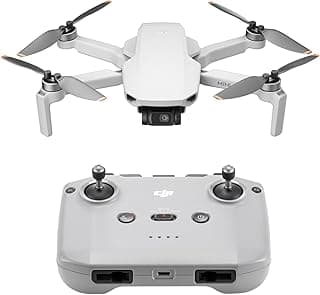
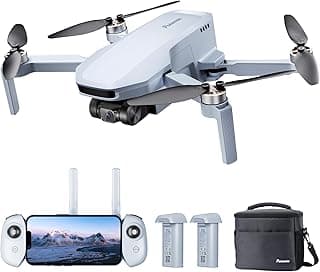
Not every user requires a heavy, professional-grade rig. For the minimalist traveler, the best drone for the money is often a sub-240-gram unit. These "mini" drones avoid many of the regulatory burdens imposed on heavier aircraft while still offering stabilized video. However, light weight comes at the cost of wind resistance. A user in coastal or mountainous regions will find a lightweight drone frustrating to fly, as the flight controller must work overtime to maintain a GPS lock, rapidly depleting the battery.
For those focused on high-speed action, a standard camera drone may not suffice. In these cases, it is worth looking into the best sport camera options that can be hard-mounted or integrated into FPV (First Person View) systems. While a best 4k drone provides cinematic sweeps, an FPV drone provides an immersive, high-speed perspective that mirrors the recipient's own physiological excitement during flight.
The "Buy It For Life" Philosophy: Repairability and Hidden Costs
The hidden tragedy of the consumer drone industry is the "non-repairable" nature of many modern designs. Many budget-friendly drones use ultrasonic welding rather than screws, making it impossible to replace a cracked shell or a snapped motor arm. A truly high-value gift is one that can be maintained. Before buying, check the availability of third-party replacement parts such as propeller guards, landing gear, and ribbon cables.
Lithium-Polymer (LiPo) batteries represent a significant ongoing cost. These batteries degrade after approximately 200–300 charge cycles, and proprietary batteries can cost a significant portion of the drone's original price. When seeking the best affordable video drone, calculate the "Total Cost of Ownership" over three years, including at least two spare batteries and multiple sets of propellers. Drones that utilize standard USB-C charging for their controllers and smart flight batteries offer better long-term value than those requiring bulky, specialized charging bricks.
Direct Answer Framework: Drone Gifting FAQ
Is a $100 drone worth it as a serious gift?
No, a $100 drone typically lacks a mechanical gimbal and GPS, making it difficult to control and prone to "fly-aways" in even light wind. These are generally considered toys with a short lifespan rather than serious tools for photography or hobbyist flight. For a meaningful gift, it is better to increase the budget slightly to secure a model with GPS-assisted flight and brushless motors.
Should I prioritize 4K resolution or flight stability?
Stability is the priority, as 4K resolution is meaningless if the footage is shaky or distorted by "jello" effect. A drone with a 1080p camera on a 3-axis gimbal will produce far more professional-looking results than a 4K camera fixed directly to the drone's frame. Look for mechanical stabilization as the primary feature in any drone marketed as having the best drone for the money.
Do I need to register a drone given as a gift?
In many jurisdictions, drones weighing 250 grams or more must be registered with national aviation authorities. If you are gifting a heavier unit, you should inform the recipient of these requirements to ensure they fly legally and safely. For those who want to avoid registration, focus on the "mini" class of drones that fall just under the 250g threshold.
Ultimately, the best drone for the money is a tool that expands the recipient's perspective. Whether it is used to inspect a roof, film a family vacation, or simply enjoy the physics of flight, the engineering behind the device determines the quality of the experience. By focusing on mechanical gimbals, brushless motors, and repairable designs, you ensure that your gift remains a functional part of their tech arsenal for years to come.