
The Physics of Aerial Cinematography: Beyond the Megapixel Myth
When evaluating the best drone for videography, technical skepticism is paramount. Manufacturers often highlight high megapixel counts, yet in the world of video, sensor surface area and pixel pitch are the true indicators of quality. A large sensor, such as a 1-inch CMOS, provides superior dynamic range and low-light performance compared to smaller sensors found in budget models. This is particularly vital for what is someone that loves technology because it allows for "clean" footage—minimizing digital noise in the shadows during golden hour shoots.
Furthermore, the "best" video isn't just about resolution. While a best 4k drone is now considered the industry standard, the internal processing power—measured in Mbps (Megabits per second)—dictates how much detail is actually retained. A drone capturing 4K at 100Mbps will offer significantly more flexibility in post-production than one capturing 4K at 40Mbps, which may suffer from compression artifacts in high-detail areas like forest canopies or moving water.
Gifting tech is about more than specifications; it is about upgrading the recipient's window to the digital world, ensuring every frame is a testament to quality.
Technical Variable Comparison for Aerial Video Systems
To assist in the decision-making process, the following table compares the essential technical variables that differentiate a standard consumer unit from a high-performance videography tool.
| Technical Specification | Entry-Level Enthusiast | Professional Videography Standard |
|---|---|---|
| Sensor Size | 1/2.3-inch CMOS | 1-inch to Micro Four Thirds |
| Color Profile Support | Standard (Rec.709) | 10-bit D-Log / HLG |
| Maximum Bitrate | 40 - 60 Mbps | 100 - 150 Mbps |
| Obstacle Avoidance | Downward Only | Omnidirectional (360 degrees) |
| Stabilization | 2-Axis Mechanical | 3-Axis High-Torque Gimbal |
Multi-dimensional User Empathy: Matching the Gift to the Creator
A "one size fits all" approach fails when gifting high-end electronics. The needs of a professional wedding filmmaker differ vastly from those of a teenage adventurer. When looking for best gift ideas for teens, portability and ease of use (intelligent flight modes) are key. A teen might value "QuickShots"—automated patterns like orbits and spirals—that allow them to create social media content without years of manual flight practice.
Conversely, for the dedicated filmmaker, the best professional drone must offer manual control over every variable: ISO, shutter speed, and aperture. This user requires a "Buy It For Life" (BIFL) mentality. They need a machine with a modular gimbal or at least a highly serviceable airframe. If you are struggling with how to come up with good gift ideas, consider the recipient's existing camera gear. If they use professional filters on their ground cameras, they will likely want a drone that supports high-quality ND (Neutral Density) filters to maintain the "180-degree shutter rule" for cinematic motion blur.
The Travel Vlogger and the Weight Constraint
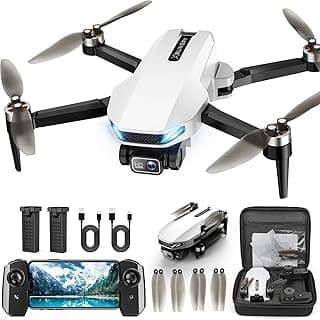
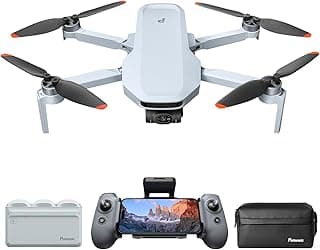
For those who travel frequently, the "best" drone is often the one that stays under the 250-gram weight limit. Many countries require registration and pilot licenses for heavier aircraft. A sub-250g best aerial photography drone provides a unique "frictionless" gifting experience, allowing the recipient to fly in more locations legally without the administrative burden of heavier systems. However, as an engineer, I must warn that lighter drones are more susceptible to wind drift, requiring more sophisticated GPS and motor compensation algorithms to remain stable.
The BIFL Philosophy: Durability and Hidden Costs of Ownership
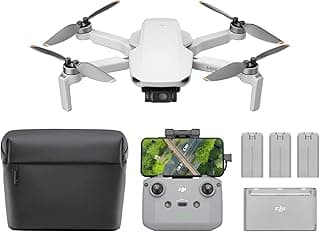
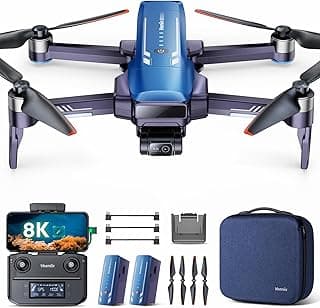
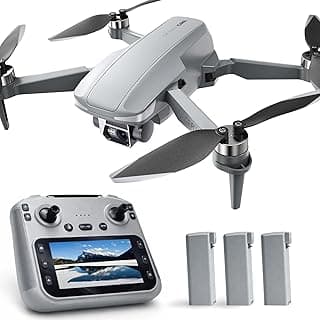
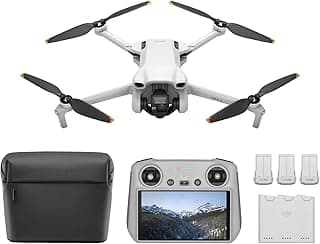
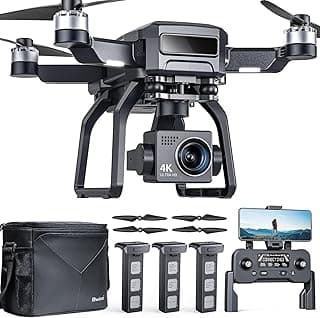
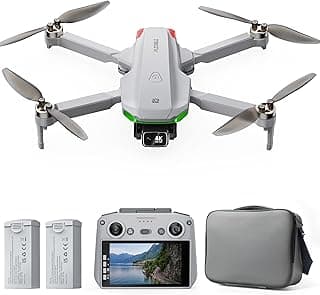
Gifting the best drone for videography involves understanding the long-term commitment. Drones are essentially flying computers with high-discharge lithium-polymer batteries. These batteries have a finite lifespan, typically degrading significantly after 200–300 cycles. A thoughtful gift includes not just the aircraft, but a "Fly More" style bundle that includes extra batteries and a multi-charger. This prevents the frustration of a 20-minute flight followed by a 2-hour wait.
Moreover, consider repairability. Drones operate in an environment where collisions are a statistical likelihood, not just a possibility. Before purchasing, verify the availability of replacement propellers and arms. Products from market leaders often have a robust third-party ecosystem for parts, ensuring the gift doesn't become electronic waste after a minor "prop-strike." For significant holidays, such as finding best gifts for xmas, choosing a brand with a local repair center or a comprehensive accidental damage protection plan is the ultimate insurance for your investment.
Direct Answer Framework: Frequently Asked Questions
Is a 4K drone always better for videography?
No, resolution is only one factor of video quality. A 1080p video captured on a 1-inch sensor with high-quality optics and 10-bit color depth will often look more "cinematic" and professional than grainy, over-sharpened 4K footage captured on a tiny, low-cost sensor. Focus on sensor size and dynamic range over raw resolution numbers.
Do I need to buy a separate controller?
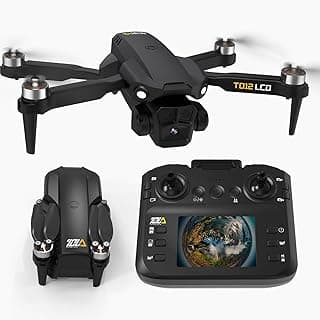
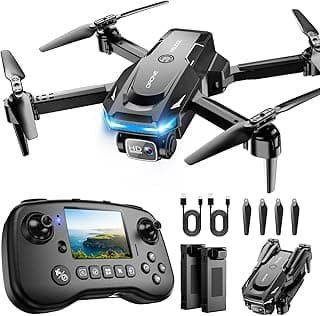
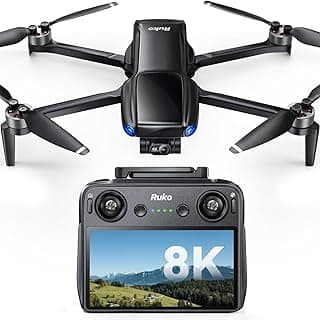
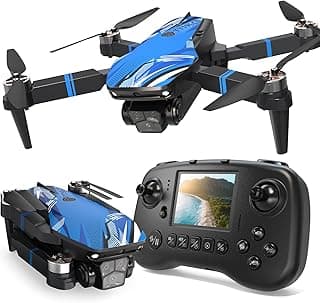
Usually, the best experience requires a dedicated remote controller. While some drones can be controlled via smartphone apps, the tactile feedback of physical joysticks is essential for the smooth, slow movements required in high-quality videography. High-end gifts often feature controllers with built-in high-brightness screens, which are much easier to see in direct sunlight than a standard phone screen.
What is the most important accessory for drone video?
Neutral Density (ND) filters are the most important accessory for any drone videographer. Because drones often have a fixed aperture, ND filters act like "sunglasses" for the camera, allowing the pilot to use a slower shutter speed in bright daylight. Without these, video often looks "jittery" or too sharp, lacking the natural motion blur that characterizes professional cinema.
In conclusion, the best drone for videography is a synthesis of advanced optics, stable flight controllers, and long-term serviceability. By focusing on the technical requirements of the creator and the physical limitations of the environment, you can provide a gift that truly elevates their artistic potential.