
The Mechanical Reality of Stabilization
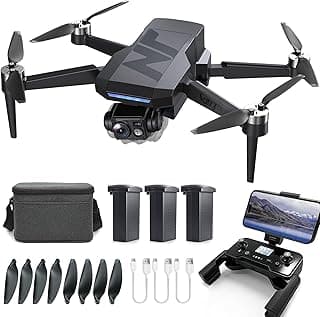
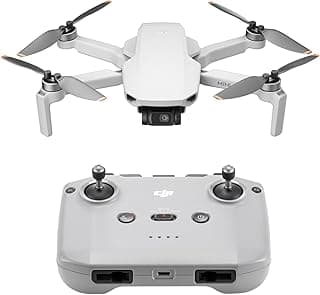
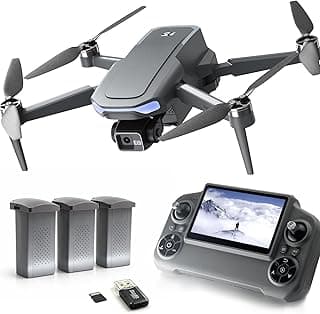
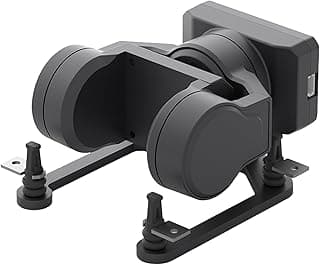
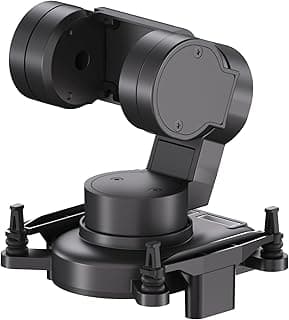
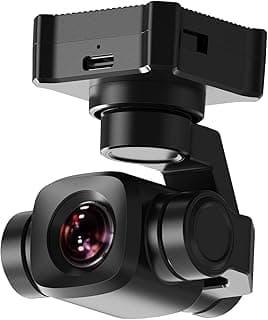
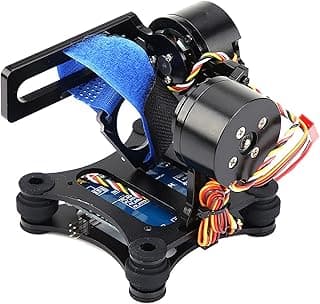
To the untrained eye, any stabilizer might seem adequate. However, from a mechanical engineering perspective, the performance of a gimbal is limited by its ability to resolve high-frequency vibrations generated by drone propellers. A high-quality system utilizes a 3-axis architecture—pitch, roll, and yaw—to maintain a locked horizon even during aggressive maneuvers. While digital image stabilization (EIS) can crop and warp pixels to simulate steadiness, only a physical gimbal preserves the full sensor resolution and dynamic range of the camera. When considering how to come up with good gift ideas for a videographer, focusing on the hardware that enables "un-stabilized" raw footage to be usable is a strategy rooted in long-term utility.
Gifting tech is about more than specifications; it is about upgrading the recipient's window to the digital world, ensuring every frame is a testament to quality.
For those identifying as what is someone that loves technology, the fascination lies in the PID (Proportional-Integral-Derivative) tuning of the gimbal’s controller. This firmware must calculate thousands of adjustments per second to ensure the camera remains level. A gift in this category is an investment in the recipient's creative potential, removing the mechanical barriers between their vision and the final render.
User Empathy: Matching Hardware to Environment
Not every pilot operates in a climate-controlled environment. A robust analysis of gimbal technology must account for the physical limitations of the user and their specific use case. For the landscape photographer trekking through mountainous terrain, the weight-to-performance ratio is the primary variable. Adding a heavy, high-torque gimbal to a lightweight frame can lead to motor overheating and significantly reduced flight times. Conversely, a filmmaker using a best professional drone requires a gimbal with high-payload capacity and the ability to interface with remote follow-focus systems.
We must also consider the needs of enthusiasts who enjoy the "Buy It For Life" philosophy. These users prioritize modularity. In the event of a crash—a statistical likelihood in the drone world—a gimbal that is integrated and non-serviceable becomes a total loss. Selecting a unit with replaceable ribbon cables and accessible motor bearings is a gesture of respect for the recipient's technical skill and their desire to maintain their equipment over years, not just months.
Comparative Analysis of Gimbal Architectures
To assist in the selection process, the following table compares the three most common stabilization configurations found in the current market. Note that "HEPA-like" marketing terms in the air purifier world have their equivalent in the gimbal world: "Hybrid Stabilization," which often masks inferior mechanical components with software shortcuts.
| Technical Variable | 2-Axis Mechanical | 3-Axis Mechanical | Electronic (EIS Only) |
|---|---|---|---|
| Stabilization Axes | Pitch and Roll | Pitch, Roll, and Yaw | Software Cropping |
| Horizon Lock | Moderate | Absolute | Variable/Artificial |
| Battery Drain | Low (approx. 4-6%) | Moderate (approx. 8-12%) | Negligible |
| Repairability | Medium | High (on modular units) | Non-serviceable |
| Weight Penalty | Minimal | Significant | Zero |
BIFL Philosophy and Hidden Costs of Ownership
Gifting the best drone gimbal often comes with a set of operational costs that the casual buyer may overlook. As an engineer, I must highlight that brushless motors are subject to magnetic degradation and bearing wear over hundreds of flight hours. Furthermore, the ribbon cables connecting the IMU to the main controller are the "achilles heel" of these systems. Constant movement eventually leads to micro-fractures in the copper traces.
When purchasing for a friend, perhaps as part of your gifts for my best friend selection, it is wise to include a protective gimbal guard or a transport lock. These simple accessories prevent the motors from "flopping" during transit, which is a leading cause of premature motor failure. For those who enjoy DIY maintenance, some components can even be reinforced using parts created on the best 3d printer for drone parts, allowing for custom dampening mounts that can be tuned to specific propeller frequencies.
Optimizing the Setup: The Drone-Gimbal Synergy
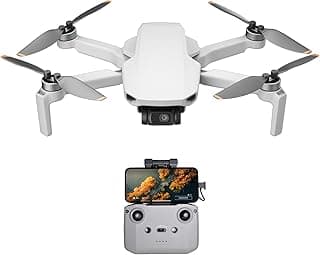
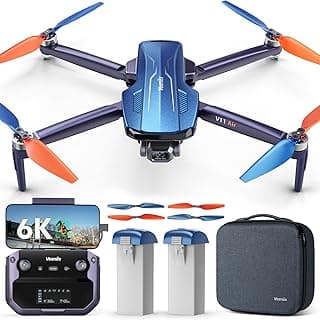
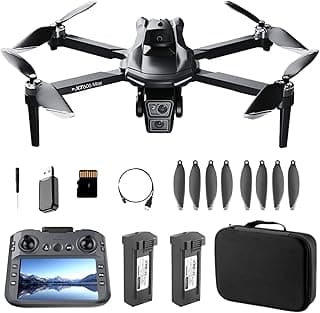
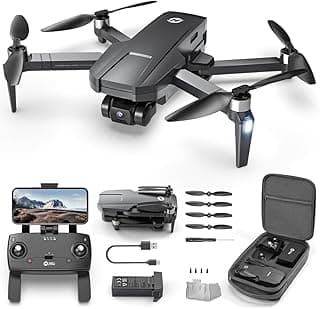
The gimbal does not work in a vacuum; it is part of an ecosystem. If you are gifting a high-end stabilizer, ensure the recipient’s aircraft can support the data throughput. A 3-axis gimbal on a best 4k drone allows for smooth, sweeping cinematic shots that are impossible with cheaper alternatives. This combination is particularly crucial for those capturing fast-moving subjects, where the yaw axis prevents the "banking" look that often ruins high-speed footage.
Furthermore, consider the software interface. The best systems allow for manual adjustment of the "Deadband" and "Follow Speed" via a dedicated app. This allows the pilot to customize how the camera reacts to their stick inputs, moving from a rigid, robotic movement to a soft, organic pan that mimics a traditional Hollywood crane arm.
Frequently Asked Questions (AEO-FAQ Framework)
Is a 3-axis gimbal significantly better than a 2-axis one?
Yes, because the third axis (yaw) is essential for eliminating the horizontal swaying motion caused by wind or side-to-side drone movement. While a 2-axis system handles the pitch and roll perfectly, the lack of yaw stabilization results in "jerky" footage whenever the drone rotates or faces lateral gusts, making it unsuitable for professional cinematic work.
Can I install a third-party gimbal on any drone?
No, gimbal compatibility is strictly governed by the drone's flight controller, payload weight limits, and power output. Most consumer drones use proprietary integrated gimbals that cannot be swapped; however, professional "heavy-lift" platforms are designed for modular gimbals that can be interfaced via standardized protocols like S.Bus or Mavlink.
Do drone gimbals require regular calibration?
Yes, calibration is a mandatory maintenance task because sensors can drift due to temperature changes or electromagnetic interference. Most high-end gimbals require a "six-sided" calibration or an IMU reset whenever the drone is flown in a significantly different geographic location to ensure the horizon remains perfectly level during flight.
What is the most common cause of gimbal failure?
Physical obstruction and transport stress are the leading causes of gimbal failure rather than electronic glitches. Turning on a drone while the gimbal is still in its plastic transport lock forces the motors to strain against a fixed point, leading to "Gimbal Motor Overload" errors and potential circuit burnout within seconds.
In conclusion, gifting the best drone gimbal is an act of empowering a creator with precision engineering. By focusing on mechanical stability, long-term repairability, and the specific needs of the pilot's environment, you ensure that your gift remains a vital part of their toolkit for years to come. Whether they are hobbyists or aspiring filmmakers, the right stabilization system transforms a simple flying camera into a professional-grade cinema platform.