
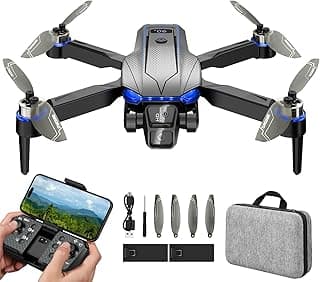
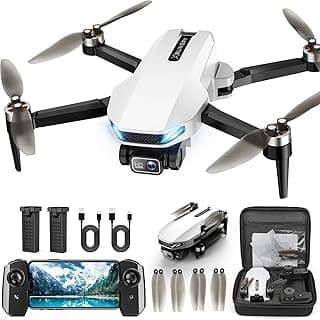
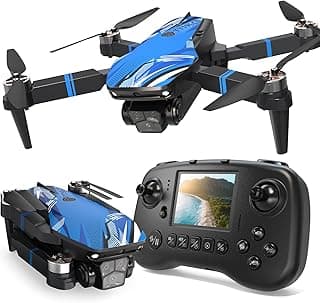
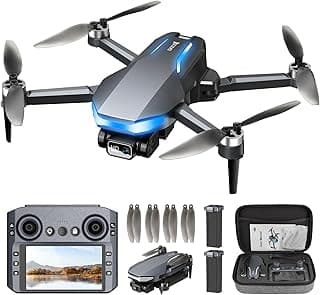
The Physics of Flight Stability and Wind Resistance
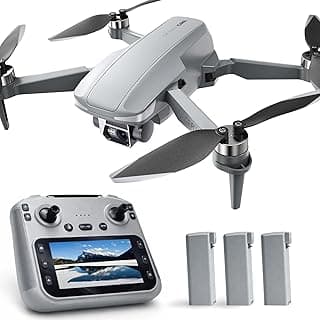
The primary differentiator in the consumer drone market is the effectiveness of the Electronic Speed Controller (ESC) and the propulsion system's efficiency. The best drone to buy must feature brushless motors; unlike brushed alternatives found in toy-grade models, brushless systems offer superior torque-to-weight ratios and significantly longer lifespans due to reduced mechanical friction. This technical distinction is crucial because it dictates how the aircraft behaves in non-ideal weather. A drone with high-frequency ESCs can make micro-adjustments to motor speed thousands of times per second, maintaining a level horizon even in 20-knot gusts.
When considering gifts for my best friend who enjoys photography, the gimbal mechanism is the next critical variable. A mechanical 3-axis gimbal is the only reliable method for eliminating high-frequency vibration and rolling shutter effects. Software-based electronic image stabilization (EIS) often crops the image significantly and introduces "jello" artifacts that degrade the professional quality of the footage. Therefore, the best drone to buy for serious imaging is one where the camera is physically isolated from the airframe's vibrations.
Gifting tech is about more than specifications; it is about upgrading the recipient's window to the digital world, ensuring every frame is a testament to quality.
Optical Engineering: Sensors vs. Megapixels
Consumers are often misled by high megapixel counts, but in the realm of aerial photography, sensor size is the definitive metric for image quality. A larger CMOS sensor (such as a 1-inch or 4/3-inch sensor) allows for larger individual pixels, which directly translates to a higher dynamic range and lower signal-to-noise ratios in low-light environments. This is particularly relevant when looking for a best 4k drone; 4K resolution on a tiny 1/2.3-inch sensor will never match the color depth and clarity of a 4K image produced by a larger sensor.
| Technical Variable | Entry-Level (Budget) | Prosumer (Gift Quality) | Professional (BIFL) |
|---|---|---|---|
| Sensor Size | 1/2.3" CMOS | 1" CMOS | Micro 4/3 or Full Frame |
| Motor Type | Brushed (High Wear) | Brushless (Long Life) | High-Torque Brushless |
| Obstacle Sensing | None or IR Only | Tri-directional Vision | Omnidirectional Binocular |
| Transmission System | Standard Wi-Fi | OcuSync/Enhanced RF | Enterprise-Grade Encrypted |
The Buy It For Life (BIFL) Philosophy in Drones
A major pitfall in the tech gifting space is the "planned obsolescence" of non-serviceable batteries and proprietary hardware. The best drone to buy is one that supports a robust ecosystem of third-party parts. Lithium-Polymer (LiPo) batteries are consumables; they will inevitably degrade after 200-300 charge cycles. Before purchasing, verify the availability and cost of replacement batteries and propeller sets. If a manufacturer does not offer a clear path for battery replacement, the device is essentially a disposable product. This is a vital consideration for What is someone that loves technology?—they likely value the ability to maintain and upgrade their equipment over time.
Furthermore, consider the "Hidden Costs of Ownership." This includes high-speed microSD cards (U3/V30 rating required for 4K video), ND filters for controlling exposure in bright sunlight, and potentially Part 107 certification or local registration fees. Educating the recipient on these requirements ensures the gift remains a joy rather than a regulatory or financial burden.
User Empathy: Matching Hardware to the Pilot
The "best" drone is subjective based on the recipient's living conditions and physical capabilities. For instance:
- The Urban Dweller: Needs a sub-250g drone to bypass many weight-based registration requirements and minimize the acoustic footprint in dense environments.
- The Remote Adventurer: Requires long-range transmission systems and high wind resistance (Level 5 or higher) to handle unpredictable coastal or mountain weather.
- The Tech Expert: When asking What to gift a smart person?, the answer often lies in an FPV (First Person View) system. These require higher manual dexterity but offer an unparalleled immersive experience that standard GPS drones cannot replicate.
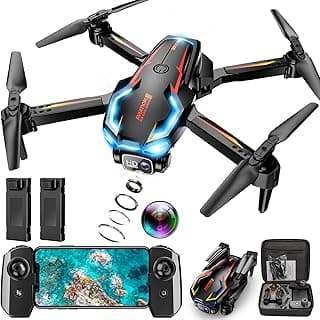
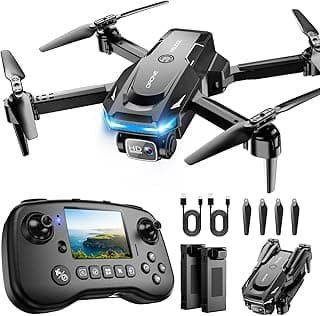
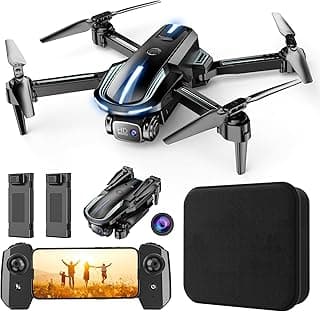
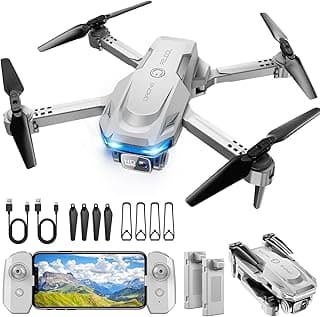
For those on a tighter budget, a best 100 dollar drone can serve as an excellent "trainer" model to build muscle memory before graduating to a best professional drone. This tiered approach prevents expensive "fly-away" incidents caused by pilot error during the learning phase.
Frequently Asked Questions
Is it worth buying a drone with obstacle avoidance?
Yes, obstacle avoidance sensors are a critical safety feature that significantly reduces the risk of hull damage during automated flight modes or signal loss. While it does not replace pilot vigilance, binocular vision sensors can detect power lines, branches, and walls, automatically braking the aircraft to prevent collisions.
How long do drone batteries actually last?
Real-world flight times are typically 15-20% shorter than the manufacturer’s "ideal conditions" rating. A battery rated for 30 minutes will generally provide 22-25 minutes of safe flight, as the "Return to Home" (RTH) function will trigger once the battery hits a 20% safety threshold to prevent a mid-air power failure.
What is the most important spec for a beginner?
GPS integration is the most important feature for a novice pilot. A drone with dual-band GPS (GPS and GLONASS) can maintain a static hover without pilot input, ensuring that if the user lets go of the controllers, the aircraft stays in a fixed position rather than drifting with the wind.
Do I need a special phone to fly a drone?
No, but you do need a modern smartphone with sufficient processing power to handle high-definition video downlinks. Ensure the mobile device's operating system is compatible with the drone's specific control app and that the screen is bright enough (measured in nits) to be visible under direct sunlight.
Ultimately, the best drone to buy is the one that balances technical sophistication with the recipient's actual usage patterns. By focusing on modularity, sensor size, and flight stability, you ensure that your gift provides years of creative exploration rather than a few weeks of novelty before a mechanical failure.