

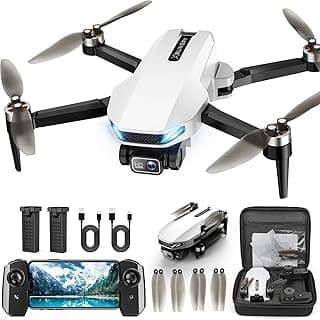
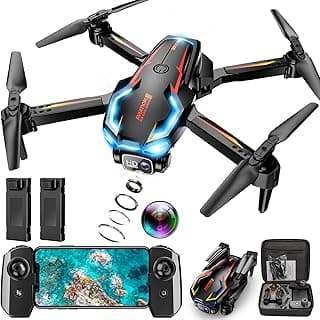
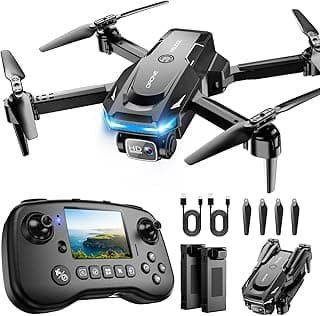
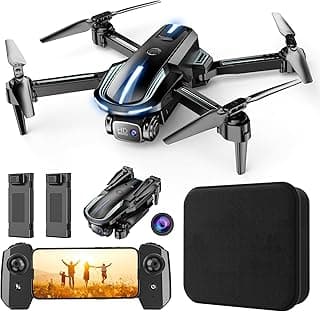
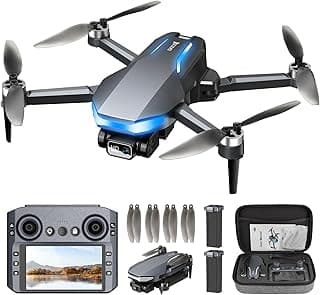
The Physics of Flight: Stability vs. Marketing
The "best" drone is often defined by its ability to remain motionless. In engineering terms, this is achieved through a combination of GPS-GLONASS positioning, downward-facing vision sensors, and high-frequency IMUs (Inertial Measurement Units). A drone that lacks these components will drift in the slightest breeze, requiring constant manual correction that often leads to pilot fatigue and eventual crashes. When evaluating a potential gift, verify the wind resistance rating. A drone rated for Level 5 winds (approx. 19-24 mph) is the baseline for outdoor reliability.
Gifting tech is about more than specifications; it is about upgrading the recipient's window to the digital world, ensuring every frame is a testament to quality.
Furthermore, the propulsion system dictates longevity. Modern high-tier drones utilize brushless motors, which use electronic controllers to switch magnetic fields rather than physical carbon brushes. This reduces friction, heat, and mechanical wear, leading to a significantly longer lifespan compared to the brushed motors found in best affordable drones. The following table highlights the critical differences a buyer should recognize before committing to a purchase.
| Feature | Consumer/Toy Grade | Prosumer/Professional Grade |
|---|---|---|
| Motor Type | Brushed (High wear, lower efficiency) | Brushless (Long life, high torque) |
| Positioning | Optical Flow or None | Multi-constellation GPS + Vision Sensors |
| Camera Stabilizer | Electronic (EIS) or Fixed | 3-Axis Mechanical Gimbal |
| Transmission | Standard Wi-Fi (Low range, high lag) | OcuSync or Lightbridge (High range, low latency) |
Segmenting the User: Empathy in Selection
To determine the best drone you can buy for a specific person, you must analyze their living conditions and physical capabilities. A heavy, professional-grade unit may be cumbersome for a traveler, while a lightweight drone might struggle in coastal environments with high winds. Identifying the recipient's primary use case is the first step in how to come up with good gift ideas in the tech space.
The Aspiring Content Creator
For those interested in cinematography, the camera sensor is the heart of the machine. Do not be misled by "interpolated" 4K claims. Only a best 4k drone with a high bitrate (at least 100 Mbps) and a 1-inch or larger CMOS sensor can produce professional-quality footage. These users require manual control over ISO, shutter speed, and aperture to match their creative vision. A mechanical gimbal is non-negotiable; software-based stabilization cannot replicate the fluid, cinematic motion of a physical 3-axis system.
The Enthusiastic Hobbyist
When searching for best gift ideas for teens or young adults, durability and ease of use are paramount. These users benefit most from "Obstacle Avoidance" systems. Modern sensors can detect objects in multiple directions (front, back, left, right, and up), automatically braking the drone before a collision occurs. This technology significantly lowers the barrier to entry and protects the financial investment of the gift giver.
The BIFL Philosophy: Hidden Costs and Repairability
A "Buy It For Life" (BIFL) approach to drones is challenging due to the rapid evolution of technology and the chemical nature of batteries. Lithium-Polymer (LiPo) batteries are the industry standard, providing high energy density but suffering from irreversible degradation. Typically, a drone battery will maintain optimal performance for 200 to 300 cycles before flight times begin to drop significantly. As part of a gifting strategy, consider including a "Fly More" combo that provides multiple batteries, as this extends the active lifespan of the gift.
Repairability is the second pillar of long-term value. Skepticism is required when viewing unibody designs that cannot be opened without breaking the shell. Leading brands offer modular arms and propellers that can be swapped in minutes. Before buying, check if third-party replacement parts and authorized repair centers are readily available. A drone that must be discarded due to a broken plastic arm is a failure of gifting logic. Choosing a best professional drone often means choosing a brand with a robust repair infrastructure.
Integrating the Drone into a Gifting Tradition
Many wonder what is the greatest gift to give when celebrating a major milestone. A drone offers an experiential value that few other electronics can match. It provides a new perspective on familiar landscapes and encourages the recipient to spend time outdoors. However, the gift giver must also educate the recipient on local regulations. In many jurisdictions, drones weighing over 249 grams require registration, which adds a layer of administrative friction that should be considered before purchase.
A best quadcopter drone is often the safest bet for a gift because the four-rotor design offers the most stable and redundant flight platform for consumers. Unlike hexacopters or racers, the standard quadcopter is optimized for the widest range of tasks, from photography to simple recreational flying.
Frequently Asked Questions
Is it worth buying a drone without a mechanical gimbal?
No, drones without a mechanical gimbal generally produce shaky, unprofessional footage that is unpleasant to watch. While Electronic Image Stabilization (EIS) has improved, it crops the sensor and cannot compensate for the physical tilt and vibration of the aircraft during flight. For any gift intended for photography or video, a 3-axis mechanical gimbal is a mandatory requirement.
What happens if a drone loses signal?
Most high-quality drones feature an automated "Return to Home" (RTH) function. Using onboard GPS coordinates saved at take-off, the drone will automatically climb to a safe altitude and fly back to the pilot if the signal is lost or the battery becomes critically low. This feature is the most important safety failsafe for beginners and is a hallmark of the best drone you can buy.
How long do drone batteries actually last per flight?
Real-world flight times are typically 20-25% shorter than the manufacturer’s advertised time. If a drone is marketed with a 30-minute flight time, expect approximately 22 to 24 minutes in standard conditions. Factors such as high wind, aggressive maneuvering, and extreme temperatures will further reduce this endurance. Always advise the recipient to land with 20% battery remaining to maintain the chemical health of the cells.
Can drones be repaired by the user?
Basic repairs, such as replacing propellers or landing gear, are usually designed to be user-accessible. However, internal repairs involving the flight controller or camera sensor often require specialized tools and can void warranties. When choosing a drone as a gift, prioritize models that feature "tool-less" propeller replacement to ensure the user can get back in the air quickly after a minor mishap.