
The Physics of Aerial Stability and Image Quality
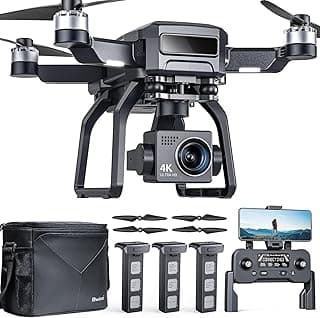
In the realm of aerial photography, stability is the precursor to clarity. The industry relies heavily on three-axis mechanical gimbals to counteract the high-frequency vibrations of brushless motors and the low-frequency shifts caused by wind resistance. A drone that lacks a high-quality physical stabilizer—relying instead solely on electronic image stabilization (EIS)—will inevitably produce artifacts and "jello" effects when pushed to its limits. When considering what is someone that loves technology, it is important to realize that they value the precision of these mechanical components over software-based shortcuts.
Furthermore, the sensor is the heart of the machine. Most consumer-grade "photography drones" utilize small 1/2.3-inch sensors, which are physically incapable of capturing high dynamic range in challenging lighting. For a gift that truly serves a creative purpose, aiming for at least a 1-inch CMOS sensor is the baseline for professional-looking results. These larger sensors provide better signal-to-noise ratios and improved low-light performance, allowing the recipient to capture sunsets and urban landscapes with minimal digital grain.
Gifting tech is about more than specifications; it is about upgrading the recipient's window to the digital world, ensuring every frame is a testament to quality.
Multi-dimensional User Empathy: Regulations and Portability
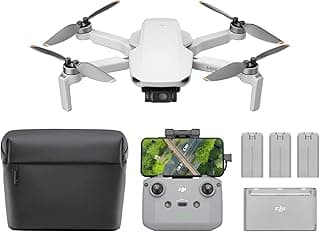
The perfect gift must align with the recipient's lifestyle and legal environment. A common oversight in gifting is ignoring the weight threshold set by aviation authorities. Drones weighing 250 grams or more often require mandatory registration and are subject to stricter flight restrictions in many jurisdictions. For many users, particularly those seeking best gift ideas for teens, a sub-250g drone is a superior choice because it bypasses much of this regulatory friction while still offering impressive 4K video capabilities.
For the traveler, portability is paramount. Folding designs have become the industry standard, but the durability of the hinge mechanisms varies wildly. A well-engineered folding drone uses high-tensile plastics or carbon fiber composites to ensure that repeated cycles of opening and closing do not lead to structural fatigue. If the gift recipient is someone who frequently documents their adventures, they will likely need a high-quality display to view their shots; pairing a drone with the best monitors for watching movies and editing ensures they can appreciate their work in full detail once they return home.
Technical Specifications Comparison for Gifting
To help you navigate the complex market, the following table compares key technical variables that define the performance of the best drones for photography.
| Feature | Entry-Level Hobbyist | Prosumer Standard | Professional Impact |
|---|---|---|---|
| Sensor Size | 1/2.3" CMOS | 1" CMOS | Better dynamic range and color depth. |
| Video Resolution | 4K @ 30fps | 5.4K @ 60fps | Allows for cropping and high-speed slow motion. |
| Transmission Range | 4km (Wi-Fi) | 12km+ (OcuSync/Proprietary) | Higher signal reliability and lower latency. |
| Flight Time | ~20 Minutes | ~35-45 Minutes | Crucial for capturing the perfect "Golden Hour" light. |
BIFL Philosophy: Longevity and Repairability
The "Buy It For Life" (BIFL) philosophy is notoriously difficult to apply to drones due to the inherent fragility of flight and the rapid evolution of battery chemistry. However, a responsible gift-giver should look for a best quadcopter drone that offers modular replacement parts. High-quality manufacturers provide readily available replacement propellers, landing gear, and even camera modules. One should avoid "sealed" units where a single broken arm necessitates the disposal of the entire machine.
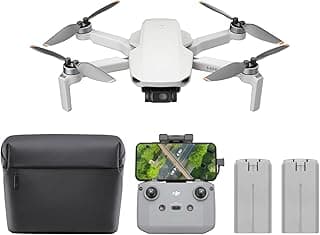
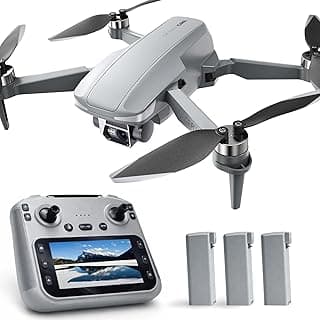
Hidden costs are another factor. A drone's lithium-polymer (LiPo) batteries are consumables; they will chemically degrade after 200–300 cycles. When gifting, consider a "Fly More" bundle that includes extra batteries and a multi-charger. This not only increases the immediate enjoyment of the gift but also ensures the machine remains useful as the primary battery's capacity inevitably shrinks. For those who enjoy the hands-on aspect of tech, a best 3d printer pen can even be used to make small aesthetic modifications or non-structural accessories for their new hobby.
Advanced Imaging Features: Beyond the Megapixels
When assessing the best drones for photography, software intelligence plays a massive role in user safety and creative freedom. Features like omnidirectional obstacle sensing are not just "nice to have"—they are critical insurance against the pilot's inevitable mistakes. These systems use a network of vision sensors and ultrasonic pings to build a real-time 3D map of the environment, automatically braking the drone before it can collide with a tree or power line.
For the photographer, look for drones that support RAW image formats (DNG). This is non-negotiable for anyone who intends to edit their photos seriously. RAW files preserve all the data captured by the sensor, allowing the photographer to recover details from deep shadows or bright highlights that would be lost in a compressed JPEG. If you are looking for the best 4k drone, ensure that its internal processor can handle high bitrates (100Mbps or higher) to avoid digital artifacts in complex textures like foliage or moving water.
Frequently Asked Questions (FAQ)
Is a drone the best creative gift for a beginner?
Yes, provided the drone includes GPS stabilization and automated return-to-home features. Modern flight controllers have made the learning curve remarkably shallow, allowing beginners to focus on framing the shot rather than struggling to keep the aircraft level. When considering what is the greatest gift to give, a tool that empowers a new skill is often the most memorable choice.
Do I need to buy a separate controller?
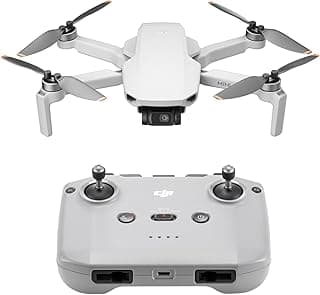
No, most high-quality drones come with a dedicated remote controller, though some budget models rely on smartphone apps. For photography, a dedicated controller with physical joysticks and a high-brightness screen is significantly superior as it provides tactile feedback and better visibility in direct sunlight.
How long do drone batteries actually last?
While manufacturers may claim 30 to 40 minutes, real-world flight times are typically 20% lower due to wind resistance and the safety margin required for landing. Always account for the "return to home" power reserve, which usually triggers when the battery hits 20%.
Can drones be repaired if they crash?
Only if the manufacturer supports modularity and provides spare parts. High-end brands often offer "refresh" programs where you can pay a small fee for a replacement unit in the event of a total wreck, which is a highly recommended add-on for a gift.
Ultimately, the journey to find the best drones for photography is about balancing technical capability with the recipient's specific needs. Whether it is a compact unit for a best friend's vacation or a professional rig for a seasoned artist, these flying cameras are more than gadgets—they are tools of discovery. In the grand scheme of what is the greatest gift to give, the ability to see the world from a new angle remains one of the most profound offerings a person can receive.