
Understanding Transmission Protocols: The Latency Threshold
The primary differentiator between a frustrating user experience and a seamless one is the transmission protocol. Most consumer electronics operate on crowded 2.4GHz or 5.8GHz bands. In urban environments, signal interference from routers and mobile towers can cause the "live" feed to stutter or drop entirely. When researching best aerial photography drone options, it is vital to look for proprietary transmission technologies like OcuSync or Lightbridge. These systems use frequency hopping to maintain a stable 1080p feed even at distances exceeding several kilometers. For the recipient, this means a reliable visual connection that feels instantaneous, which is a critical safety feature when navigating around obstacles.
Gifting tech is about more than specifications; it is about upgrading the recipient's window to the digital world, ensuring every frame is a testament to quality.
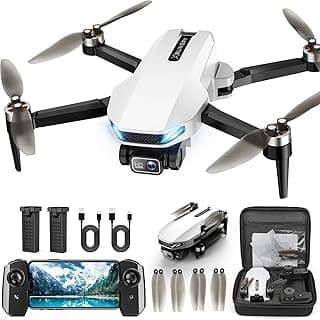
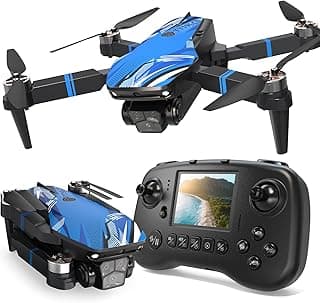
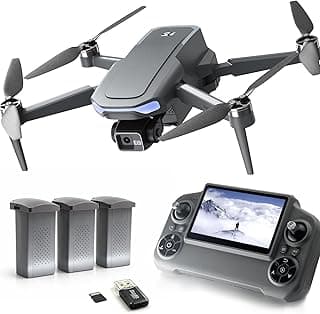
When you ask what is someone that loves technology, the answer often lies in their appreciation for low-latency feedback loops. A delay of even 200 milliseconds can be the difference between a successful flight and a catastrophic collision. Therefore, gifting a drone with a dedicated remote controller—rather than one that relies solely on a smartphone app—is always the superior engineering choice. Dedicated controllers often feature high-gain antennas and integrated processors specifically tuned to decode the incoming video stream with minimal lag.
Mechanical Stability and Gifting for Long-Term Use
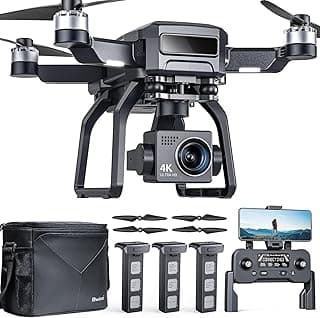
Stability is not just about the software; it is a matter of mechanical engineering. A drone capable of providing the best drones with live video feed experience must possess a multi-axis mechanical gimbal. Electronic Image Stabilization (EIS), while common in smartphones, often fails to compensate for the high-frequency vibrations of brushless motors or the erratic tilts caused by crosswinds. A 3-axis gimbal physically isolates the camera from the drone's body, ensuring that the live feed remains level and cinematic regardless of the aircraft's pitch or roll. This is especially important when considering best gift ideas for teens, who may be more prone to aggressive maneuvers while learning the ropes of flight.
The BIFL (Buy It For Life) Perspective: Repairability and Modular Design
From a mechanical engineer's perspective, the "hidden cost" of a drone gift is its serviceability. Consumer drones are subject to high-velocity impacts and electrical stress. We recommend choosing models that feature modular components. Can the propellers be swapped without specialized tools? Is the camera assembly replaceable? A gift that becomes a paperweight after a minor crash is a poor investment. High-quality manufacturers provide access to third-party replacement parts and detailed repair manuals. Furthermore, the longevity of the drone is tied directly to its battery chemistry. Intelligent Flight Batteries, which automatically discharge to a "storage level" when not in use, prevent the chemical degradation and swelling common in standard Lithium-Polymer cells.
Comparing Live Feed Technologies
To assist in your selection, the following table compares the typical technical variables found in various tiers of drones suitable for gifting. Note that "advertised range" often refers to ideal conditions, whereas "operational range" is what the user will actually experience in real-world scenarios.
| Feature Category | Entry-Level (Hobbyist) | Mid-Range (Prosumer) | High-End (Professional) |
|---|---|---|---|
| Transmission Method | Standard Wi-Fi (High Latency) | Proprietary Digital Link | OcuSync / Enterprise Links |
| Video Feed Resolution | 720p / 15-20 fps | 1080p / 30 fps | 1080p or 4K / 60 fps |
| Gimbal Type | 1-Axis or Electronic Only | 3-Axis Mechanical | 3-Axis with Active Tracking |
| Primary Use Case | Backyard Recreation | Vlogging and Travel | Commercial Surveying / Cinema |
Tailoring the Gift to the Recipient
Not every drone user has the same requirements. For instance, a best travel drone must prioritize weight (ideally under 249 grams to avoid certain registration requirements) and folding mechanisms, but it cannot sacrifice the live feed quality. A traveler needs to see clearly what they are filming in bright sunlight, which means the live feed must have a high bitrate to avoid pixelation in complex textures like ocean waves or forest canopies. Conversely, if you are looking for a best-professional-drone, the focus shifts toward redundancy—dual-frequency transmission and obstacle sensing in all directions.
When you are trying to figure out how to come up with good gift ideas, consider the environment where the drone will be used. If the recipient lives in a windy coastal area, motor power and GPS stability are paramount. If they are interested in indoor racing, then the best drones with live video feed might actually be an FPV "whoop" style drone, which uses analog signals for near-zero latency, even if the image quality is lower than digital alternatives.
Maintenance and Operational Integrity
To ensure the gift provides years of service, the recipient should be educated on "pre-flight" hygiene. This includes checking motor bells for hair or debris and ensuring firmware is updated to maintain the integrity of the encrypted video link. From an engineering standpoint, heat is the enemy of the internal Image Signal Processor (ISP). Drones that incorporate active cooling fans or large heat sinks are far less likely to suffer from signal dropouts during long flights in warm climates. If the recipient intends to capture high-resolution footage while viewing the live feed, suggest they also look into a best 4k drone that supports high-speed UHS-I U3 microSD cards to prevent data bottlenecks.
Frequently Asked Questions (FAQ)
Does a live video feed drone require an internet connection?
No, a live video feed is typically transmitted via a direct radio frequency link between the aircraft and the remote controller, meaning no Wi-Fi or cellular data is required for flight. The drone acts as its own transmitter, and the controller (or connected smartphone) acts as the receiver, allowing for operation in remote areas without internet access.
Can I see the live feed in direct sunlight?
Yes, but visibility depends on the peak brightness of the screen being used, measured in nits. Standard smartphones often struggle in midday sun; therefore, we recommend gifting a "sun hood" or choosing a remote controller with a built-in high-brightness display (1000+ nits) for optimal outdoor viewing.
What happens to the live feed if the drone goes out of range?
If the signal is lost, most modern drones will initiate a "Fail-Safe Return to Home" (RTH) procedure. The video feed will likely freeze or turn to static first, but the drone's internal GPS will automatically guide it back to its takeoff point. Users should always calibrate their compass and set a safe RTH altitude before every flight to prevent mid-air collisions during automated returns.
In conclusion, the best drones with live video feed represent a pinnacle of modern consumer engineering. By focusing on transmission stability, mechanical gimbals, and modular repairability, you can provide a gift that is not only a source of immediate wonder but a durable tool for exploration and creativity.