

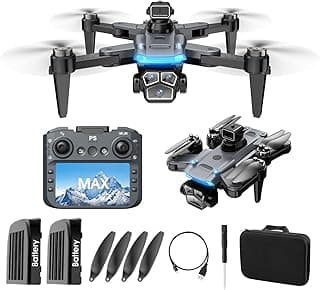
The Engineering Reality of Portability: Weight vs. Physics
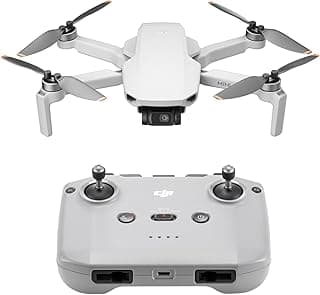
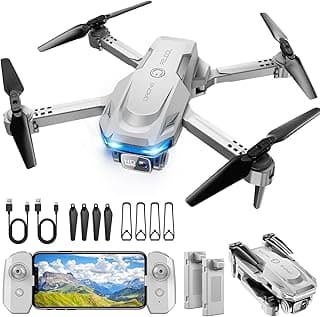
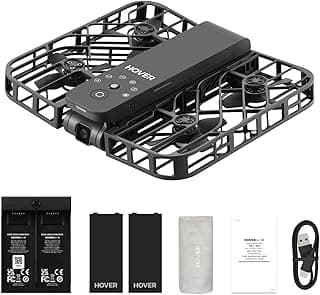
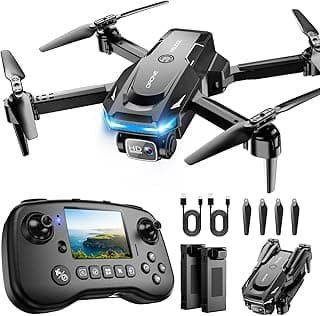
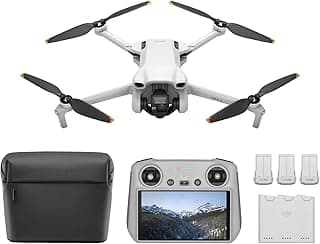
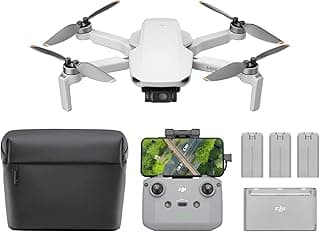
In the world of aeronautics, weight is the enemy of efficiency. For the traveler, weight is also the enemy of legislation. Most global aviation authorities have established the 249-gram threshold as the dividing line between a recreational device and one requiring federal registration. When searching for the best travel drone, this specific mass becomes critical. A drone under this limit often bypasses strict regulatory hurdles in many countries, making it one of the most practical gifts for my best friend who enjoys international backpacking.
However, skepticism is required here. A lighter frame is more susceptible to "prop wash" and wind buffeting. A lightweight drone with a high-drag profile will struggle to maintain a stable hover in coastal winds, leading to blurred long-exposure shots. To counter this, elite models utilize brushless motors with high torque-to-weight ratios and sophisticated IMU (Inertial Measurement Unit) sensors that calculate thousands of micro-adjustments per second. If the recipient is what is someone that loves technology, they will appreciate a machine that prioritizes these invisible internal stabilization algorithms over external aesthetics.
Optical Integrity and Sensor Selection
The core value of any best aerial photography drone lies in its sensor's ability to handle high dynamic range (HDR) scenes. Traveling often involves filming during "Golden Hour," where the contrast between a bright sky and dark landscape can overwhelm cheap hardware. While budget drones use small 1/2.3-inch sensors, premium travel-friendly options have migrated toward 1-inch or even Four Thirds sensors.
It is important to educate the recipient: megapixels are a secondary metric. The physical size of the individual pixels (pixel pitch) determines how much light can be captured without introducing digital noise. A 12MP sensor with large pixels will consistently outperform a 48MP mobile-sized sensor in low-light travel conditions. Furthermore, look for drones that offer a mechanical shutter or adjustable aperture, features typically found on a best professional drone, as these allow for precise control over motion blur and depth of field.
Comparative Analysis of Drone Classes
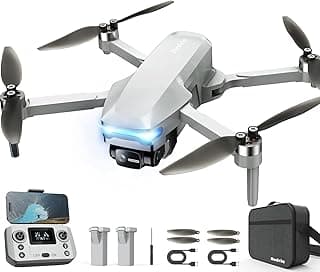
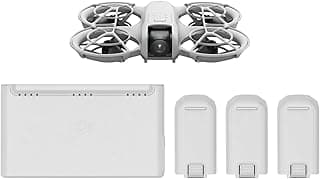
To help you determine how to come up with good gift ideas in the drone category, the following table compares the three primary tiers of travel drones based on technical variables rather than brand names.
| Technical Variable | Ultra-Light Class | Advanced Compact | Professional Travel |
|---|---|---|---|
| Weight Class | < 250g | 500g - 900g | 900g+ |
| Maximum Flight Time | ~30-34 mins | ~40-46 mins | ~40 mins |
| Sensor Size | 1/1.3-inch CMOS | 1-inch CMOS | Micro Four Thirds |
| Wind Resistance | Level 5 (Up to 10.5 m/s) | Level 6 (Up to 12 m/s) | Level 7+ (Heavy Gusts) |
| Primary Use Case | Casual travel, Vlogging | Semi-pro landscapes | Commercial filmmaking |
The "Buy It For Life" Philosophy in Drone Gifting
Drones are inherently depreciating assets, but certain design philosophies ensure a longer lifespan. When evaluating the best travel drone, one must consider the modularity of the components. Can the propellers be replaced without proprietary tools? Is the gimbal protected by a robust cover during transport? More importantly, consider the "Hidden Costs" of ownership, such as battery degradation. Lithium-Polymer (LiPo) batteries are volatile and lose capacity over time. A drone that uses "Smart Flight" batteries—which automatically discharge to a storage voltage when not in use—will significantly outlast a system that requires manual maintenance of cell levels.
Avoid drones that cannot be disassembled or those that lack third-party replacement parts. A drone that suffers a minor "prop-strike" should not become electronic waste. High-quality manufacturers provide detailed service manuals and accessible replacement arms, motors, and camera modules. This focus on repairability makes drones excellent best gift ideas for teens who are interested in learning about robotics and mechanical maintenance while they fly.
Transmission Stability and Safety Features
A travel drone is only as good as its connection to the pilot. Most consumer-grade drones use 2.4GHz or 5.8GHz radio frequencies. However, the best travel drone will utilize a proprietary "OcuSync" or similar frequency-hopping technology. This is vital in crowded urban areas where Wi-Fi interference can cause the video feed to lag or disconnect entirely. A robust best quadcopter drone should maintain a crisp 1080p live feed even miles away from the controller.
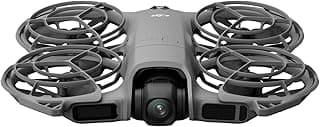
Safety is the final technical pillar. Omnidirectional obstacle avoidance is no longer a luxury; it is a necessity for those traveling in unfamiliar environments like dense forests or narrow European alleys. Systems that utilize vision sensors on all six sides of the aircraft create a 3D map of the surroundings, allowing the drone to bypass obstacles autonomously rather than simply stopping in front of them.
Frequently Asked Questions (FAQ)
Is a drone a good gift for someone who isn't tech-savvy?
Yes, provided the drone features high-level autonomous flight modes and reliable GPS return-to-home functions. Modern drones have "headless modes" and obstacle sensors that make the learning curve incredibly shallow. However, avoid "racing" or FPV (First Person View) drones for beginners, as these require manual throttle control and lack the self-stabilizing features found in standard camera drones.
Does a travel drone require a special phone or tablet to operate?
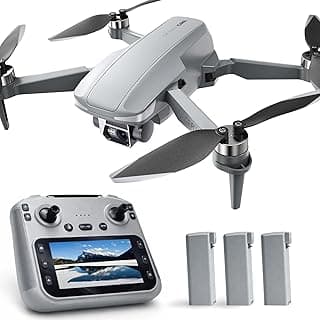
In most cases, yes, the drone's remote controller requires a smartphone with a specific app installed to view the camera feed. You should verify that the recipient's phone has a sufficiently powerful processor (usually found in mid-to-high-range smartphones released in the last three years) and a bright screen (above 800 nits) for visibility in direct sunlight. Some premium controllers now feature built-in screens, eliminating the need for a secondary device.
How many batteries should I include in a drone gift set?
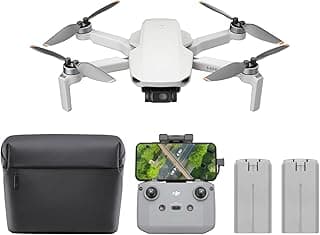
Three batteries are the industry-standard recommendation for travel. While a single battery might claim 30 minutes of flight, real-world conditions (wind, aggressive maneuvering, and safety buffers) usually result in 20-22 minutes of actual filming time. Having three batteries allows the user to rotate their flight time, charging one while using another, ensuring they don't miss key moments during their trip.
Can travel drones be flown in the rain?
No, most consumer drones are not water-resistant or waterproof. The cooling vents required to prevent the motors and internal processors from overheating allow moisture to enter the circuitry, leading to immediate short-circuits. If the recipient travels to tropical or rainy climates, you must warn them that flying in even light drizzle is a risk that can void warranties and destroy the device.