
The Technical Foundations of Aerial Performance
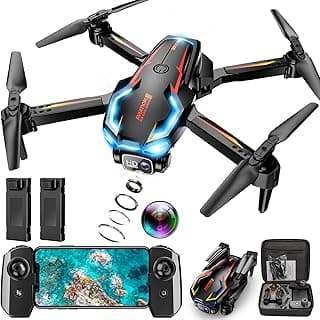
In the search for the best flying drone, the distinction between brushed and brushless motors is the first technical hurdle. Budget-tier models often utilize brushed motors, which rely on physical contact to transfer electricity, leading to inevitable friction, heat, and a lifespan rarely exceeding 50 flight hours. Conversely, premium models utilize brushless motors. These systems use electronic controllers to switch the magnetic field, resulting in higher torque-to-weight ratios and significantly longer operational lives. For a gift to be truly sustainable, verifying the inclusion of brushless technology is non-negotiable.
Furthermore, flight stability is governed by the Internal Measurement Unit (IMU) and Global Navigation Satellite System (GNSS) integration. A drone that only utilizes GPS may struggle in "urban canyons" where signal bouncing occurs. The most reliable units combine GPS, GLONASS, and Galileo satellites to ensure a stable hover even in moderate wind conditions. This technical redundancy is what separates a frustrating user experience from a seamless one, especially for those still learning how to come up with good gift ideas for tech enthusiasts.
Gifting tech is about more than specifications; it is about upgrading the recipient's window to the digital world, ensuring every frame is a testament to quality.
Optical Engineering: Beyond Megapixel Myths
Consumer marketing often obsesses over megapixel counts, yet in the realm of aerial photography, sensor size and bit depth are the true metrics of quality. A 48MP sensor with a tiny 1/2.3-inch footprint will often produce noisier images in low light than a 12MP sensor with a 1-inch footprint. When evaluating the best 4k drone for a creative professional or a family member, look for the physical dimensions of the CMOS sensor. A larger sensor allows for a higher dynamic range, preserving details in both the highlights of the sky and the shadows of the landscape.
Mechanical stabilization via a 3-axis gimbal is another critical component. Electronic Image Stabilization (EIS) can crop the frame and introduce artifacts, whereas a mechanical gimbal uses high-speed servos to physically counteract the drone's tilt and vibration. For anyone looking for the best aerial photography drone, a 3-axis mechanical gimbal is the industry standard for achieving "cinematic" fluidity.
Empathy in Design: Catering to Diverse Recipients
The "standard" drone user is a myth. Different recipients face unique challenges that the gift-giver must anticipate:
- The Young Enthusiast: For teenagers, durability and safety are paramount. Integrated prop guards and robust obstacle avoidance sensors (upward, downward, and omnidirectional) help mitigate the steep learning curve. These features make drones one of the best gift ideas for teens with a penchant for robotics.
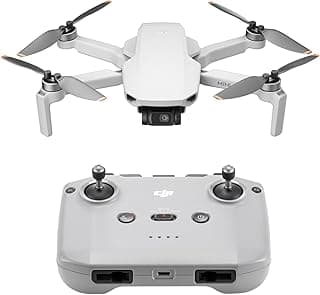
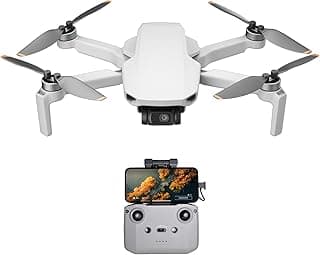
- The Frequent Traveler: Weight is the primary constraint here. Units under 250 grams often bypass strict registration requirements in many jurisdictions, making them the ultimate tool for mobile creators.
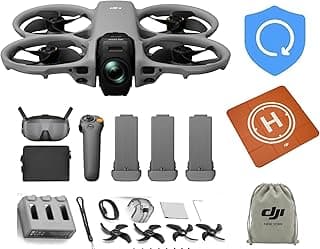
- The Professional Hobbyist: This user requires the best quadcopter drone with modular components. They likely have an interest in FPV (First Person View) flying, where low-latency transmission systems are more important than automated flight modes. They are often what is someone that loves technology at its most granular level.
Buy It For Life (BIFL): Sustainability and Repairability
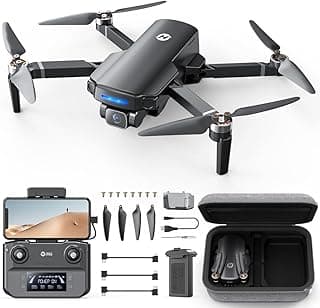
Drones are high-energy devices that exist in a state of "controlled falling." Crashes are a matter of "when," not "if." A critical error in many gift purchases is selecting a proprietary, sealed unit that must be shipped to a manufacturer for even basic repairs. The BIFL philosophy suggests prioritizing brands that offer readily available third-party replacement parts, such as propeller blades, motor arms, and landing gear.
Battery maintenance is another hidden cost. Lithium Polymer (LiPo) batteries are volatile and degrade if stored at full charge for extended periods. Premium drones now feature "intelligent" batteries that automatically discharge to a safe storage voltage after a period of inactivity. While these units are more expensive upfront, they prevent the swelling and capacity loss that plague best affordable drones within the first six months of ownership.
Comparative Analysis of Flight Variables
To assist in the decision-making process, the following table compares key technical variables across different tiers of the best flying drone market:
| Feature | Entry-Level (Recreational) | Mid-Range (Prosumer) | Professional (Cinematic) |
|---|---|---|---|
| Motor Type | Brushed or Entry Brushless | High-Efficiency Brushless | Industrial Grade Brushless |
| Sensor Size | 1/2.3-inch CMOS | 1/1.3-inch to 1-inch CMOS | Full Frame or Micro 4/3 |
| Stabilization | EIS or 2-Axis Gimbal | 3-Axis Mechanical Gimbal | 3-Axis with Proportional Control |
| Max Wind Resistance | Level 3 (up to 12 mph) | Level 5 (up to 24 mph) | Level 7+ (30+ mph) |
| Transmission Range | 2km (Wi-Fi based) | 10km - 12km (OcuSync/Similar) | 15km+ with Redundant Links |
Addressing the Practicalities of Ownership
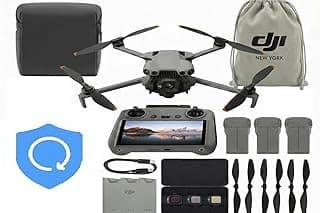
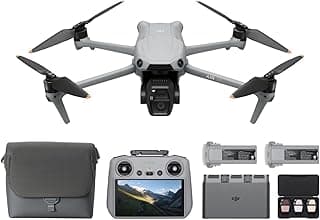
When presenting a drone as a gift, it is helpful to consider the recipient's lifestyle. For a male recipient who enjoys outdoor gadgets, drones are frequently cited among the best gift ideas for him, but only if the ecosystem is complete. This includes high-speed microSD cards (U3/V30 rated) capable of handling 4K data streams and a dedicated carrying case that protects the sensitive gimbal during transport.
Frequently Asked Questions
Is a 4K camera necessary for a beginner?
Yes, but not for the reasons you might think. While 1080p is sufficient for viewing, 4K resolution provides the "cropping headroom" necessary to stabilize footage in post-production or reframe a shot without losing significant detail, making the learning process more forgiving.
Are drones difficult to fly in windy conditions?
Not if they possess adequate power-to-weight ratios and GNSS stabilization. Modern prosumer drones can maintain a precise hover in Level 5 winds (approx. 20 mph), though battery life will decrease significantly as the motors work harder to maintain position.
What is the most common cause of drone failure?
Pilot error during "Return to Home" (RTH) sequences is the leading cause. Many users fail to set an RTH altitude that is higher than the tallest local obstacle (trees or power lines), causing the drone to fly directly into an object while attempting to land automatically.
In conclusion, the best flying drone is one that balances high-spec optical hardware with robust, repairable flight systems. By focusing on sensor physics, motor longevity, and the recipient's specific environment, you ensure that your gift provides lasting value and a safe introduction to the world of aerial exploration.