




The Psychology of Support: Understanding the Recipient's Needs
When an individual is recovering, their primary resources, namely time and energy, are directed toward physiological healing. A common mistake is providing gifts that require maintenance, such as fresh flowers that need water changes or plants that require specific care. These can inadvertently create "gift guilt," where the recipient feels obligated to care for the item while they are physically unable to care for themselves. Instead, the focus should be on items that enhance comfort or provide low-effort entertainment.
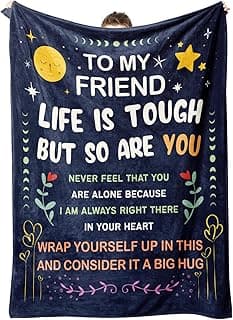
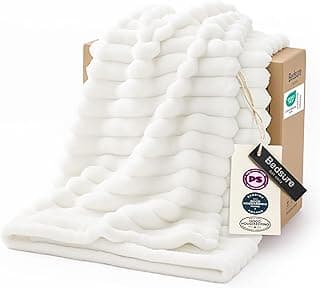
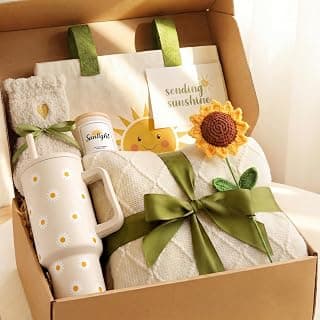
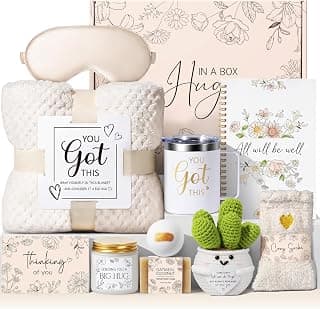
For instance, when considering best gift ideas for a woman who is bedbound, items that regulate body temperature or improve ergonomic support are logically superior to decorative trinkets. Behavioral studies suggest that tactile comfort, such as soft fabrics, can lower cortisol levels, which is a critical factor in the healing process. Selecting the best get well gifts means choosing utility over aesthetic flair.
The most effective recovery support often addresses the loss of autonomy rather than the physical ailment itself, providing tools that help the individual regain a sense of comfort in their immediate environment.
Material Value vs. Emotional Value: A Logical Analysis
The debate between material and emotional value is particularly sharp in the context of recovery. A high-priced item does not always translate to high support. Reddit communities focused on practical living often highlight that the best gestures are those that provide "passive support." This refers to items or services that solve a problem without requiring the recipient to interact with the giver or the gift constantly.
| Gift Type | Material Value (Cost-based) | Emotional Value (Support-based) | Maintenance Level |
|---|---|---|---|
| Fresh Flowers | Medium to High | Initial boost, then fades | High (water, disposal) |
| Streaming Subscriptions | Low | High (distraction/entertainment) | Zero |
| Ergonomic Comfort Items | Medium | High (physical relief) | Zero |
| Meal Delivery Service | High | Extremely High (removes chore) | Low (reheating) |
The table above illustrates that items with high emotional value and low maintenance levels are the most effective. If you are wondering how to come up with good gift ideas, start by identifying a daily friction point for the recovering individual and eliminate it. This approach shifts the focus from the price tag to the psychological impact of the gesture.
Best Get Well Gifts for Physical Comfort
Recovery often involves prolonged periods of sitting or lying down. This leads to issues such as joint stiffness, poor circulation, and temperature fluctuations. Logical gift choices include high-quality loungewear or footwear. For men, best home slippers for men provide essential grip and warmth, preventing slips and keeping the extremities comfortable without the need for complex adjustments.
Furthermore, the environment plays a significant role in recovery. If the recipient is confined to a specific room, the quality of their furniture becomes paramount. Research into home ergonomics suggests that best comfy chairs can significantly improve the quality of rest by distributing body weight more evenly, thus preventing pressure sores and secondary discomfort. When a person is ill, the physical world shrinks to the size of their room, making these environmental upgrades highly valuable.
Enhancing the Cognitive Environment
Boredom is a significant hurdle during long-term recovery. However, high-intensity entertainment might be too taxing for someone with limited mental energy. Low-effort cognitive engagement is key. This could be in the form of audiobooks, simple puzzles, or improved visual access to media. If the recipient spends hours on a laptop or tablet, their eyes may experience strain, which can lead to headaches and further fatigue.
To mitigate this, one might consider best blue light blocking glasses brands to protect their circadian rhythm while they utilize digital devices. For those who enjoy reading but struggle with traditional screen glare, best-reading-glasses-for-computer-work can facilitate a more comfortable experience. These are practical, evidence-based tools that improve the daily life of a patient without demanding anything in return.
Reddit communities emphasize that the best support is low-maintenance support, focusing on gifts that do not require the recipient to perform 'thank you' labor immediately.
Relationship Dynamics and Gift Selection
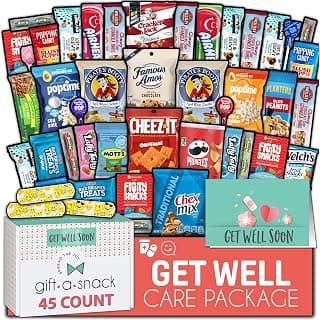
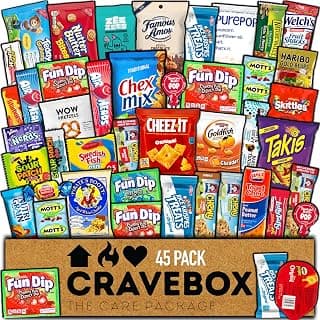
The nature of your relationship with the recipient dictates the boundaries of the gift. For a casual acquaintance or a colleague, a gift that is too personal might cause discomfort. In these cases, best thank you gifts for friends often serve as a good template, leaning toward neutral but high-quality items like premium teas or non-perishable snack baskets.
For closer relationships, you have the latitude to be more specific. You might ask yourself, what is a good experiential gift for someone who cannot leave the house? The answer lies in digital experiences, such as a premium movie rental or a virtual museum tour. This provides the "experience" of the outside world while respecting their physical limitations. For those considering significant financial gestures, the question of Is $1000 a good birthday gift? often arises, but in a recovery context, such a large sum might feel overwhelming. It is often better to use a smaller portion of that budget for targeted, practical needs.
Direct Answer Framework: Frequently Asked Questions
Is it better to send flowers or a practical gift?
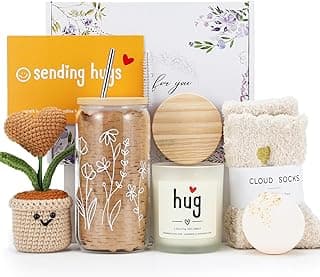
A practical gift is generally superior to flowers because it addresses specific recovery needs and requires no maintenance from the recipient. Flowers, while aesthetically pleasing, have a short lifespan and require the recipient to manage water levels and eventual disposal, which can be burdensome during illness. Practical items like blankets, meal vouchers, or ergonomic tools provide long-term utility and signal a deeper understanding of the recipient's daily challenges.
Should I visit the recipient when I deliver the gift?
No, you should not assume a visit is welcome unless explicitly invited. Illness and recovery often involve a loss of privacy and a diminished desire for social interaction due to fatigue or physical appearance. The most respectful approach is to send the gift via a delivery service or leave it at the door with a brief message. This allows the recipient to engage with the gift on their own timeline without the pressure of hosting a guest.
How much should I spend on the best get well gifts?
The cost is secondary to the utility and thoughtfulness of the item. There is no set financial rule, as the value is derived from how well the gift solves a problem for the patient. A $20 subscription that provides hundreds of hours of distraction can be more valuable than a $200 decorative item that sits on a shelf. Focus on the gap in the recipient's current comfort or entertainment and spend according to what is required to fill that gap effectively.
Final Considerations for Gifting Success
The best get well gifts are those that disappear into the recipient's life, providing support without drawing attention to the giver's effort. By focusing on psychological comfort, physical utility, and low-maintenance engagement, you provide a gesture that truly aids in the healing process. Whether it is a pair of high-quality slippers or a simple digital subscription, the goal remains the same: to make the difficult road to recovery just a little smoother through logical, structured, and empathetic selection.