



Psychological Profiles and the Tea Recipient
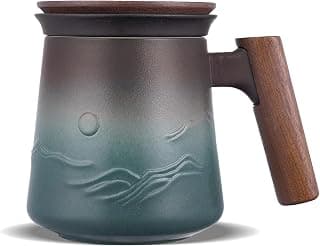
To determine the most appropriate gift, we must first categorize the recipient's relationship with the craft. Behavioral science suggests that tea drinkers often fall into two primary categories: the Ritualist and the Functionalist. The Ritualist views tea as a meditative pause in their schedule, prioritizing the tactile experience of the porcelain and the visual evolution of the leaves. For these individuals, items that enhance the atmosphere of the room are essential. When researching best gift ideas for a woman who values mindfulness, a high-fire ceramic set provides the necessary thermal mass and haptic feedback to satisfy the ritualistic need.
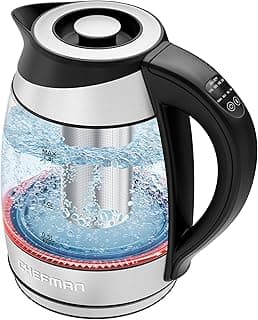
Conversely, the Functionalist seeks the physiological benefits of tea, such as the focused alertness provided by L-theanine. Their requirements center on efficiency and consistency. For this profile, a temperature-controlled electric kettle or a precision steeping timer is more valuable than a decorative tray. Interestingly, many tea lovers find that their sessions occur during periods of deep focus. In such cases, providing tools that reduce eye strain, such as best blue blocker glasses, can indirectly enhance the tea-drinking experience by creating a more comfortable environment for prolonged reading or work while sipping.
The value of a tea-related gift is found in its ability to facilitate a transition from the chaos of daily life to a state of controlled, sensory focus.
Technical Comparison: Loose Leaf vs. Tea Bag Systems
A logical analysis of tea gifting must address the fundamental delivery system. The following table compares the technical variables associated with loose leaf tea versus bagged tea to help you decide which path aligns with your recipient's expertise.
| Variable | Loose Leaf Tea Systems | Commercial Tea Bags |
|---|---|---|
| Flavor Extraction | High: Large surface area allows for full expansion and complex oil release. | Low to Moderate: Fannings and dust offer quick color but limited depth. |
| Control Precision | High: Allows for multiple infusions and precise weight-to-water ratios. | Low: Fixed weight and grade; usually designed for a single steep. |
| Environmental Impact | Minimal: Compostable leaves with no secondary packaging or microplastics. | Variable: Many bags contain polypropylene or nylon sealants. |
| Required Hardware | Specific: Requires infusers, strainers, or traditional Gaiwans. | Minimal: Requires only a cup and hot water. |
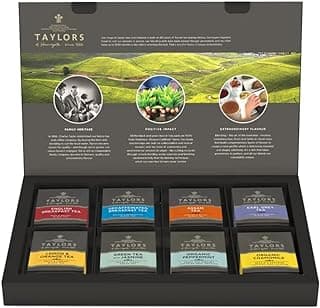
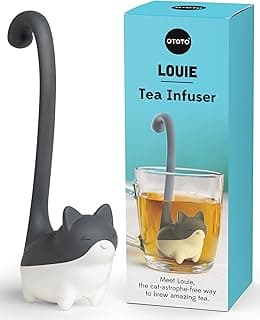
For those looking for the best gifts for tea lovers who are just beginning their journey, a high-quality stainless steel infuser with extra-fine mesh is an objective upgrade over standard tea bags. This allows the recipient to explore the vast world of oolongs and pu-erhs without the restrictive barriers of paper filters.
Material Science in Tea Hardware
The materials used in tea accessories are not chosen by chance; they are selected based on their thermal conductivity and chemical stability. Borosilicate glass is favored for its resistance to thermal shock and its non-porous nature, which ensures that flavors from a previous session do not contaminate the current one. This transparency also allows the user to monitor the color of the liquor, which is a vital indicator of steep time. This level of precision is often found in the habits of professionals who might also use a best alarm clock amazon to ensure they do not over-steep their delicate green teas during a busy morning.
Porcelain, specifically bone china or high-fired stoneware, offers a different advantage. Its ability to retain heat while remaining cool to the touch makes it the standard for formal service. When considering how to come up with good gift ideas, one should analyze the thermal requirements of the tea the recipient prefers. For example, black teas and herbal tisanes require higher temperatures (approximately 100 degrees Celsius), making thick-walled ceramic or cast iron the logical choice. Conversely, delicate white teas (steeped at 70 to 75 degrees Celsius) are better suited for thin-walled porcelain or glass.
True connoisseurship in tea is the mastery of variables: water chemistry, temperature, and time. The gift should be a tool that masters one of these.
Emotional Value versus Material Value
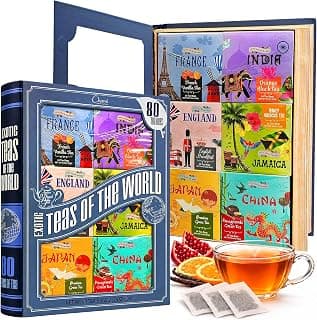
In the professional gifting community, we distinguish between material value (the retail price of the item) and emotional value (the utility and sentimental weight the item carries). A generic tea sampler from a grocery store has low emotional value because it lacks personalization and quality. However, a curated selection of single-origin teas, accompanied by a handwritten note explaining the terroir of each, has high emotional value.
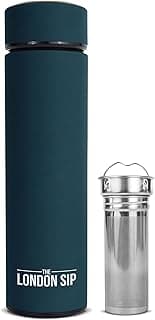
Reddit communities dedicated to tea and minimalism often highlight that "less is more." A single, well-crafted handmade Yunomi cup is often preferred over a 20-piece mass-produced tea set that clutters the kitchen. The emotional value of the gift increases when the giver demonstrates an understanding of the recipient's space and lifestyle. If the recipient spends a significant amount of time at their desk, perhaps providing best computer reading glasses alongside a high-quality tea tumbler shows a holistic concern for their well-being and daily comfort.
Furthermore, tea gifts often serve as bridges in professional and social relationships. For instance, when debating best gift ideas for housewarming, a premium tea selection is a neutral yet sophisticated choice that symbolizes hospitality and warmth without imposing a specific aesthetic on the new home. It is a gift of "time" and "peace," which are highly valued in modern society.
Direct Answer Framework: Frequently Asked Questions
Is tea a suitable option when considering what is a nice client gift?
Yes. Tea is a highly effective professional gift because it is generally health-conscious, shelf-stable, and culturally inclusive. Unlike alcohol, which may carry religious or personal restrictions, high-quality tea is universally accepted across most corporate environments. It signals a level of sophistication and attention to detail, especially if the tea is sourced from reputable estates with clear ethical certifications.
What is the best way to gift tea to someone who has everything?
Focus on rarity and experience rather than physical hardware. A rare, aged Pu-erh cake or a limited-edition harvest of First Flush Darjeeling provides a unique sensory experience that cannot be duplicated or easily found in retail stores. This approach prioritizes the "experience" of the tea over the accumulation of more "stuff," which is a common preference among high-net-worth individuals or minimalist tea enthusiasts.
Can tea accessories be considered a good gift for someone moving into a new house?
Absolutely. While people often think of appliances, tea-related items are excellent when looking for what is a nice client gift or a housewarming present. A tea set facilitates the first act of hospitality in a new home: offering a guest a drink. It transforms a house into a home by establishing a sense of routine and comfort from the very first day.
The most enduring gifts are those that integrate seamlessly into the recipient's daily rhythm, improving the quality of their most quiet moments.
In conclusion, the best gifts for tea lovers are those that respect the science of brewing while honoring the emotional weight of the ritual. By selecting high-quality materials, focusing on technical utility, and considering the recipient's specific psychological profile, you can provide a gift that transcends the material and becomes a cherished part of their daily life.








