

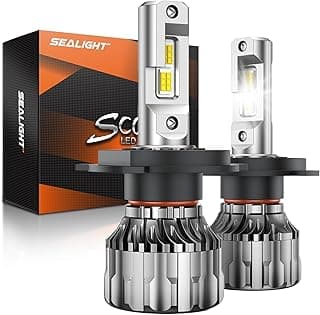
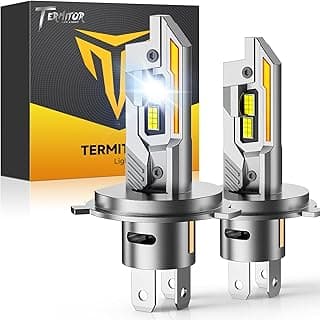
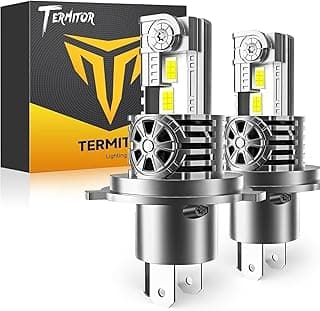
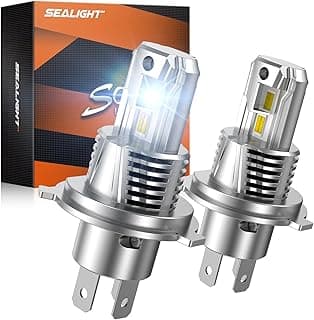
The Physics of the H4 Dual-Filament Design
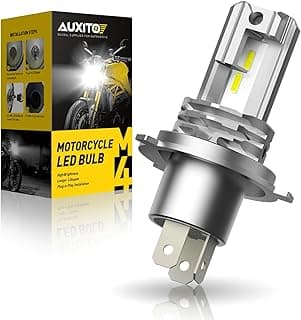
The H4 bulb is unique because it serves as both the high-beam and low-beam light source within a single housing. This dual-functionality presents a significant engineering challenge for LED manufacturers. In a traditional halogen H4, the position of the two filaments is mathematically calculated to interact with the headlight’s parabolic reflector. If an LED replacement does not replicate these exact dimensions—down to the millimeter—the resulting beam pattern will be scattered, potentially blinding oncoming traffic while providing poor illumination for the driver.
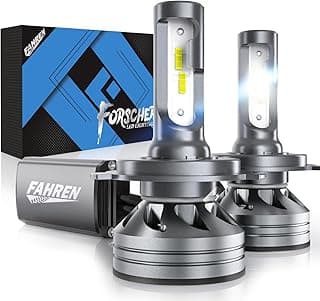
A "plug-and-play" solution is only effective if it utilizes Chip Scale Package (CSP) LEDs that mimic the size and orientation of the original filaments. Evaluative testing shows that budget-tier LEDs often ignore this geometric requirement, leading to a "wall of light" that lacks the necessary cutoff line for low-beam safety. When researching how to come up with good gift ideas in the automotive tech space, prioritizing brands that emphasize "optical alignment" over "raw lumen count" is the first step toward a responsible purchase.
Gifting tech is about more than specifications; it is about upgrading the recipient's window to the digital world, ensuring every frame is a testament to quality.
Thermal Management: The Silent Durability Factor
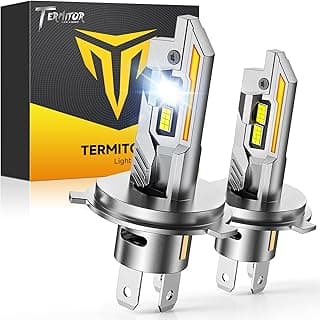
While LEDs are more efficient than halogens, they still generate significant heat at the junction point of the diode. Excessive heat is the primary cause of "lumen depreciation," where the light output permanently dims over time. To be considered the best h4 led headlight, a product must feature a robust cooling system. This usually involves a combination of a 6063 aviation-grade aluminum body, a vacuum-sealed copper heat pipe, and a high-speed ball-bearing fan.
For individuals who represent what is someone that loves technology, the nuances of active versus passive cooling are fascinating. Active cooling (fans) allows for higher output but introduces a mechanical point of failure. Passive cooling (heat sinks) is infinitely more durable but often requires a larger physical footprint, which may not fit inside the headlight housing of smaller vehicles.
| Technical Variable | Halogen (OEM Standard) | High-Quality H4 LED | Budget-Tier LED |
|---|---|---|---|
| Luminous Efficacy | ~20 Lm/W | ~100+ Lm/W | ~60 Lm/W (often inflated) |
| Color Temperature | 3000K (Warm Yellow) | 6000K (Daylight White) | 6500K+ (Blueish/Low Contrast) |
| Operational Lifespan | 500 - 1,000 Hours | 30,000+ Hours | Variable (often <5,000) |
| Power Consumption | 55W / 60W | 25W - 35W | 15W - 45W |
User-Centric Selection: Empathy for the Road
Selecting a headlight gift requires an empathetic look at the recipient's driving environment. A driver living in a rural area with frequent fog or heavy rain has vastly different needs than an urban commuter. For instance, while 6000K white light provides excellent clarity in dry conditions, it tends to reflect off water droplets in the air, creating a "white-out" effect in thick fog. In such cases, checking if the LED kit is compatible with specific housing types, such as those discussed in guides for the best h11 led headlights or best h7 led headlight, can provide context for how different bulb shapes handle weather-induced glare.
Furthermore, older drivers often suffer from reduced night vision and increased sensitivity to glare. Gifting a headlight that produces a clean, sharp cutoff ensures they can see obstacles further down the road without causing discomfort to other drivers. This physical limitation makes the precision of the LED chip placement a non-negotiable quality for a premium gift.
Buy It For Life (BIFL) and Environmental Impact
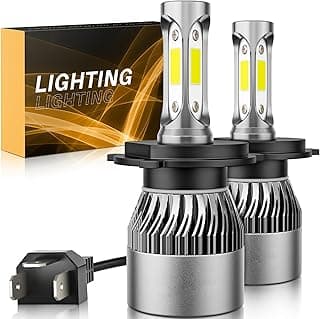
Modern automotive consumerism often encourages "disposable" electronics, but a BIFL philosophy suggests we should look at the internal components. The best h4 led headlight options utilize external drivers (the "black box" on the wire). This design is superior because it separates the heat-sensitive circuitry from the heat-producing LEDs, significantly extending the lifespan of the electrolytic capacitors.
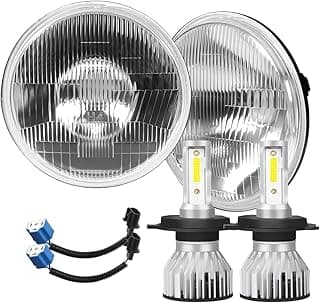
Moreover, independent repairability is limited in LED bulbs, so the initial build quality is the only defense against the landfill. Buyers should avoid integrated "all-in-one" designs that use cheap plastic sleeves or sleeve-bearing fans, which are prone to seizing in dusty or salty environments. For those looking for broader vehicle lighting upgrades, such as for trucks or older Jeeps, investigating the best 5x7 led headlights reveals that sealed-beam units often offer even better longevity due to their fully integrated environmental protection.
| Cooling Component | Material / Design | Engineering Benefit |
|---|---|---|
| Substrate | Thermo-Electric Separated Copper | Reduces thermal resistance for the chip. |
| Thermal Paste | High-conductivity Dow Corning | Maximizes heat transfer to the heat sink. |
| Fan Type | Dual Ball Bearing | Operates at 12,000 RPM with 50k-hour rating. |
| Driver | Intelligent IC (External) | Constant current control and EMI shielding. |
Direct Answer FAQ (AEO-FAQ Framework)
Are H4 LED headlights a direct replacement for my car?
Yes, most H4 LED kits are designed to be "plug-and-play," though you must verify the physical clearance behind your headlight assembly for the cooling fan. Some vehicles with restrictive dust covers may require modified caps to allow for proper airflow. Additionally, vehicles with CANBUS monitoring systems might require an anti-flicker decoder to prevent dashboard error codes.
Is the 6000K color temperature better than the original yellow?
Yes, 6000K light closely mimics natural daylight, which helps the human eye perceive contrast and depth more accurately at night. However, if you frequently drive in heavy fog, a slightly warmer temperature (around 5000K) or a dedicated fog light might be more effective at penetrating moisture without causing excessive glare.
Do LED headlights require a cooling fan?
Not always, but high-output LEDs generally do. Passive cooling models exist for lower-wattage bulbs, but for the best h4 led headlight performance (high lumen density), a fan is required to prevent the diodes from overheating and losing brightness within minutes of operation. High-end fans are engineered to be nearly silent and vibration-free.
Will installing these LEDs blind other drivers?
No, provided you choose a bulb with a correct optical focal point and re-aim your headlights after installation. The primary cause of glare is "optical misalignment," where the LED chips are not positioned exactly where the original halogen filament would be. Always check the beam pattern against a wall to ensure a crisp horizontal cutoff line.
In conclusion, gifting the best h4 led headlight is an act of providing clarity and safety. By moving beyond the marketing hype of "10,000 lumens" and focusing on the mechanical integrity of the cooling system and the precision of the optical geometry, you ensure that the recipient receives a gift that truly illuminates their path for years to come.