
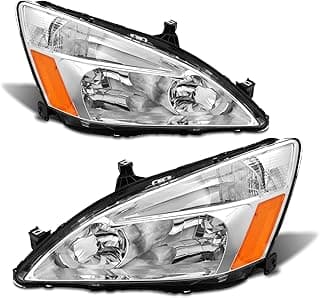
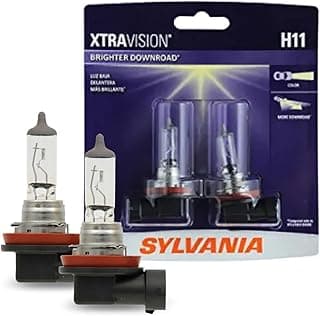
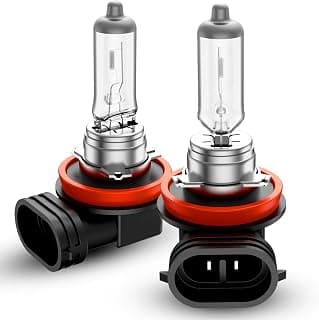
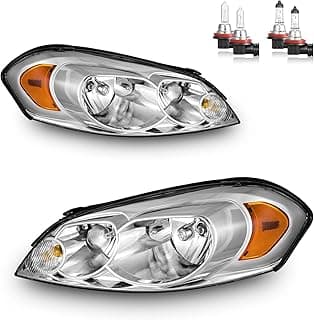
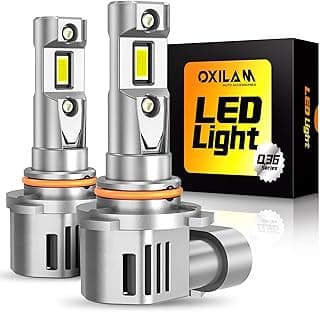
The Engineering of Visibility: Beyond Simple Brightness
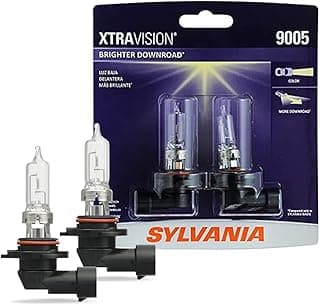
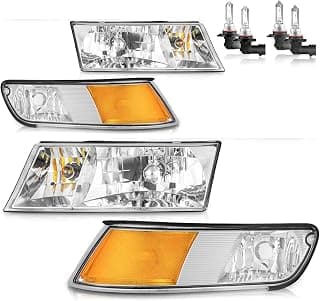
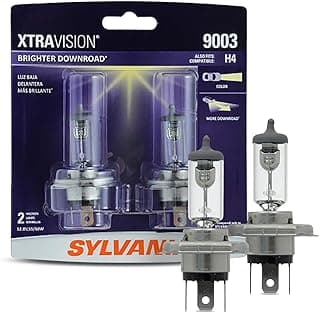
From a mechanical engineering perspective, a headlight is not merely a bulb; it is a complex optical system consisting of a light source, a reflector or projector lens, and a clear housing. The transition from traditional filaments to Light Emitting Diodes (LED) and High-Intensity Discharge (HID) systems has revolutionized how we illuminate the road. However, "brighter" does not always equate to "safer." If the light is not focused correctly, it creates "scatter," which blinds oncoming drivers while failing to illuminate the road surface where it is needed most.
Gifting automotive tech is about more than specifications; it is about upgrading the recipient's safety and confidence, ensuring every mile driven at night is supported by reliable, high-performance engineering.
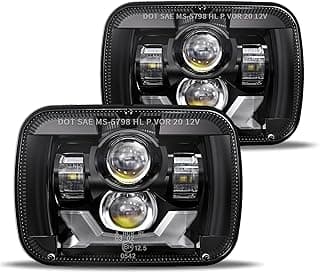
When you are looking for how to come up with good gift ideas, consider the environment where the recipient drives. A city dweller may benefit from a crisp, 6000K white light that mimics daylight, whereas a rural driver might prioritize "throw"—the distance the beam travels—to spot wildlife or road debris from a distance. High-quality systems like best rated led headlights focus on the beam pattern cut-off, ensuring that the light remains below the eye level of other motorists.
User-Centric Empathy: Matching Lights to the Driver
Choosing the right lighting requires empathy for the recipient’s daily life. A parent of a new driver might prioritize the widest possible beam to compensate for a lack of peripheral experience. Conversely, when considering what to gift for your fathers birthday, safety is paramount. Older drivers often experience a reduction in contrast sensitivity and increased sensitivity to glare. Upgrading an elderly parent's vehicle with high-quality best h11 led headlights can provide a more uniform light distribution that reduces eye strain and helps them distinguish road markings more clearly.
Furthermore, different vehicles present unique challenges. A truck used for off-roading or construction requires a vibration-resistant housing and a robust cooling system to prevent premature failure. Meanwhile, a compact commuter car needs a design that integrates seamlessly with existing electronics without triggering "bulb out" error codes on the dashboard.
Comparison of Automotive Lighting Technologies
To help you decide which technology is suitable as a gift, we have compared the three primary types of automotive lighting currently available on the market.
| Variable | Halogen (Traditional) | HID (Xenon) | LED (Solid State) |
|---|---|---|---|
| Luminous Efficacy | Low (15-20 lm/W) | High (60-100 lm/W) | Extreme (100+ lm/W) |
| Lifespan (Hours) | 500 – 1,000 | 2,000 – 4,000 | 30,000 – 50,000 |
| Color Temperature | Warm Yellow (~3000K) | Cool White/Blue (4k-8k) | Daylight White (5k-6k) |
| Thermal Management | Radiates heat forward | High operating temp | Requires rear heat sinks/fans |
The "Buy It For Life" Philosophy: Durability and Hidden Costs
A gift that fails after six months is a burden, not a benefit. In the automotive world, the hidden cost of "budget" headlights is often the failure of the cooling fan or the degradation of the diode due to poor heat dissipation. LED chips are extremely sensitive to heat; if the housing does not utilize aviation-grade aluminum or a high-speed ball-bearing fan, the brightness will diminish within the first year of use. This is known as "lumen depreciation."
When selecting a gift, avoid "no-name" brands found on discount marketplaces. Instead, look for modular designs where the driver (the electronic component) is separate from the bulb itself. This allows for better heat management and, in some cases, easier repair if a component fails. A truly durable set of headlights should be rated IP68 for water and dust resistance, ensuring that moisture cannot enter the vehicle's electrical system, which could lead to thousands of dollars in hidden repair costs.
Beyond the Car: Versatile Lighting Gifts
If the recipient spends significant time outdoors or works on their own vehicle, consider supplementing their car headlights with other lighting tools. For those who enjoy night hiking or emergency preparedness, the best rechargeable headlight serves as an excellent companion gift. While car headlights illuminate the path ahead, a wearable light provides hands-free visibility for changing a tire or navigating a campsite.
Quality lighting is an investment in human safety, transforming the anxiety of night driving into a controlled, visible environment.
Frequently Asked Questions
Is it legal to put LED bulbs in my car?
The answer depends on your local jurisdiction and the type of housing your car uses. In many regions, replacing a halogen bulb with an LED in a reflector housing is technically for "off-road use only" because the light scatter can be dangerous. Always check for DOT or SAE certification on the packaging to ensure the gift is street-legal.
Do LED headlights require a cooling fan?
Yes, most high-output LED headlights require active cooling (a fan) or passive cooling (large copper heat sinks) because the back of the bulb generates significant heat. Without proper thermal management, the LED will overheat and burn out prematurely, making the cooling mechanism a vital feature of the best headlights for cars.
Can I install these myself as a gift?
Generally, yes, as most modern kits are "plug-and-play." However, some luxury vehicles with complex computer systems may require a CANBUS adapter to prevent dashboard flicker or error codes. It is always recommended to verify the vehicle's bulb size (e.g., H11, 9006, H7) before purchasing.
In conclusion, when you choose to gift automotive lighting, you are providing a fundamental upgrade to the recipient's daily life. By focusing on technical reliability, optical precision, and long-term durability, you ensure that your gift remains a beacon of safety on the road for years to come.