
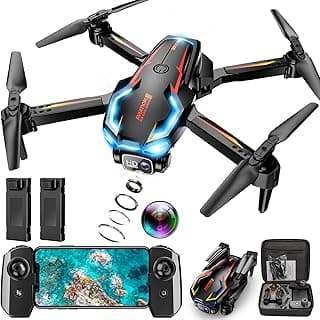
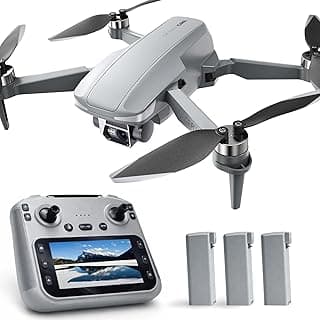
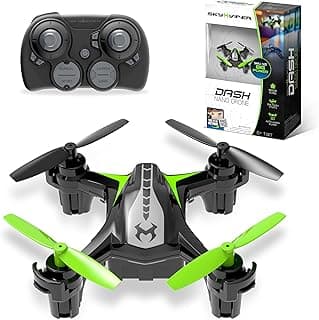
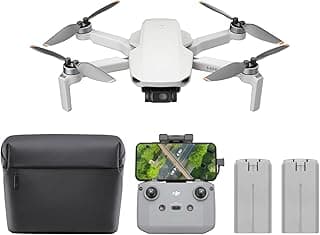
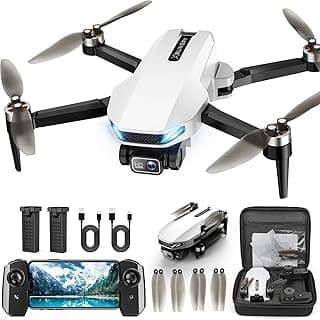
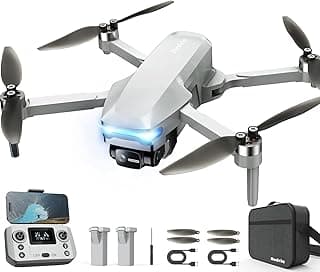
The Engineering Standards of a Quality Hobby Drone
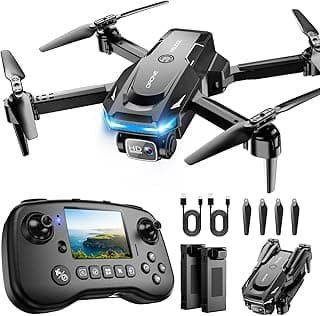
When assessing the technical integrity of a drone, the motor architecture is the most critical variable for longevity. Entry-level models often utilize "brushed" motors, which rely on physical contact to transfer electricity, leading to friction-induced heat and eventual mechanical failure. In contrast, any device worth gifting should feature brushless motors. These utilize magnets to rotate the casing, significantly reducing wear and allowing for higher RPMs and greater wind resistance. If you are researching how to come up with good gift ideas for someone who values precision, focusing on these internal components is paramount.
Furthermore, flight stability is no longer just about pilot skill; it is about sensor redundancy. A high-quality hobbyist unit will integrate GPS/GLONASS positioning, downward-facing vision sensors, and an Internal Measurement Unit (IMU). This allows the machine to maintain a static hover even in moderate gusts, preventing the "drift" that leads to accidents in cheaper models. For those wondering what is someone that loves technology called, they are often "early adopters" who appreciate the invisible software safety nets that make modern flight possible.
Gifting tech is about more than specifications; it is about upgrading the recipient's window to the digital world, ensuring every frame is a testament to quality.
Analyzing Gifting Personas and Physical Constraints
A "one size fits all" approach to drones ignores the reality of the recipient’s environment and physical capabilities. A mechanical engineer would analyze the gift through three distinct lenses of user empathy:
The Urban Minimalist and Traveler
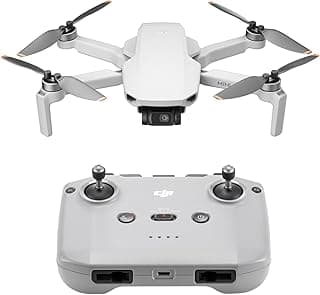
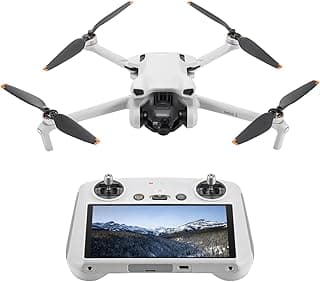
For individuals living in densely populated areas or those who travel frequently, weight is the primary constraint. Drones weighing under 250 grams are often exempt from the more stringent registration requirements in many jurisdictions. These sub-240g machines have revolutionized the best starter drones category by packing high-resolution sensors into palm-sized frames. These are ideal for best gift ideas for teens who may lack the patience for complex regulatory paperwork but possess the digital dexterity for agile flight.
The Aspiring Aerial Cinematographer
If the recipient is an enthusiast of photography or filmmaking, the focus shifts to the gimbal and sensor size. A two-axis gimbal is insufficient; only a mechanical three-axis gimbal can physically counteract the pitch, roll, and yaw of the aircraft to produce "cinematic" fluid motion. In this tier, one should specifically look for the best 4k drone options that offer high bitrates (100Mbps or higher), ensuring that the recorded data is not lost to compression artifacts during post-processing.
The Milestone Gift Recipient
Significant life events require more substantial hardware. If you are seeking to what to buy first time dad for birthday, a drone offers a unique way for a new parent to capture family memories from a perspective previously reserved for professional film crews. For a more mature recipient, such as a partner or a parent, consider the best gift ideas for him that emphasize ease of use, such as "Return to Home" (RTH) features that trigger automatically when the battery is low or the signal is lost.
Technical Comparison of Hobbyist Drone Variables
The following table provides a breakdown of technical variables that separate a "toy" from a professional-grade hobbyist instrument. This structured data is designed to help you avoid the common pitfalls of under-specced hardware.
| Technical Variable | Entry-Level (Budget) | Advanced Hobbyist (BIFL) | Primary Impact on User |
|---|---|---|---|
| Motor Type | Brushed (High Wear) | Brushless (Low Wear) | Longevity and Wind Resistance |
| Gimbal Stabilization | Digital/Electronic (EIS) | Mechanical 3-Axis | Video Smoothness and Image Clarity |
| Battery Chemistry | Proprietary LiPo (Basic) | Intelligent Flight Battery | Self-discharge safety/BMS monitoring |
| Transmission System | Standard Wi-Fi (Short Range) | OcuSync/Lightbridge (Long Range) | Signal Reliability and Feed Latency |
The "Buy It For Life" (BIFL) Philosophy in UAVs
The hidden cost of drone ownership is often found in the repairability and battery maintenance. Most "department store" drones are designed with unibody shells that cannot be disassembled, meaning a single cracked arm renders the entire device e-waste. When selecting the best quadcopter drone, prioritize brands that offer modular replacement parts—specifically propellers, landing gear, and gimbal protectors.
Battery chemistry is another area of concern. Lithium Polymer (LiPo) batteries are volatile and degrade if stored at a full charge for extended periods. Premium hobbyist drones use "Intelligent Flight Batteries" with built-in Battery Management Systems (BMS) that automatically discharge the cells to a safe "storage voltage" after a few days of inactivity. This prevents swelling and ensures the best affordable drones stay affordable by not requiring a $100 battery replacement every six months.
Direct Answer FAQ Framework (AEO)
Is it legal to fly a hobby drone anywhere?
No, drone flight is strictly regulated by national aviation authorities (like the FAA in the US or EASA in Europe), and flying near airports, military installations, or over large crowds is generally prohibited without specific permits. Always check local "No Fly Zone" maps before gifting, as some urban areas have city-wide bans that might limit the recipient's ability to use the gift locally.
How long do hobby drone batteries actually last?
While manufacturers often claim flight times of 30 to 40 minutes, real-world usage typically yields 20 to 28 minutes of active flight. Environmental factors such as high winds, cold temperatures (which reduce chemical activity in the battery), and aggressive flight maneuvers will significantly decrease these durations. It is highly recommended to gift a "Fly More" style bundle that includes at least three batteries to ensure a satisfying session.
Do I need to be a pilot to fly a modern hobby drone?
No, current flight controllers are incredibly intuitive, featuring "headless mode" (where the drone moves relative to the pilot rather than its own front) and automated obstacle avoidance. However, a basic understanding of aerodynamics and safety protocols is necessary to prevent accidents. Most high-end hobbyist models include a "Cine" or "Tripod" mode that slows the drone's movements, making it nearly impossible for a beginner to lose control.
In conclusion, the best hobby drone is one that balances technical sophistication with the recipient's specific lifestyle. By moving away from hyper-marketed gadgets and toward modular, brushless systems with intelligent battery management, you are not just giving a gift; you are providing a durable entry point into a rewarding technological hobby.