
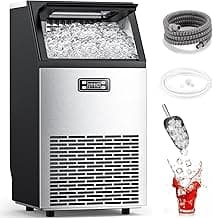
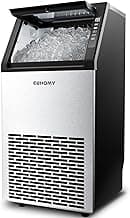
The Engineering Behind Crystal Clear Cubes
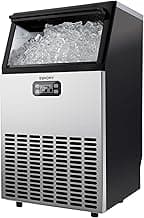
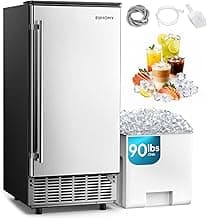
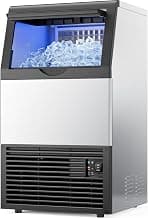
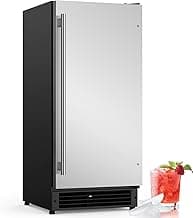
The primary differentiator between a standard freezer-integrated ice maker and the best ice maker undercounter is the freezing process itself. Standard freezers trap air and impurities, resulting in cloudy, fast-melting "white ice." In contrast, premium undercounter units utilize directional freezing or "gourmet" spray technology. In these systems, water is continuously circulated over a chilled evaporator plate. Only the pure water molecules freeze first, allowing minerals and air bubbles to be washed away before the final harvest. This results in the "top hat" or "clear cube" shape highly coveted by mixologists.
From a mechanical perspective, the efficiency of this process depends heavily on the compressor's ability to maintain stable temperatures despite the unit being enclosed in cabinetry. A best built in ice maker must feature front-breathing ventilation. Without this specific airflow design, heat will accumulate behind the unit, causing the compressor to cycle more frequently, leading to premature component failure and increased energy consumption. When considering how to come up with good gift ideas for a homeowner, the technical compatibility of the appliance with their existing kitchen layout is the first hurdle of expert-level gifting.
Gifting tech is about more than specifications; it is about upgrading the recipient's window to the digital world, ensuring every frame is a testament to quality.
Analyzing Durability: The BIFL (Buy It For Life) Perspective
A frequent critique within the Reddit repair community involves the "disposable" nature of modern budget appliances. To find the best ice maker undercounter that genuinely lasts, one must scrutinize the material of the evaporator plate. Nickel-plated evaporators are common in the mid-range market but are susceptible to pitting and peeling over time due to the acidity of cleaning solutions. Expert-grade units often utilize stainless steel evaporators, which offer superior resistance to corrosion and mineral buildup. These units are often viewed as the what is a good executive gift because they symbolize longevity and robust performance.
Furthermore, the "Hidden Costs" of ownership are often ignored during the initial purchase. A dedicated ice maker is a high-maintenance machine. Because it involves both water and electricity in a cold environment, scale buildup is inevitable. A unit that is designed to be disassembled easily for deep cleaning is far superior to one with a "sealed" design. Prospective buyers should prioritize models with accessible water filters and clear indicators for descaling cycles. Neglecting these maintenance tasks can lead to a 50% reduction in harvest efficiency within the first two years of operation.
Comparison of Undercounter Ice Maker Specifications
To help you distinguish between various high-performance models, the following table breaks down the critical variables that define the user experience.
| Feature Category | Gourmet/Clear Ice Units | Nugget/Sonic Ice Units | Crescent Ice Units |
|---|---|---|---|
| Daily Production | 25 - 65 lbs | 30 - 90 lbs | 20 - 25 lbs |
| Drainage Requirement | Gravity or Drain Pump | Gravity or Drain Pump | No Drain (Usually Manual) |
| Noise Level (Decibels) | 45 - 55 dB | 50 - 60 dB | 40 - 50 dB |
| Primary Use Case | Premium Cocktails & Spirits | Soft Drinks & Smoothies | General Purpose Bulk Use |
Multi-dimensional User Empathy: Choosing the Right Match
The "best" machine is entirely dependent on the recipient's lifestyle and physical environment. For the professional host, the best clear ice maker for home bar is the gold standard. These individuals value the aesthetic of the cube and the way it preserves the integrity of a high-end bourbon by melting slowly. However, if the gift is intended for a large family with children, a "nugget ice" machine—often referred to as "the good ice"—may be more appropriate due to its chewable texture and high production volume.
A critical, often overlooked factor is the physical limitation of the installation site. For example, the elderly or those with limited mobility may find gravity-drain units difficult to maintain if the drain line is not perfectly positioned. In such cases, a unit with a built-in condensate pump is a mandatory requirement to prevent flooding and ensure hassle-free operation. This level of detail makes an appliance one of the best gift ideas for housewarming because it anticipates and solves potential logistical headaches for the new homeowner.
Mechanical Considerations: Gravity vs. Pump Drains
One of the most common reasons for the return of high-end ice makers is the misunderstanding of drainage systems. The best ice maker undercounter models that produce clear ice do not keep the ice in a refrigerated bin; rather, they use a highly insulated bin where the ice slowly melts to be replaced by fresh cubes. This melting water must go somewhere. If the unit is located near a floor drain, a gravity drain is sufficient. However, if the water must travel horizontally or upward to a sink drain, a pump is required. An integrated pump adds to the mechanical complexity and noise of the unit but offers unparalleled flexibility in placement, making it a staple in any best bar ice maker discussion.
Frequently Asked Questions (FAQ)
Is an undercounter ice maker worth the high price tag?
Yes, provided the user prioritizes ice quality and hosting frequency over basic utility. Undercounter units offer a dedicated thermal environment and filtration system that a standard freezer cannot replicate, ensuring that beverages are not tainted by the "freezer taste" of surrounding food items.
Do undercounter ice makers require a water line?
Yes, all permanent undercounter units require a dedicated 1/4-inch water line and a drainage solution. Unlike portable countertop models, these units are plumbed-in appliances that function similarly to a dishwasher or a refrigerator's water dispenser.
How often should I clean a built-in ice machine?
Every six months is the minimum requirement for a professional-grade cleaning. In areas with "hard" water (high mineral content), this frequency should be increased to every three months to prevent the calcification of the evaporator plate and the clogging of the distribution tubes.
Can I install an undercounter ice maker myself?
No, professional installation is strongly recommended. Because these units involve both pressurized water lines and drainage (potentially requiring a pump), improper installation can lead to catastrophic water damage within the kitchen cabinetry that may not be covered by standard warranties.
Ultimately, gifting the best ice maker undercounter is about more than just a luxury item; it is about providing the recipient with the tools to create memorable experiences. By focusing on mechanical durability, repairability, and the specific needs of the host, you ensure that your gift remains a centerpiece of the home for years to come.