
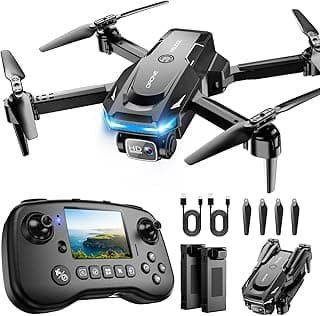
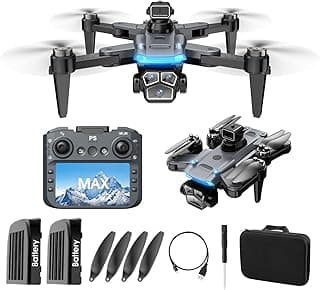
The Physics of Aerial Imaging: Why Sensor Size is Non-Negotiable
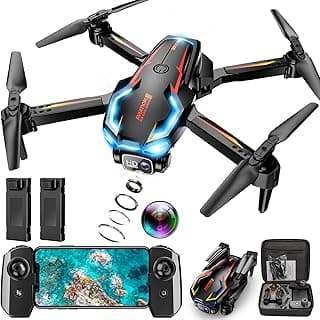
When evaluating the best photo drone, the most critical specification is the physical size of the camera sensor. Marketing materials often boast about "megapixel counts," but in the world of independent product testing, we know that high megapixel counts on a tiny sensor lead to digital noise and poor low-light performance. A drone equipped with a 1-inch CMOS sensor will consistently outperform a 1/2.3-inch sensor, regardless of resolution, because larger pixels capture more photons, resulting in a superior dynamic range.
For those searching for best birthday gift ideas for a photography enthusiast, look for systems that offer RAW image support. Unlike compressed JPEGs, RAW files contain the unprocessed data from the sensor, allowing the recipient to adjust exposure and color in post-processing without degrading the image. This level of control is what separates a high-end imaging tool from a basic best quadcopter drone designed for flight-only enjoyment.
Gifting tech is about more than specifications; it is about upgrading the recipient's window to the digital world, ensuring every frame is a testament to quality.
Segmenting the User: Empathy in Gift Selection
A gift only provides value if it fits the recipient's lifestyle. Our testing process identifies three distinct personas that require different technical approaches:
1. The Global Traveler and Hiker
For the wanderer, weight is the primary constraint. Drones weighing under 250 grams are often exempt from certain registration requirements in various jurisdictions, making them a "frictionless" gift. However, lightweight drones are more susceptible to wind buffeting. To compensate, ensure the gift features a high-bitrate transmission system, often found in a best travel drone, which maintains a clear live feed even in remote areas.
2. The Aspiring Cinematographer
If the recipient is what is someone that loves technology, they will likely demand a best 4k drone with a high frame rate (60fps or higher). Frame rate matters because it allows for "slow-motion" aerial shots, which smooth out any minor flight tremors and add a professional, cinematic feel to the footage. Obstacle avoidance sensors—ideally omnidirectional—are mandatory here to protect the investment from high-speed collisions.
3. The Creative Hobbyist
Some users enjoy the intersection of physical craft and digital art. These individuals might appreciate other creative tools like the best 3d printer pen for physical modeling, but in the air, they want a drone that can perform automated "QuickShots." These pre-programmed flight paths, like "Rocket" or "Dronie," allow someone without expert pilot skills to capture complex, professional-looking images instantly.
Comparative Analysis of Aerial Imaging Systems
To help you grasp the technical trade-offs, the following table compares key variables across typical drone tiers:
| Feature | Entry-Level Hobbyist | Prosumer Enthusiast | Professional Grade |
|---|---|---|---|
| Sensor Size | 1/2.3-inch CMOS | 1-inch CMOS | Micro Four Thirds (MFT) |
| Stabilization | 2-Axis Gimbal | 3-Axis Mechanical | 3-Axis + Digital EIS |
| Obstacle Sensing | Downward Only | Tri-Directional | Omnidirectional (360) |
| Weight Class | < 249g | 500g - 900g | > 900g |
The "Buy It For Life" Philosophy and Hidden Costs
From a mechanical engineering perspective, drones are "consumable" high-tech items. The lithium-polymer (LiPo) batteries used in these machines have a finite lifecycle, typically degrading after 200 to 300 charge cycles. When choosing the best photo drone, consider the availability of replacement parts. A modular system where the user can easily swap out damaged propellers or purchase third-party ND filters is far superior to a closed, unrepairable unit.
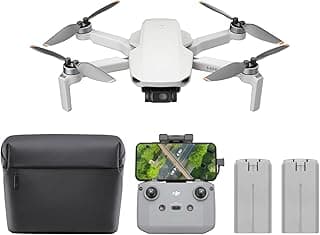
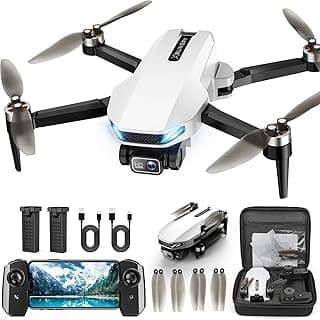
Furthermore, consider the "hidden costs" of gifting. A high-resolution drone is useless without a high-speed V30 micro-SD card and a carrying case. If you are researching how to come up with good gift ideas, consider gifting a "Fly More" combo, which usually includes extra batteries. This significantly extends the creative session, as a single battery rarely provides more than 25 minutes of actual hovering time once safety margins are considered.
True value in an appliance or gadget is found not in the purchase price, but in the cost of operation and the ease of maintenance over five years of ownership.
Safety and Ethics: The Responsible Gift
Giving a drone is also giving a responsibility. Many modern drones include "Geofencing" software that prevents flight in restricted airspace, such as near airports. This is an essential safety feature for a best gift ideas for a woman or man who may be a first-time pilot. Ensuring the gift includes comprehensive flight tutorials and a "Return to Home" (RTH) function triggered by low battery is vital for preventing the "lost drone" syndrome common among beginners.
Frequently Asked Questions (FAQ)
Is a drone a good gift for someone with no photography experience?
Yes, provided the drone features high-level flight automation and obstacle avoidance. Most modern imaging drones are designed to hover with GPS precision, meaning the "pilot" can focus entirely on the camera shutter while the flight computer handles the aerodynamics. This makes it an accessible entry point for anyone looking to explore new perspectives.
How long do drone batteries actually last?
Expect approximately 20 to 30 minutes of actual flight time per battery under real-world conditions. While manufacturers claim 35+ minutes, these tests are often conducted in windless, laboratory environments; in practical use, fighting wind resistance and maintaining the video link consumes significantly more power, requiring a safe landing buffer of around 15% battery capacity.
Do I need a special license to fly a photo drone?
It depends on the weight of the drone and the country of operation. In many regions, drones under 250 grams do not require a pilot's license for recreational use, though some form of online registration or basic safety test is increasingly common. Always check local civil aviation regulations before your first flight to ensure the gift is enjoyed legally.
Can drones be used in cold weather?
Yes, but battery performance drops significantly in sub-zero temperatures. Chemical reactions within LiPo batteries slow down in the cold, leading to sudden voltage drops. Expert pilots recommend pre-warming batteries in a pocket or an insulated bag before flight to maintain sufficient power for takeoff and landing.
In conclusion, the search for the best photo drone is a journey through optics and aviation. By focusing on sensor size, flight safety, and long-term modularity, you ensure that your gift remains a relevant and powerful tool for years to come, capturing the world's beauty from a height that once required a helicopter.