
The Physics of Professional Aerial Imaging
The primary differentiator for any best pro drone is its sensor architecture. Professionals require a minimum of a 1-inch sensor to ensure that individual pixels are large enough to capture data in low-light conditions without introducing significant thermal noise. Larger sensors provide a shallow depth of field and superior dynamic range, allowing the recipient to recover details from both the brightest highlights and the deepest shadows in post-production. For those seeking the best aerial photography drone, the conversation must also include the mechanical shutter, which eliminates rolling shutter distortion—a critical factor when capturing fast-moving subjects from the air.
Gifting tech is about more than specifications; it is about upgrading the recipient's window to the digital world, ensuring every frame is a testament to quality.
Color science is another non-negotiable aspect. A pro-grade system typically offers 10-bit D-Log or HLG color profiles. These provide over a billion colors, compared to the 16.7 million found in standard 8-bit consumer drones. This technical headroom is essential for color grading and ensuring the final output matches the standards of professional film and television. It is the perfect centerpiece when considering best gift ideas for him if he is a dedicated content creator or a professional surveyor.
Mechanical Reliability and Flight Performance
An elite drone must be as much a triumph of physics as it is of optics. Professional systems utilize brushless motors with high-grade copper windings and rare-earth magnets, ensuring longevity and responsiveness. Unlike the brushed motors found in cheaper toys, these systems are designed for hundreds of hours of operation with minimal thermal degradation. Furthermore, wind resistance is a vital metric; a professional airframe should be rated for at least Level 5 or 6 winds, allowing the pilot to operate safely in coastal or mountainous regions where air currents are unpredictable.
The transmission system is the invisible cord that connects the pilot to the machine. Professional-grade drones employ dual-frequency or tri-frequency switching (e.g., 2.4GHz, 5.8GHz, and occasionally 1.4GHz) to ensure a stable HD video feed even in areas with high electromagnetic interference. This level of reliability is what categorizes these machines among the best quality drones currently available. When evaluating the best pro drone, ensure the transmission distance is backed by a robust anti-interference protocol, as losing a signal during a critical shot can result in both creative and financial loss.
Technical Comparison: Professional vs. High-End Consumer Drones
| Feature | Consumer-Grade Drone | Professional-Grade (Pro) Drone |
|---|---|---|
| Sensor Size | 1/2.3-inch or 1/1.3-inch | 1-inch, Micro 4/3, or Full Frame |
| Video Bitrate | 100 Mbps | 150 Mbps to 3.5 Gbps (ProRes) |
| Obstacle Avoidance | Dual-directional (Forward/Back) | Omnidirectional (360-degree) |
| Transmission Range | 4km - 6km | 12km - 15km+ with High Stability |
| Battery Chemistry | Standard LiPo | High-Density Intelligence Cells |
The "Buy It For Life" Philosophy in Drone Gifting
One must approach a drone purchase with a "Buy It For Life" (BIFL) mindset, acknowledging that while batteries and sensors eventually age, a modular and repairable airframe is superior to a disposable one. Many professional systems allow for the replacement of individual gimbal components or motor arms. Before finalizing your choice, research the availability of third-party replacement parts and the ease of firmware updates. A machine that cannot be disassembled for basic maintenance is a liability, especially when it represents a significant investment. This perspective is vital when trying to learn how to come up with good gift ideas that offer long-term value rather than short-term excitement.
The hidden costs of a best pro drone include proprietary battery ecosystems and the necessity of high-speed storage media. A drone that shoots in 5.4K or ProRes will quickly saturate standard SD cards; thus, the recipient will require V90 rated cards or internal SSDs. Additionally, professional LiPo (Lithium Polymer) batteries require careful management; they should be stored at 50% charge and monitored for swelling. Educating the gift recipient on these maintenance protocols is as important as the gift itself to ensure the machine’s longevity through many seasons, making it one of the most thoughtful best gifts for xmas for a tech enthusiast.
Operational Safety and Intelligence
Modern professional drones are equipped with sophisticated "Sense and Avoid" systems. Using a combination of binocular vision sensors and infrared TOF (Time of Flight) sensors, these machines build a real-time 3D map of their surroundings. This allows the drone to autonomously navigate through dense forests or complex architectural sites without pilot intervention. For anyone looking for the best 4k drone with professional safety features, omnidirectional obstacle sensing is a prerequisite. It provides a safety net that protects the expensive internal components and the high-end glass of the lens assembly.
High-end drones are the intersection of aeronautics and art; they require a pilot's discipline and a photographer's eye to truly unlock their potential.
Frequently Asked Questions About Professional Drones
Is a professional drone too difficult for a beginner to fly?
No, professional drones are often more stable and easier to fly than budget models because they utilize a vast array of sensors, GPS/GLONASS positioning, and downward-facing vision systems to maintain a static hover even without pilot input. However, the legal responsibilities and the complexity of the camera settings present a steeper learning curve.
Does the best pro drone require a license to operate?
Yes, in most jurisdictions, any drone used for commercial purposes or exceeding a certain weight (typically 250g) requires the pilot to pass a certification exam and register the aircraft. Even for hobbyist use, professional-grade machines often fall into weight categories that mandate registration and adherence to specific altitude and airspace restrictions.
How long do professional drone batteries actually last?
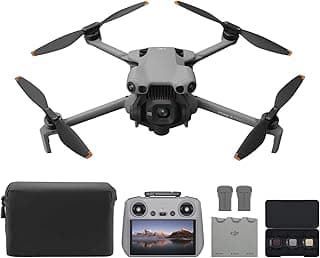
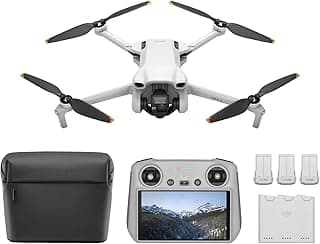
While marketing materials may claim 45 minutes, real-world flight times for a best pro drone are typically between 28 and 35 minutes. Factors such as wind resistance, aggressive maneuvering, and the power draw of high-resolution recording will significantly impact the total hover time. Always include a "Fly More" style kit with at least two extra batteries when gifting these units.
In conclusion, the best pro drone is a transformative gift that offers the recipient a new dimension of creative freedom. By focusing on sensor size, airframe stability, and repairability, you ensure that the gift remains a functional part of their toolkit for years to come. Whether they are capturing the grand scale of a landscape or the intricate details of an urban environment, a professional-grade drone is the ultimate expression of precision and possibility.