
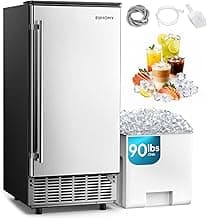
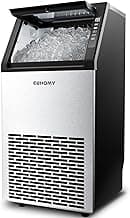
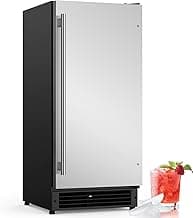
The Engineering Behind the Best Residential Ice Machine
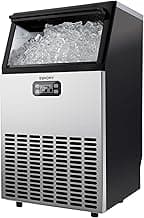
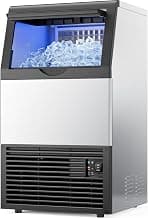
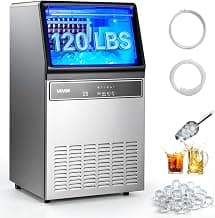
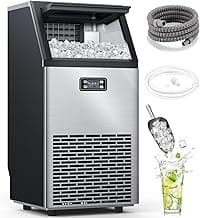
To evaluate a unit’s potential as a "buy it for life" (BIFL) gift, we must examine the internal architecture. High-end residential models typically utilize one of two primary cooling methods: air-cooled or water-cooled. For most domestic environments, air-cooled systems are the standard due to their lower installation complexity, though they require adequate ventilation to prevent compressor overheating. A machine’s performance is defined by its harvest cycle—the speed at which the evaporator plate reaches the necessary sub-zero temperatures to form ice and then utilizes a "hot gas" defrost to release the cubes. When choosing a gift, prioritizing a model with a stainless steel evaporator over a nickel-plated one ensures long-term resistance to pitting and corrosion, common issues found in budget-tier appliances.
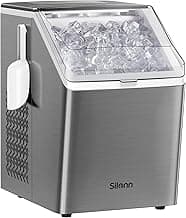
Furthermore, the best residential ice machine should be judged on its ability to produce specific ice morphologies. A "clear ice" system works by spraying water upward against a cold plate, allowing heavy minerals to fall away while only pure H2O molecules freeze. This results in a crystal-clear cube that melts slowly and does not dilute high-end spirits. For those looking for the best clear ice maker for a home bar, this technical distinction is paramount. Conversely, nugget ice—often referred to as "the good ice"—is created by scraping ice flakes off a chilled cylinder and compressing them into small, chewable pellets. This style is highly sought after by families and is often considered one of the best gift ideas for housewarming because of its universal appeal.
Gifting tech is about more than specifications; it is about upgrading the recipient's window to the digital world, ensuring every frame is a testament to quality.
User Empathy: Analyzing Living Conditions and Physical Limitations
A successful gift must integrate seamlessly into the recipient's daily life, which requires a multi-dimensional analysis of their living environment. In urban settings or small apartments, decibel ratings are the most critical variable. High-output compressors can generate significant vibration; therefore, selecting a machine with a noise-insulated cabinet and vibration-dampening feet is essential for maintaining household peace. For elderly recipients or those with limited hand mobility, the ergonomics of the ice bin and the weight of the scoop are vital considerations. A machine that requires a heavy manual reservoir refill may be inappropriate; instead, a model with a direct waterline connection and an easy-access gravity-drain system minimizes physical strain.
For individuals residing in areas with hard water, the maintenance requirements of the machine become a primary concern. The best residential ice machine in these contexts is one that features an automated "clean cycle" and accessible internal components. Without these features, mineral scaling will inevitably lead to pump failure within 18 to 24 months. If you are struggling with how to come up with good gift ideas for a tech-savvy friend, consider their tolerance for maintenance; some may enjoy the precision of a professional unit, while others require a "set it and forget it" solution.
Comparison of Technical Variables: Countertop vs. Under-counter Units
The following table outlines the physical and performance differences between the two most popular form factors for residential ice production. This data is essential for determining which configuration fits the recipient's space and usage patterns.
| Technical Variable | Portable Countertop Units | Built-in Under-counter Units |
|---|---|---|
| Daily Production Capacity | 20 - 30 lbs | 50 - 80 lbs |
| Cooling Mechanism | Thermoelectric or Small Compressor | Heavy-duty Hermetic Compressor |
| Drainage Requirement | None (Manual Recirculation) | Gravity Drain or Pump Required |
| Ice Type Consistency | "Bullet" ice (melts quickly) | Square, Gourmet, or Nugget |
| Expected Lifespan | 2 - 4 years | 8 - 12+ years (with service) |
The Hidden Costs and Repairability Philosophy
Expert communities, including repair technicians on platforms like Reddit, often warn against the "disposable appliance" trend. When selecting the best residential ice machine, one must account for the total cost of ownership (TCO). This includes periodic replacement of water filters, specialized descaling solutions, and the energy consumption of a machine that must run a refrigeration cycle 24/7. Built-in models, while more expensive upfront, offer far superior repairability. They are designed with modular components, meaning a failed water valve or a broken fan motor can be replaced by a technician without discarding the entire chassis.
In contrast, many countertop models are hermetically sealed and cannot be disassembled for service. While these may seem like a what is a good housewarming gift due to their lower price point, they often represent a long-term environmental burden. For a truly sustainable gift, look for brands that provide open-source access to part diagrams and have a verified network of local service providers. For those setting up a dedicated entertainment space, the best bar ice maker is the one that can be maintained for a decade, not just a few seasons.
Advanced Features for the Modern Recipient
Modern innovation has introduced smart connectivity to the world of ice production. Some of the most impressive gifts in this category now feature Wi-Fi integration, allowing users to schedule ice production via smartphone apps. This is particularly useful for weekend entertainers who want to ensure a full bin by Friday evening without wasting energy throughout the workweek. For enthusiasts of the famous "soft" ice, gifting the best countertop nugget ice maker provides the luxury of professional-quality ice without the need for extensive kitchen renovations.
Frequently Asked Questions (FAQ)
Is a residential ice machine worth the high price tag?
Yes, if the recipient frequently entertains or has specific health needs that require high-purity ice. While the upfront cost is higher than manual trays, the thermodynamic consistency and superior ice quality of a dedicated machine provide a level of convenience and sensory improvement that standard freezers cannot match.
Do these machines require a permanent plumbing connection?
It depends on the model. Portable countertop units do not require plumbing and are filled manually, whereas built-in under-counter models almost always require a dedicated water line and a drainage solution (either gravity-based or a condensate pump).
How often does a residential ice machine need to be cleaned?
Strictly speaking, a deep clean should occur every 3 to 6 months depending on local water hardness. Neglecting this leads to biofilm accumulation (slime) and mineral scale, which are the leading causes of premature compressor failure and unpleasant odors in the ice.
Can I install an under-counter ice machine myself?
No, professional installation is highly recommended for built-in units. Because these machines involve both pressurized water lines and drainage requirements, improper installation can lead to catastrophic floor damage from leaks or backups.
Ultimately, choosing the best residential ice machine is an exercise in balancing technical specifications with the recipient's lifestyle. By focusing on build quality, repairability, and the specific physics of ice production, you can provide a gift that serves as a cornerstone of their home for years to come.