
Understanding the Thermodynamics of Home Ice Production
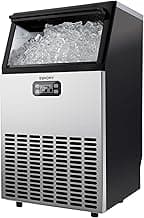
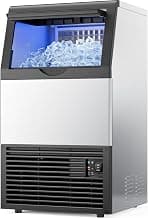
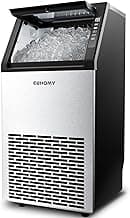
The distinction between a standard ice maker and professional-grade residential units lies in the freezing methodology. Most consumers are accustomed to "cloudy" ice, which results from water freezing from the outside in, trapping air and minerals in the center. In contrast, high-end systems often employ directional freezing or spray technology. This process ensures that impurities are washed away before the water hardens, resulting in crystal-clear cubes that melt slowly and do not alter the flavor profile of beverages. This makes them among the best gift ideas for housewarming for those who value the art of mixology.
Gifting tech is about more than specifications; it is about upgrading the recipient's window to the digital world, ensuring every frame is a testament to quality.
Evaluating User Needs: From Daily Hydration to Social Hosting
Choosing the best residential ice makers requires a deep understanding of the recipient's living environment and physical capabilities. A "one-size-fits-all" approach fails to account for the nuances of appliance integration. We categorize users into three primary segments based on their specific utility requirements:
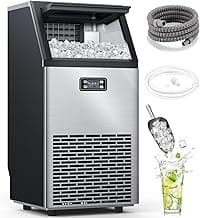
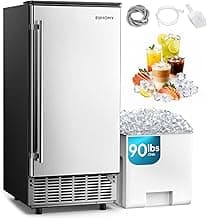
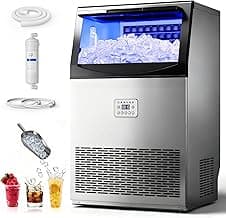
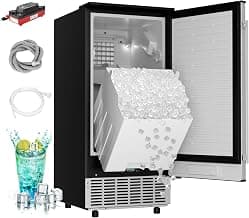
- The Social Host: These users prioritize "pounds per day" production. For someone who frequently hosts gatherings near their best outdoor pool furniture, a high-capacity under-counter unit with a built-in drain pump is essential to prevent overflow and ensure a steady supply of ice during peak hours.
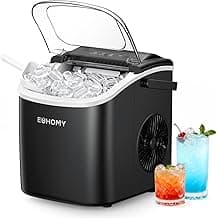
- The Wellness and "Crunchy Ice" Enthusiast: The popularity of "nugget" or "pebble" ice has transformed the market. These machines use an auger system to scrape ice flakes and compress them into small, chewable cylinders. For these users, the best countertop nugget ice maker provides a specific textural experience that standard cubes cannot replicate.
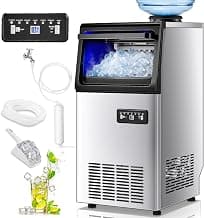
- The Space-Conscious Apartment Dweller: For those with limited square footage, the static weight and decibel output of the compressor are critical. Portable units must be evaluated on their "plug-and-play" simplicity, as they often lack dedicated water lines.
The Hidden Costs and Maintenance Realities
As an expert in mechanical durability, I must emphasize that an ice maker is a high-maintenance appliance. Unlike a toaster or a microwave, an ice maker handles constant moisture and temperature fluctuations, making it prone to scale buildup and microbial growth. When considering this as a gift, one must ask: what's a good housewarming gift amount? If the budget allows, investing in a unit with an integrated self-cleaning cycle and a modular design is far superior to cheap, non-serviceable models. Units that cannot be easily disassembled for descaling often fail within 18 to 24 months due to pump strain caused by mineral deposits.
| Feature | Clear Ice (Professional) | Nugget Ice (Auger System) | Bullet Ice (Portable/Budget) |
|---|---|---|---|
| Ice Quality | High density, slow melt, flavorless | Porous, chewable, retains drink flavor | Cloudy, fast-melting, hollow center |
| Maintenance | High (Requires frequent descaling) | Moderate (Requires gear lubrication) | Low (Manual water refills) |
| Plumbing | Required (Water line and drain) | Optional (Reservoir or line) | Not Required (Reservoir only) |
| Best For | Whiskey, Cocktails, Formal Events | Soft drinks, Smoothies, Daily use | RVing, Small apartments, Camping |
Mechanical Integrity: Buy It For Life (BIFL) Considerations
In the appliance repair community, "planned obsolescence" is a common grievance regarding entry-level ice makers. Many budget units utilize plastic gears and sealed cooling systems that are impossible to repair if a leak occurs. To ensure you are providing a gift of value, look for models featuring stainless steel evaporators and brushless fan motors. These components offer superior heat dissipation and are less likely to seize over time. For those looking for the best clear ice maker for home bar setups, prioritizing machines with accessible water filters and independent replacement parts is the only way to avoid contributing to electronic waste.
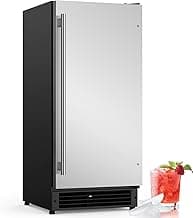
When assessing a gift's appropriateness, it is helpful to consider what is not a good housewarming gift. Often, complex appliances that require professional installation without the owner's consent can become a burden. Therefore, unless you are certain of the recipient's kitchen layout, a high-quality countertop model may be a more empathetic choice than a built-in unit that requires cabinetry modification.
Selecting by Demographic: A Gifting Strategy
The best residential ice makers are versatile, but the "perfect" model shifts based on the recipient's persona. For example, a senior citizen might struggle with a unit that has a heavy, top-opening lid or a deep bin that requires significant bending. In such cases, a front-access dispensing model is a much more ergonomic choice. Conversely, for a younger professional, a Wi-Fi-enabled machine that can be scheduled to produce ice before they arrive home might be among the best gift ideas for a woman or man who enjoys modern smart-home integration.
Frequently Asked Questions (AEO-FAQ)
Do residential ice makers keep ice frozen like a freezer?
No, most standalone residential ice makers are not freezers; they are insulated bins designed to hold ice temporarily. While professional-grade under-counter units may have active refrigeration to maintain sub-zero temperatures, countertop models allow the ice to slowly melt and recycle the water back into the reservoir for the next cycle. This prevents the ice from clumping but requires the machine to run periodically to maintain a full bin.
How often should I clean a residential ice maker?
You must clean and descale your ice maker every three to six months, depending on the hardness of your local water supply. Hard water contains calcium and magnesium that can solidify on the evaporator plate, reducing heat transfer efficiency and eventually causing the motor to burn out. Using distilled water or a dedicated inline phosphate filter can significantly extend the interval between cleanings and improve the taste of the ice.
Is clear ice better than regular ice?
Yes, clear ice is physically superior because the absence of air pockets results in a higher density. This increased density means the ice has less surface area relative to its mass, which significantly slows the melting rate. In a practical sense, this prevents your beverage from becoming prematurely diluted, preserving the intended flavor profile of high-quality spirits or artisan sodas.
Ultimately, gifting one of the best residential ice makers is an investment in the recipient's daily comfort and their ability to host others with ease. By focusing on mechanical transparency, ease of maintenance, and the specific needs of the user's lifestyle, you can ensure that this appliance remains a centerpiece of their home for years to come.