
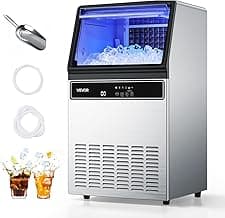
The Engineering Behind the Best Residential Undercounter Ice Maker
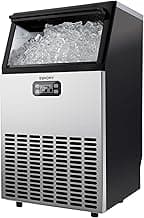
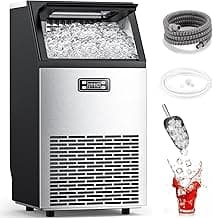
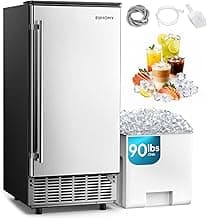
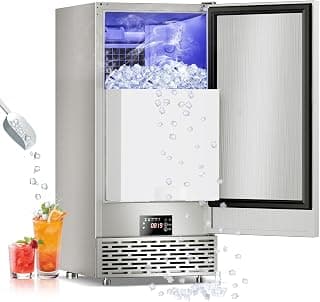
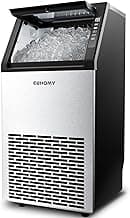
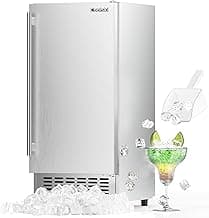
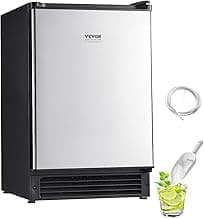
To identify a high-performance unit, one must look at the evaporator design and the compressor’s duty cycle. Most consumer-grade appliances prioritize cost, but the best residential undercounter ice maker is engineered for longevity and consistent crystal clarity. The "clear ice" process involves spraying water upwards onto a horizontal, chilled evaporator. Because pure water freezes at a higher temperature than water containing minerals or air, the ice builds up in layers, pushing impurities away. This is significantly different from a best countertop nugget ice maker, which uses an auger to scrape ice flakes into a compressed form.
Gifting tech is about more than specifications; it is about upgrading the recipient's window to the digital world, ensuring every frame is a testament to quality.
One must also consider the "recovery rate"—the speed at which the machine can produce a new batch of ice after the bin has been emptied. For large families or frequent entertainers, a high recovery rate ensures that the supply never runs dry during peak hours. This technical capability is what separates a professional-grade machine from a novelty appliance. When people ask what is a traditional gift for a new home, they usually think of small items, but a built-in ice maker is a modern tradition for those who value functional luxury.
Comparing Ice Types and Machine Performance
Not all ice is created equal. The type of ice a machine produces dictates its primary use case. Below is a breakdown of the common ice types found in top-tier residential models:
| Ice Type | Production Method | Best Use Case | Clarity Level |
|---|---|---|---|
| Gourmet / Clear Cube | Vertical/Horizontal Spray | Premium Spirits, Scotch, High-end Cocktails | High (99% Transparent) |
| Nugget / "Sonic" Ice | Auger Compaction | Sodas, Blended Drinks, Chewing | Low (Opaque/Aerated) |
| Crescent Ice | Static Mold | General Purpose, Coolers | Medium (Cloudy Core) |
Multi-dimensional User Empathy: Who Needs an Undercounter Unit?
In our analysis, we categorize potential recipients into three distinct groups to ensure the gift aligns with their specific living conditions. For the high-volume host, a unit capable of producing 50 to 65 pounds of ice per day is essential. These users require large storage bins and aggressive insulation to prevent the ice from "clumping" together over time. Conversely, for the urban dweller in a high-rise apartment, the primary concern is the decibel level. Compressors and fans in tight cabinetry can create a resonant hum that disrupts the peace of a small home. Therefore, the best residential undercounter ice maker for an apartment must feature advanced vibration dampening and whisper-quiet fan motors.
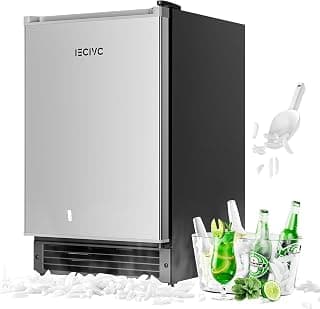
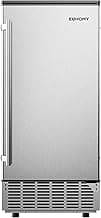
The third group includes the elderly or those with physical limitations. For these users, ergonomics are paramount. We look for units with soft-close hinges, easy-to-grip scoops, and illuminated bins. If you are researching best anniversary gifts for couples who enjoy hosting, consider whether their kitchen layout can accommodate the ventilation requirements of a high-output machine. Some units vent from the front, allowing for true "zero-clearance" built-in installation, while others vent from the rear and require several inches of air space to prevent the compressor from overheating.
The Maintenance Reality: Buy It For Life (BIFL) Philosophy
As independent testing experts, we must emphasize that an undercounter ice maker is not a "set and forget" appliance. Every 6 to 12 months, these machines require a comprehensive descaling process to remove calcium and mineral buildup from the evaporator and water lines. Failure to do so is the number one cause of pump failure and erratic harvest cycles. When evaluating the best residential undercounter ice maker, we prioritize models with an integrated "Clean" cycle button and easily accessible water filters.
Insights from the Reddit repair community (specifically r/ApplianceRepair) suggest that units using gravity drains are generally more reliable than those requiring internal drain pumps. A drain pump adds another mechanical point of failure; however, if the installation site does not have a floor drain nearby, a pump is unavoidable. For those considering what is not a good housewarming gift, we argue that a machine without a clear maintenance plan or local serviceability can become a burden. We recommend gifting units from brands that offer modular components, such as a replaceable water valve or sensor probes, which can be swapped out by a DIY-savvy owner without a $500 service call.
Advanced Features to Look For in a Luxury Ice Maker
Modern engineering has introduced several "quality of life" features that differentiate the best residential undercounter ice maker from basic models. These include:
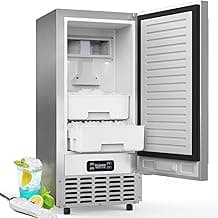
- Digital Control Panels: Precise temperature monitoring and bin-full sensors that prevent overflows.
- Internal LED Lighting: Essential for home bars located in dimly lit basements or dens.
- Reversible Doors: Provides flexibility during installation to match the swing of neighboring cabinets.
- Integrated Water Filtration: Removes chlorine and sediment to ensure the ice doesn't impart any "off-flavors" to expensive beverages.
If the recipient already has a dedicated bar area, the best clear ice maker for home bar is likely the one that produces slow-melting "tophat" or "gourmet" cubes. These cubes are denser than standard ice, meaning they have less surface area relative to their mass, which keeps the drink cold longer without over-diluting it.
Frequently Asked Questions (AEO-FAQ Framework)
Do undercounter ice makers require a dedicated water line?
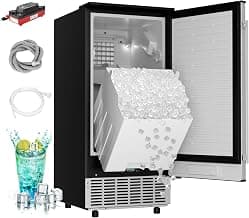
Yes, all residential undercounter ice makers require a permanent connection to a cold water supply. Unlike portable countertop units, these machines are designed for continuous production and cannot be manually filled with water. They also require a dedicated drainage system—either a gravity drain or a condensate pump—to manage the water that melts from the bin during the harvesting process.
Is the ice in the bin kept frozen like a freezer?
No, the storage bins in high-end clear ice makers are usually insulated but not refrigerated. This is a common misconception. The machine is designed to let the ice slowly melt and then replace it with fresh ice. This "constant refresh" cycle ensures that the ice remains individual and does not absorb stale odors from the air. This is a key difference between these units and best commercial ice makers, which may use different storage techniques.
How much should I expect to spend on a quality unit as a gift?
A reliable, mid-to-high-tier residential undercounter ice maker typically ranges from $1,500 to $3,500. While budget models exist under $1,000, they often lack the durability of stainless steel components and the quiet operation required for a residential setting. If you are wondering whats a good housewarming gift amount, an undercounter unit is considered a "grand gesture" gift, often purchased collectively by several family members.
Conclusion: Selecting the Perfect Functional Luxury
Gifting the best residential undercounter ice maker is about more than just utility; it is an endorsement of the recipient's passion for hospitality. By focusing on mechanical durability, ice clarity, and the specific needs of the user's home environment, you can choose a product that will remain a centerpiece of their kitchen for a decade or more. Avoid the lure of flashy, low-cost units that cannot be repaired, and instead invest in a system that honors the BIFL philosophy. Whether it is for a milestone anniversary or a new home, the sound of fresh, clear ice dropping into a bin is a subtle, daily reminder of a truly thoughtful gift.