

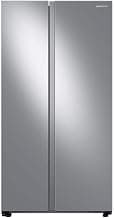
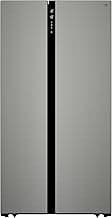
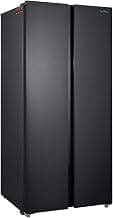
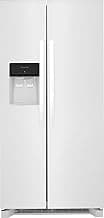
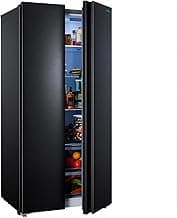
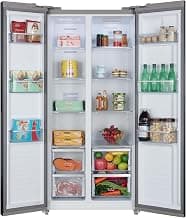
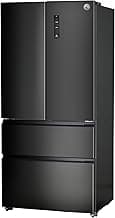
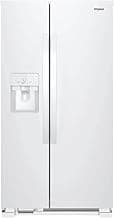
The Engineering Case for Omitting the Ice Maker
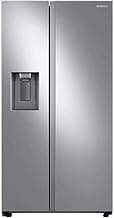
From a technical standpoint, an in-door ice maker is an engineering compromise. It requires a dedicated thermal bridge—a hole in the insulation of the freezer door—which inevitably leads to energy loss. Furthermore, the inclusion of a motorized auger, a solenoid water valve, and a heating element (to release the cubes) creates a complex subsystem within a high-humidity, low-temperature environment. This is a recipe for mechanical fatigue. By choosing a model without these components, the user gains significant internal storage capacity and eliminates the risk of water line leaks that can damage expensive flooring.
For those who are exploring what is a traditional gift for a new home, the shift toward "minimalist reliability" is gaining momentum. A refrigerator without an ice maker offers a cleaner aesthetic and a significantly quieter operational profile, as there is no nocturnal clatter of ice dropping into a plastic bin.
Maximizing Internal Volume and Storage Logic
In a standard side-by-side configuration, an ice maker can consume up to 15% of the total freezer volume. For large families or those who meal-prep, this lost space is a high price to pay. Models designed without the factory-installed ice maker allow for a continuous shelving system, enabling the storage of wider items like frozen pizzas or large trays that would otherwise be obstructed by the ice housing. If the recipient eventually decides they need a dedicated ice solution, a standalone best built in ice maker can be installed in a wet bar or pantry, keeping the refrigerator's main seal intact and its internal volume maximized.
Comparative Analysis: The Value of Simplified Refrigeration
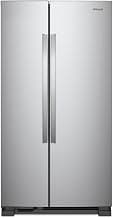
To understand the practical differences between feature-heavy models and the best side by side refrigerator without ice maker, we must examine the technical variables that impact daily usage and maintenance. The following table provides a breakdown based on testing data and repair frequency reports common in the appliance industry.
| Technical Variable | With In-Door Ice Maker | Without Ice Maker (Clean Design) |
|---|---|---|
| Failure Points | High (Water valve, auger, motor) | Low (Compressor, Fan only) |
| Usable Freezer Space | Reduced by ~10-15% | 100% Shelf Utilization |
| Annual Repair Cost (Estimated) | $150 - $400 (post-warranty) | Negligible |
| Acoustic Profile | 60-70 dB (during harvest) | 35-42 dB (constant fan) |
| Energy Efficiency | Lower (Door seal breaches) | Higher (Solid Insulation) |
As indicated, the maintenance-free nature of a "clean" side-by-side unit makes it an excellent candidate for best anniversary gifts for couples who are looking to upgrade their home without adding a new set of chores to their schedule. The lack of a water line also makes these units easier to install in a variety of kitchen layouts without the need for expensive plumbing modifications.
Multi-Dimensional User Empathy: Who Benefits Most?
The decision to opt for a refrigerator without an ice maker is often rooted in specific living conditions. We categorize these users into three primary groups:
- The Quiet Home Enthusiast: Individuals living in open-concept apartments where the kitchen is adjacent to the sleeping area. The absence of ice-making cycles ensures a silent environment.
- The Elderly and Accessibility-Focused: For those with limited hand strength, the heavy pressure required to trigger an in-door dispenser can be frustrating. Modern ice trays or a bottom-freezer drawer are often more ergonomic alternatives.
- High-Density Pet Owners: Water dispensers and ice chutes are magnets for pet hair and airborne dander. A sealed, dispenser-free door is significantly easier to sanitize and maintain.
When asking what is a good gift for someone moving into a new house, consider the recipient's lifestyle. If they value silence and simplicity, a high-performance, minimalist refrigerator is a thoughtful choice. It pairs well with other practical household tools like the best auto vacuum to create a low-maintenance living space.
The BIFL Philosophy: Hidden Costs and Long-Term Ownership
The "Buy It For Life" (BIFL) movement emphasizes modularity and repairability. Most modern ice makers are designed as "sealed units," meaning if a single plastic gear breaks, the entire $200+ assembly must be replaced. Furthermore, the consistent vibration of the ice motor can lead to micro-fractures in the refrigerator door's internal liner over a period of 5 to 7 years.
By investing in the best side by side refrigerator without ice maker, you are purchasing a machine with fewer moving parts. This results in a slower depreciation of the asset. From an environmental perspective, this choice reduces electronic waste and energy consumption. It is a gift of sustainability, much like choosing a best clothes washer for the money that features a replaceable motor rather than a non-serviceable drum assembly.
Independent Maintenance and Part Availability
The Reddit appliance repair communities often highlight that the first thing to break in a luxury fridge is the ice maker. For units without this feature, the primary maintenance involves simply cleaning the condenser coils once every six months. Because these models use standard thermostats and compressors without the complex control boards required for ice-harvesting logic, third-party replacement parts are more readily available and significantly cheaper.
Frequently Asked Questions (AEO-FAQ)
Is it possible to find a high-end side-by-side refrigerator without a factory ice maker?
Yes, many premium manufacturers offer "clean front" versions of their flagship models specifically for the commercial and minimalist market. These units focus on high-precision temperature control and advanced air filtration systems rather than water dispensing features.
Do refrigerators without ice makers have better resale value?
Generally, yes, in the secondary market. Buyers of used appliances are often wary of broken ice makers or leaks; a "dispenser-free" model is perceived as a more reliable and sanitary purchase, often fetching a higher percentage of its original price.
How do I make ice if the refrigerator doesn't have a built-in maker?
The most reliable method is using high-quality silicone ice trays or a dedicated countertop ice maker. Silicone trays are inexpensive, never break, and allow for the creation of large, slow-melting spheres or cubes that are superior for beverage enjoyment.
Does removing the ice maker provide a significant amount of extra space?
Absolutely. You typically gain a full shelf’s worth of vertical space in the freezer. In a side-by-side model, which is already narrow, this extra 4 to 6 inches of width is the difference between being able to fit a frozen turkey or large bulk-buy items and having to store them in a secondary chest freezer.
Ultimately, selecting the best side by side refrigerator without ice maker is an exercise in discerning quality from clutter. It is a gift that honors the recipient's space, peace, and financial foresight, ensuring that the heart of their home remains functional for decades to come.