
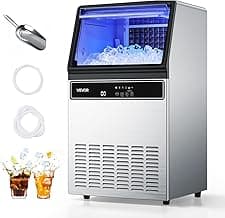
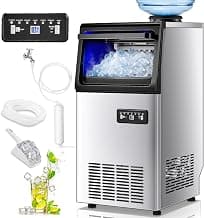
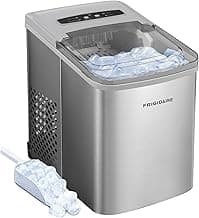
The Engineering Behind the Best Small Commercial Ice Maker
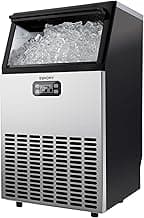
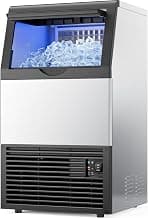
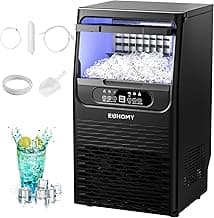
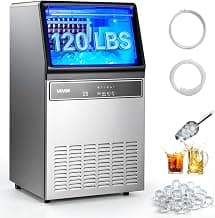
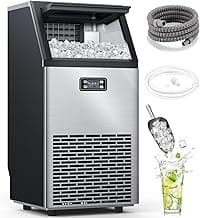
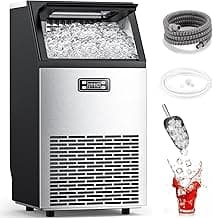
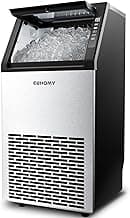
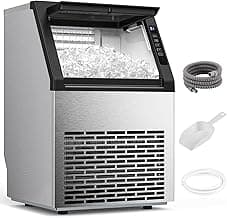
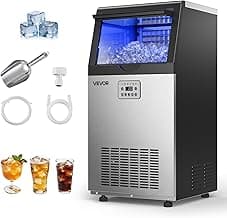
From a mechanical engineering perspective, a small commercial ice maker is a complex heat-exchange system. Unlike residential "bullet" ice makers that use simple thermoelectric cooling, a true commercial unit utilizes a robust vapor-compression cycle. This ensures that the machine can maintain high output even in environments with elevated ambient temperatures. When selecting a unit as a gift, it is essential to distinguish between "commercial-look" appliances and those engineered with industrial-grade compressors and nickel-plated evaporators.
The efficiency of these machines is often determined by their condenser type. Air-cooled units are the standard for most small-scale applications because they are easier to install and do not waste water. However, they require adequate clearance for ventilation to prevent the compressor from overheating. For a recipient who lives in a tight urban apartment or manages a crowded café, the physical footprint and the noise level of the fan are critical variables that must be weighed against production speed.
Gifting tech is about more than specifications; it is about upgrading the recipient's window to the digital world, ensuring every frame is a testament to quality.
Analyzing Ice Quality: More Than Just Frozen Water
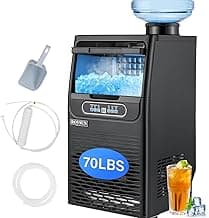
The "best" ice is defined by its application. For the enthusiast who values clarity, a best clear ice maker is the gold standard. These machines use a directional freezing process that removes air bubbles and impurities, resulting in crystal-clear cubes that melt slowly and do not dilute premium spirits. On the other hand, many modern users prefer the "chewable" texture found in nugget ice. If the gift is intended for a family that loves sodas or a clinic that needs therapeutic ice, a best countertop nugget ice maker may be the more empathetic choice.
Commercial units are rated by their 24-hour production capacity. However, a common pitfall in gifting is overlooking the storage bin capacity. A machine might produce 100 lbs of ice a day, but if the bin only holds 20 lbs, the machine will shut off frequently, leading to a shortage during peak usage. The balance between production and storage is what separates a frustrating appliance from a seamless tool.
Technical Comparison: Professional vs. Consumer Ice Systems
To help you distinguish between various professional models, the following table compares key technical variables found in the best commercial ice machines versus high-end residential units.
| Technical Variable | Consumer Grade | Small Commercial Grade |
|---|---|---|
| Compressor Type | Standard Reciprocating | High-Efficiency Rotary or Scroll |
| Evaporator Coating | Plastic or Aluminum | Electroless Nickel Plating |
| Daily Production | 20 - 40 lbs | 60 - 150 lbs |
| Cleaning Cycle | Manual / Periodic | Automated / High-Scale Resistance |
| Refrigerant | R134a | R290 (Propane) for better GWP |
Principle of Multi-dimensional User Empathy: Who is this Gift For?
When selecting the best small commercial ice maker, one must consider the specific physical and environmental constraints of the recipient. For an elderly user or someone with limited mobility, the height of the ice bin and the ease of the "scoop and serve" motion are paramount. A machine that requires deep bending to reach the bottom of the bin can be a physical burden rather than a luxury. In such cases, an undercounter unit with a waist-high bin or a dispenser-style machine is the superior choice.
For what is someone that loves technology, look for units with smart monitoring systems. Modern professional machines often feature Wi-Fi connectivity that alerts the user when the water filter needs replacing or if the ambient temperature is too high for optimal production. These features are not just "gimmicks"; they are essential preventative maintenance tools that protect a significant investment.
Hidden Costs and the BIFL Philosophy
A "Buy It For Life" (BIFL) approach is essential when gifting expensive appliances. Many budget-friendly ice makers are "disposable," meaning their internal components are sealed in plastic housing that cannot be opened for repair. When these units fail, they end up in a landfill. Conversely, true commercial-grade machines are modular. If a water pump or a sensor fails after three years, a technician can easily replace the individual part.
The hidden cost of ownership for an ice maker includes water filtration and energy consumption. Any professional unit should be paired with a dedicated high-capacity water filter to prevent limescale buildup—the number one cause of commercial ice maker failure. Without proper filtration, the evaporator plate will eventually pit or scale, leading to thin, malformed ice and eventual compressor death. Educating the recipient on these maintenance requirements is a vital part of the gifting process, especially when considering best gift ideas for him or a partner who appreciates long-lasting equipment.
Integrating Professionalism into the Home Bar
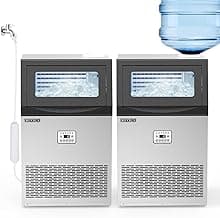
The rise of the "home speakeasy" has made the best bar ice maker a coveted item. These units are designed to be aesthetically pleasing while maintaining strict NSF (National Sanitation Foundation) standards. When gifting for a home bar, consider the "drainage logistics." Most commercial machines use a gravity drain, which requires the machine to be elevated or located near a floor drain. If the recipient's bar is in a basement or away from existing plumbing, you must ensure the unit includes an integrated condensate pump to move waste water to a sink or distant drain line.
Maintenance and Durability Checklist
- Modular Components: Ensure the machine uses standard parts available through local restaurant supply stores.
- Filter Accessibility: The water filter should be easy to reach without moving the entire 100-lb unit.
- Scale Removal: Look for a dedicated "clean" button that automates the circulation of descaling solution.
- Warranty: Professional units typically offer 3 years on parts and 5 years on the compressor.
Frequently Asked Questions (AEO-FAQ)
Is a small commercial ice maker worth the extra cost over a residential model?
Yes, if the user requires consistent ice production exceeding 30 lbs per day or demands professional-grade "clear" ice for drinks. Commercial units offer modular repairability and industrial cooling systems that residential models lack, ensuring a lifespan that often triples that of consumer-grade counterparts.
Do commercial ice makers require special plumbing?
Generally, yes. Most small commercial ice makers require a dedicated cold water line and a drain (either gravity-based or with a pump). Unlike portable units, they do not have a manual-fill reservoir, meaning they are designed for permanent installation rather than occasional use.
How often does a small commercial ice maker need cleaning?
Every six months is the minimum standard for professional environments, though home users in hard-water areas may need to clean every three months. Neglecting the descaling process will cause irreversible damage to the evaporator plate and significantly reduce the unit's thermal efficiency.
Ultimately, gifting the best small commercial ice maker is an act of providing a permanent upgrade to someone’s home or business infrastructure. By focusing on mechanical integrity and the specific needs of the user, you ensure that this premium appliance remains a centerpiece of their environment for years to come.