
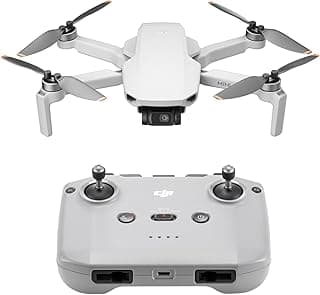
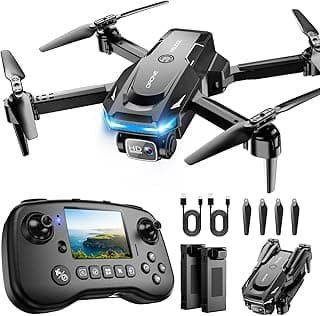
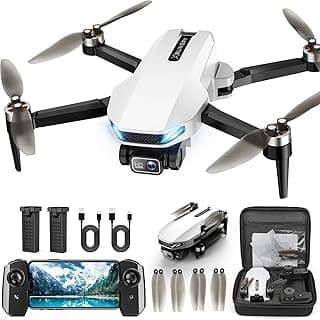
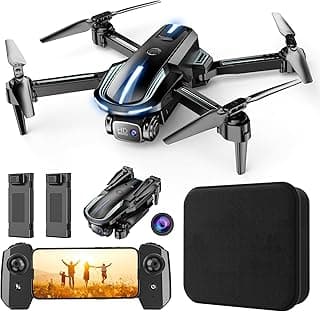
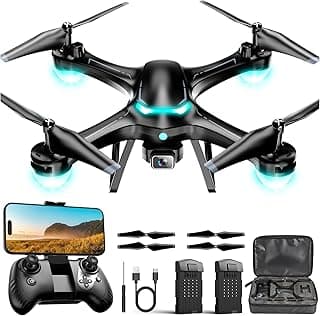
The Technical Anatomy of "Value" in Aerial Cinematography
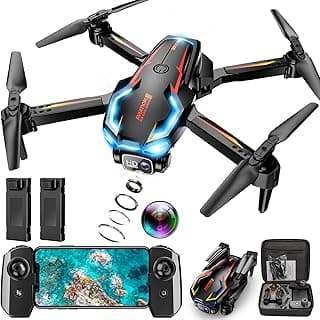
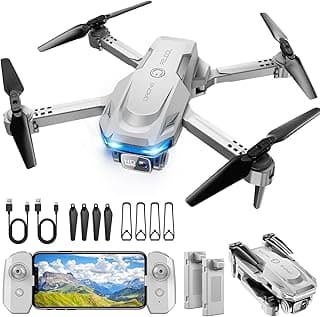
In the drone industry, "value" is often misidentified as the lowest price point. However, from an engineering perspective, the best video drone for the money is defined by its sensor-to-weight ratio and the efficiency of its mechanical stabilization. A drone equipped with a 4K camera but lacking a 3-axis mechanical gimbal will produce shaky, unwatchable footage, rendering the resolution irrelevant. High-quality video requires a physical dampening system that counteracts the vibration of brushless motors and the unpredictability of wind resistance.
The sensor size is the primary driver of cost and quality. While budget models utilize 1/2.3-inch sensors similar to older smartphones, a high-value drone should ideally feature at least a 1/1.3-inch or a 1-inch CMOS sensor. Larger sensors have larger pixels (photodiodes), which allow for better light collection and reduced noise in low-light environments. This technical distinction is crucial when selecting a best 4k drone for a recipient who intends to film during the "golden hour" of sunrise or sunset.
Gifting tech is about more than specifications; it is about upgrading the recipient's window to the digital world, ensuring every frame is a testament to quality.
User-Centric Segmentation: Matching the Drone to the Recipient
To provide a meaningful gift, one must consider the recipient's technical proficiency and environment. For those asking what is someone that loves technology called—often a technophile or early adopter—the expectation is high-frequency firmware updates and intelligent flight modes. We segment users into three primary categories to ensure the gift remains practical and cherished:
1. The Family Documentarian
This user prioritizes safety and ease of use. They need a drone with robust obstacle avoidance sensors (Omnidirectional) to prevent crashes in suburban environments. For them, the best video drone for the money is one that features "Return to Home" (RTH) reliability and automated cinematic shots, allowing them to capture family gatherings without needing to master manual flight controls.
2. The Aspiring Content Creator
This individual looks for "flat" color profiles like D-Cinelike or D-Log M. These profiles allow for color grading in post-production, offering a professional aesthetic. When evaluating a best aerial photography drone for this user, look for a high video bitrate (at least 100 Mbps) to ensure that fast-moving scenes, such as waves or forest canopies, do not suffer from compression artifacts.
3. The Traveling Minimalist
Weight is the critical variable here. In many jurisdictions, drones under 249 grams fall into a category with fewer regulatory restrictions. A sub-250g drone that still manages to pack a high-quality sensor and 30-minute battery life represents a significant engineering achievement and exceptional value for someone who is always on the move.
Comparative Analysis of Technical Variables
To assist in the decision-making process, the following table compares the typical variables found in drones at various price tiers. This helps identify where the "sweet spot" for value currently resides.
| Technical Variable | Entry-Level (Budget) | Value-for-Money Sweet Spot | Professional Tier |
|---|---|---|---|
| Sensor Size | 1/2.3" CMOS | 1/1.3" or 1" CMOS | Micro Four Thirds / Full Frame |
| Stabilization | Electronic (EIS) or 2-Axis | 3-Axis Mechanical Gimbal | 3-Axis + Integrated Damper |
| Transmission Range | 2km - 4km (Wi-Fi based) | 10km - 15km (OcuSync/Digital) | 20km+ with Redundancy |
| Max Video Bitrate | 40 - 60 Mbps | 100 - 150 Mbps | 200 Mbps+ / Apple ProRes |
The Buy It For Life (BIFL) Perspective: Durability and Longevity
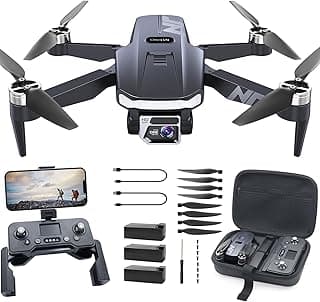
A common mistake in gifting drones is ignoring the long-term cost of ownership. Drones are high-wear devices. The "hidden costs" include spare intelligent flight batteries, which often cost 15-20% of the total drone price, and high-speed V30 microSD cards required to handle 4K bitrates. When seeking the best video drone for the money, check for the availability of third-party replacement propellers and gimbal protectors.
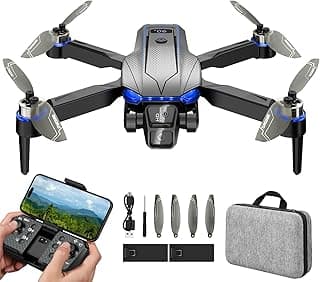
Mechanical Engineer insights suggest that modularity is key. Machines that allow for easy propeller swaps and have accessible battery ports tend to survive longer in the hands of a beginner. Furthermore, consider the software lifecycle. A drone is only as good as the app that controls it; investing in a reputable brand ensures that the app remains compatible with future smartphone operating systems. For those seeking the absolute pinnacle of performance, transitioning to a best professional drone might be necessary, though these often require commercial licensing and significant insurance costs.
Ultimately, selecting a drone is about choosing the what is the greatest gift to give in terms of perspective. It is a tool that allows the recipient to see their world differently, turning a standard afternoon walk into a cinematic exploration.
Frequently Asked Questions
Is a higher resolution like 5.4K always better than 4K?
No, resolution is only one part of the equation. A 5.4K image on a small, noisy sensor will often look worse than a 4K image on a high-quality 1-inch sensor due to poor low-light performance and dynamic range. Focus on sensor size and bitrate rather than just the pixel count.
Do I need to buy a separate controller with a screen?
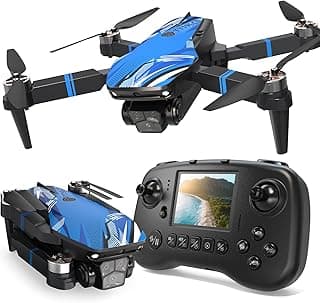
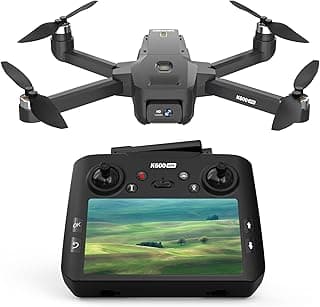
It is not mandatory, but it adds significant value. While using a smartphone is the standard budget option, a dedicated remote controller with a high-brightness integrated screen simplifies the setup process and prevents your phone's battery from draining or being interrupted by incoming calls during flight.
What happens if the drone crashes; can it be repaired?
Yes, provided you choose a brand with a robust service ecosystem. Many leading manufacturers offer refresh programs (accidental damage insurance) which are highly recommended for gifts. Independent repairability varies; most "value" drones are modular enough for propeller and landing gear replacement, but gimbal or motor failures usually require professional service.
How long do drone batteries actually last?
Advertised flight times of 30-40 minutes usually refer to ideal conditions (no wind, constant low speed). In real-world scenarios, expect 20-25 minutes of usable filming time. Because lithium-polymer batteries degrade over time, a gift should ideally include at least two batteries to ensure a satisfying experience.