


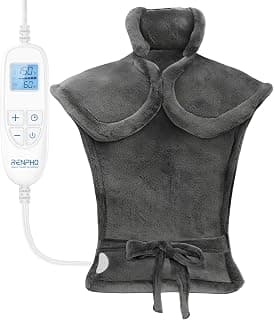


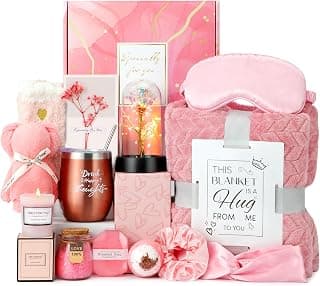
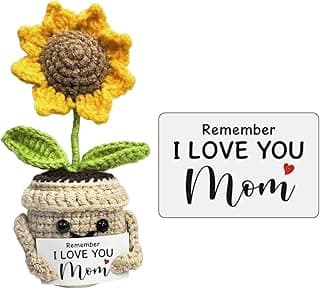
Psychological Profiling of the Recipient
Effective gifting begins with segmentation. A "one size fits all" approach often results in a mismatch between the giver’s intent and the recipient’s reception. Behavioral scientists suggest that mothers can be categorized based on their dominant spheres of activity. Understanding these spheres allows for a more targeted selection of best gifts to get for your mom.
| Archetype | Core Motivation | Gift Strategy |
|---|---|---|
| The Wellness Enthusiast | Physical health and stress reduction. | Items that facilitate recovery or track biological metrics. |
| The Modern Professional | Efficiency and cognitive clarity. | Tools that optimize the workspace or reduce digital eye strain. |
| The Active Explorer | Movement and environmental engagement. | High-durability gear for walking or outdoor activities. |
| The New Mother | Adaptation and self-preservation. | Practical support systems or comfort-centric items. |
For a woman recently entering parenthood, the needs are often urgent and focused on comfort. When considering what to get for a mommy to be, the focus should shift toward items that acknowledge her new identity while maintaining her individual sense of self. This transition is a critical period where emotional support is just as vital as material utility.
Gifting is less about the item itself and more about the evidence of observation. A successful gift proves that the giver has been paying attention to the recipient's life.
Evaluating Material vs. Emotional Value
A recurring theme in online communities, particularly within Reddit's gifting and minimalist circles, is the critique of "clutter gifting." Many recipients express a preference for items that offer "high utility density" or "deep emotional resonance" over decorative trinkets. The distinction between material value (the price tag) and emotional value (the psychological impact) is paramount.
Material value is fleeting. A luxury item may provide an initial dopamine spike, but its impact often plateaus quickly. Conversely, emotional value is built through shared history or the solving of a specific pain point. For instance, if a mother spends significant hours working on a computer, providing the best blue light blocking glasses for small faces demonstrates a concern for her long-term ocular health. This is an act of "protective gifting," which strengthens the bond by showing a proactive interest in her well-being.
Similarly, for mothers who prioritize physical activity, high-quality equipment can be a game-changer. Rather than a generic pair of sneakers, sourcing the best comfortable walking shoes for women ensures that her fitness routine is supported by proper ergonomics. This logical alignment between her hobbies and the gift selection is a hallmark of the GiftsPick methodology.
The Impact of Utility on Long-term Relationships
Data from consumer behavior studies suggest that "utilitarian gifts" are often more appreciated in the long run than "hedonic gifts." While a bouquet of flowers is a traditional gesture, it is a decaying asset. To understand the nuances of this tradition, one might ask, how many flowers should I give my mom? While the answer varies by culture, the consensus is that flowers should be an accompaniment to a more permanent token of appreciation, rather than the sole offering.
| Feature | Traditional Symbolic Gift (e.g., Flowers) | Practical Utility Gift (e.g., Tech/Apparel) |
|---|---|---|
| Longevity | Short (3 to 7 days) | High (Months to Years) |
| Functionality | Aesthetic/Symbolic only | Improves daily routine/Efficiency |
| Relationship Signal | Adherence to social norms | Detailed understanding of needs |
| Psychological Effect | Immediate joy | Continuous gratitude through use |
If the recipient is tech-savvy or health-conscious, the best activity tracker for women provides a daily touchpoint of value. Every time she checks her metrics, there is a subconscious association with the giver. This "utility-driven association" is a powerful tool for maintaining closeness in a relationship, especially when distance or busy schedules prevent frequent physical interaction.
Strategic Implementation: The Giver's Checklist
To ensure the selected mothers day best gifts resonate, givers should follow a structured decision-making process:
- Observation Phase: Identify one recurring complaint or difficulty she mentions in her daily life.
- Interest Alignment: Match that difficulty with a high-quality product. If she enjoys variety and discovery, perhaps the best box subscriptions for women would provide ongoing engagement.
- Quality Verification: Eschew "fast-fashion" or low-tier electronics. Choose items with reputable warranties and objective positive reviews.
- Contextual Delivery: Present the gift with a clear explanation of *why* it was chosen, linking it back to her needs.
The most profound gifts are those that answer a question the recipient hadn't yet realized they were asking.
Frequently Asked Questions (FAQ)
Is it better to ask her what she wants or to surprise her?
Directly asking is often the most efficient way to ensure satisfaction, as it eliminates the risk of gifting redundant or unwanted items. While the element of surprise has emotional appeal, research indicates that recipients generally value gifts they have explicitly requested more than those they have not. If you prefer a surprise, ensure it is based on rigorous observation of her habits to maintain a high probability of success.
What is the most common mistake made when choosing Mother's Day gifts?
The most common mistake is prioritizing the giver's taste over the recipient's actual needs. Many givers choose items they personally find appealing or items that satisfy a societal stereotype of motherhood. This often leads to "burden gifting," where the mother feels obligated to store or use an item that does not fit her lifestyle. To avoid this, consult resources that analyze what does a mom want for mothers day from a data-driven perspective.
How do I balance a limited budget with the desire for a "best" gift?
Focus on "niche excellence" rather than "generic luxury." It is better to buy the highest-quality version of a small, practical item (like a professional-grade kitchen tool or high-end socks) than a lower-quality version of an expensive item (như a cheap watch). Quality is felt in the long-term durability and performance, which reflects better on the giver's intent than a fleeting brand name.
Should I prioritize experiential gifts over physical objects?
The choice depends on the recipient's "Time-Wealth" status. For a mother who is chronically busy, an experiential gift like a spa day might actually cause stress by requiring her to rearrange her schedule. In such cases, a physical gift that saves her time or improves her home environment is superior. Conversely, for a mother with more leisure time, an experience can create lasting memories that outweigh the value of any physical object.
In conclusion, the pursuit of mothers day best gifts is an exercise in empathy and logical deduction. By analyzing her archetype, balancing utility with sentiment, and avoiding the pitfalls of generic consumerism, you can select a gift that serves as a lasting testament to your relationship. At GiftsPick, we believe that the best gifts are those that integrate seamlessly into the recipient's life, providing value long after the occasion has passed.