

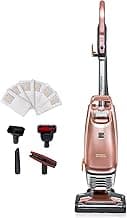
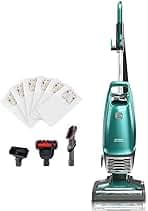
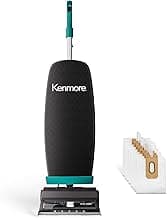

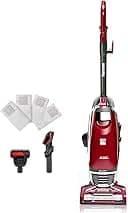

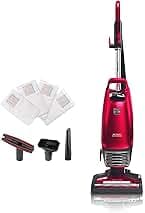

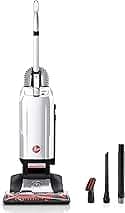
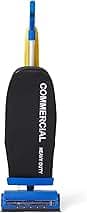

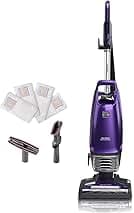
Why Bagged Technology Refuses Dying Despite Marketing Pressure
Bag systems provide inherent filtration—multiple layers of bag material capturing particles before air reaches motor and final filters, creating multi-stage filtration through bag functioning as both debris container and primary filter element. This dual-purpose design proves more effective at preventing motor contamination and maintaining suction over time compared to bagless systems where all filtration burden falls on filters that clog faster from handling complete contamination load without bag pre-filtering reducing fine particle exposure filters face in bagged designs.
Allergen containment proves superior with bags—disposing sealed bag containing all collected debris prevents re-exposure to dust, dander, and allergens that bagless emptying releases into air regardless of technique attempting minimizing dispersion. For allergy sufferers specifically, this sealed disposal represents non-negotiable health requirement rather than minor convenience preference making bagged essentially mandatory when respiratory sensitivity demands minimizing allergen exposure during routine vacuum maintenance that bagless designs unavoidably create through open-air emptying process.
Professional cleaning services overwhelmingly choose bagged—commercial cleaners and professional services preferring bagged uprights despite bagless options existing in commercial grades reveals industry professionals whose livelihoods depend on equipment reliability and client satisfaction choosing bag systems after years of experience with both technologies. This professional consensus suggests bagged advantages prove genuine rather than just nostalgic preference for familiar technology when actual daily commercial use informs equipment selection decisions over marketing claims driving consumer choices.
Maintenance simplicity favors bags paradoxically—despite bagless marketing claiming maintenance-free operation through eliminating bag purchases, reality involves filter cleaning after every use, periodic deep filter washing, and eventual filter replacement costing more than bags would have. Bagged systems demand only swapping full bags for empty ones without filter maintenance between changes, creating genuinely simpler operation that marketing inversion successfully reframed as complicated despite bagged actually requiring less user attention than bagless maintenance demands most users don't anticipate purchasing equipment marketed as maintenance-free.
The best bagged upright vacuum cleaner serves informed consumers prioritizing these advantages over bagless marketing appeals—recognizing that "no bags to buy" proves shallow benefit when deeper analysis reveals bagged systems delivering superior performance, cleaner operation, and often lower total cost of ownership once all factors get included rather than just comparing headline purchase prices and ignoring operational realities determining actual user experience and long-term value beyond initial transaction completing purchase decision.
The Allergy Sufferer's Non-Negotiable Requirement
Bagless emptying releases particles inevitably—no matter how carefully you empty bagless bin, dust becomes airborne during disposal process creating respiratory exposure exactly when you're closest to concentrated contamination you just collected throughout house. For allergy sufferers, this exposure proves genuinely problematic triggering symptoms despite best efforts minimizing dispersion through outdoor emptying or breath-holding that proves imperfect prevention when particle size and dispersion physics ensure some exposure occurs regardless of precautionary technique attempting mitigation.
Sealed bag disposal prevents this exposure—dropping full bag directly into outdoor trash or garage bin without opening or shaking creates zero dust exposure during disposal process when bag integrity maintained through careful removal. The sealed system means collected allergens stay contained from collection through disposal without any point where user must directly confront concentrated contamination that bagged system successfully isolated throughout entire operational cycle from initial collection to final disposal.
HEPA filtration works better with bags—the pre-filtration bags provide means HEPA filters face lower contamination load and maintain effectiveness longer versus bagless where HEPA filters receive full contamination exposure causing faster saturation and reduced lifespan. The system integration creates multiplicative filtration effectiveness where bag and HEPA filter work synergistically rather than HEPA alone handling complete burden that reduces effectiveness and increases replacement frequency creating higher operational costs that "no bags to buy" marketing conveniently omits when calculating cost comparisons.
For gift-givers supporting friends or family with diagnosed allergies or asthma, understanding bagged represents health intervention rather than just cleaning preference demonstrates medical awareness beyond casual gift-giving. When considering thoughtful gifts for women managing respiratory conditions or practical presents for men whose children face allergy challenges, equipment addressing health needs proves more meaningful than aesthetic or convenience-focused alternatives that ignore actual medical considerations determining equipment appropriateness for specific health-conscious households.
Total Cost of Ownership: The Honest Math
Bags cost approximately $12-20 per year—assuming monthly bag changes for average household equals 12 bags annually at typical $1-1.50 per bag creating modest recurring expense that bagless marketing emphasizes. However, this calculation requires completing with bagless operational costs for honest comparison rather than stopping at obvious bag expense while ignoring less-visible bagless maintenance creating false cost advantage when incomplete accounting omits comparable expenses bagless systems generate through different mechanisms.
Bagless filters require replacement too—HEPA filters costing $20-40 each requiring annual or bi-annual replacement plus foam pre-filters needing periodic replacement create recurring expense that "no bags to buy" marketing conveniently ignores. When adding bagless filter costs to equation, cost advantage largely disappears and sometimes reverses depending on specific models and usage patterns creating situations where bagged proves less expensive long-term despite obvious recurring bag purchases seeming like clear disadvantage during initial purchase consideration.
Filter washing creates hidden costs—bagless systems requiring frequent filter cleaning consume water, time, and create inconvenience that economic analysis struggles quantifying but users experience as genuine burden during sustained ownership. The time investment weekly washing filters, waiting 24 hours for complete drying before reinstalling, and risk of mold growth from incomplete drying creates operational complexity and potential health concerns that bagged systems avoid through sealed bag disposal requiring no cleaning or drying delays between use sessions.
Motor longevity favors bagged systems—better motor protection from bag pre-filtration means longer motor lifespan and fewer premature failures from dust infiltration that bagless designs prove more susceptible to despite claims about cyclonic separation and filtration. The improved durability affects total cost of ownership through extending replacement intervals and reducing repair needs, creating value that upfront cost comparison misses when focusing only on initial purchase price and obvious recurring expenses while ignoring reliability differences affecting replacement timing determining actual ownership costs across typical 8-10 year vacuum lifespan.
Who Genuinely Benefits From Choosing Bagged
Allergy and asthma sufferers requiring sealed disposal: Individuals whose respiratory conditions demand minimizing dust exposure during all cleaning activities including vacuum maintenance. For these users, bagged proves medical necessity rather than preference when alternative bagless disposal creates symptom triggers that make bagless essentially contraindicated despite being perfectly acceptable for users without respiratory sensitivities where exposure concerns prove minimal or non-existent.
Elderly users preferring simple maintenance: Older adults wanting straightforward operation without complicated filter maintenance schedules or messy emptying procedures. The bag swap simplicity proves more manageable than bagless bin emptying and filter washing that younger users accept casually but proves burdensome for those managing arthritis, mobility limitations, or cognitive changes making complex maintenance procedures feel overwhelming when simpler bagged alternative enables sustained independent home maintenance.
Professional cleaners managing multiple clients: Those providing cleaning services needing reliable equipment enabling hygienic disposal between client homes without cross-contamination concerns. Sealed bags prevent client A's dirt contaminating client B's home through residual dust in vacuum that thorough bagless emptying can't completely eliminate creating professional liability concerns and hygiene considerations that sealed bag disposal definitively addresses through physical isolation preventing any cross-contamination possibility.
Pet owners with heavy shedding animals: Households where pet hair generates massive debris volume quickly filling any container. Bags often feature larger capacity than bagless bins plus sealed disposal prevents hair clouds during emptying that pet owners find particularly problematic when disposing of collected fur that bagless bin emptying releases creating visible hair clouds re-contaminating spaces just cleaned. For comprehensive pet considerations, reference pet-specific solutions addressing heavy shedding challenges.
Bag Quality Variations: Not All Bags Prove Equal
OEM bags from vacuum manufacturers typically deliver best fit and filtration—engineered specifically for their equipment ensuring proper seal against housing and appropriate filtration matching system design. However, these cost premium over generic alternatives creating temptation toward aftermarket bags that sometimes work adequately but occasionally cause problems through inferior materials, poor fit allowing bypass, or inadequate filtration compromising system performance despite appearing functionally equivalent during installation.
HEPA-rated bags provide superior filtration—capturing 99.97% of particles 0.3 microns or larger versus standard bags allowing more particle passage. However, HEPA bags cost more and sometimes reduce suction through denser material creating airflow restriction. The trade-off between maximum filtration and maintained suction determines whether HEPA bags prove worthwhile upgrade or unnecessary expense when standard bags deliver adequate filtration for households without severe allergy concerns justifying premium filtration investment.
Multi-layer construction indicates quality—bags featuring several material layers providing progressive filtration from coarse to fine particles prove more effective and durable than single-layer economy bags. However, layer count alone doesn't guarantee quality when material selection and construction methods determine actual performance creating situations where fewer high-quality layers outperform numerous cheap layers that manufacturers add for marketing differentiation without proportional performance improvement justifying premium pricing.
Bag capacity affects convenience—larger bags requiring less frequent changes versus smaller bags needing more frequent replacement. However, waiting until maximum capacity risks suction loss as full bags restrict airflow, making replacing bags before completely full optimal for maintained performance despite seeming wasteful. The balance between convenience and performance determines ideal replacement timing that varies by household contamination rates and user tolerance for gradual suction degradation versus maintaining peak performance through proactive bag changes before capacity forces replacement.
The Bagless Marketing Narrative Versus Reality
Bagless introduction positioned as innovation—Dyson's cyclonic technology marketing emphasized seeing dirt collected and eliminating recurring bag purchases creating perception of technological advancement over supposedly outdated bagged designs. However, the innovation proved more marketing than engineering given bagged systems continuing to deliver superior filtration and cleaner operation that bagless transparency and recurring-cost elimination couldn't overcome for users prioritizing performance over visibility and upfront operational cost appearance.
Transparency proves double-edged—seeing accumulated dirt creates satisfaction but also disgust particularly when emptying reveals exactly how much contamination you're being exposed to during disposal process. For some users, bagged's out-of-sight disposal proves preferable to bagless confrontation with concentrated visible contamination during every emptying session creating psychological response range from satisfying to revolting depending on individual disgust sensitivity and preference for awareness versus avoidance regarding household contamination realities.
"No bags to buy" omits "but filters to clean/replace"—the marketing emphasis on eliminated bag purchases conveniently ignoring comparable or greater maintenance burden bagless creates through filter attention requirements. The incomplete comparison proves effective marketing but dishonest economics when full operational picture reveals bagless proving neither cheaper nor more convenient than marketing suggested, just different with trade-offs that suit some users while disappointing others discovering reality not matching promotional claims that influenced purchase decision.
Effective marketing makes you want things—effective products make you glad you bought them. The best vacuum is whichever one still satisfies after marketing excitement fades into daily operational reality revealing whether innovation served your needs or just sold you equipment.
Commercial and Professional Preference for Bagged
Cleaning services need hygienic client-to-client transitions—professional cleaners working multiple homes daily require preventing contamination transfer between locations. Sealed bag disposal between clients provides definitive contamination isolation that bagless emptying can't match regardless of thoroughness attempting complete removal when residual dust inevitably remains in bagless systems creating cross-contamination pathway sealed bags prevent through physical isolation and disposal.
Janatorial operations prioritize reliability—commercial facilities where downtime creates operational problems and lost productivity prefer bagged uprights because simpler maintenance means less equipment failure and faster problem resolution when issues occur. The reduced complexity means fewer failure points and easier troubleshooting when problems arise, creating higher uptime percentage that commercial operations prioritize over marginal features or slight performance improvements that consumer marketing emphasizes but professional users find less important than sustained reliable operation.
Liability concerns favor sealed disposal—businesses managing employee health and safety or serving sensitive populations like healthcare or childcare preferring systems minimizing dust exposure during maintenance. The liability reduction through sealed disposal proves valuable beyond just operational convenience when potential exposure creating injury or illness claims makes extra precaution worthwhile investment through equipment choice that minimizes risk exposure even when individual incident probability stays low.
However, commercial bagged vacuums differ from residential—professional models feature larger capacity, more durable construction, and commercial-grade motors that residential users rarely need or benefit from paying premium for. The commercial preference for bagged concept proves valid but specific commercial models prove overkill for residential applications where consumer-grade bagged uprights deliver adequate performance without commercial durability and capacity commanding premium pricing serving needs residential users don't actually face during typical home cleaning.
Upright Form Factor Advantages and Limitations
Uprights excel on carpet—the brush roll and body weight creating ideal conditions for carpet agitation and embedded debris extraction that canister vacuums with separate power heads can match but prove less intuitive operating. For carpet-dominant homes, upright design provides ergonomic advantage through straightforward push-pull motion versus canister requiring hose management and conscious coordination between canister position and cleaning head location that upright integration eliminates through unified body design.
However, uprights prove awkward for stairs and furniture—the bulky form factor challenging on stairways and limited reach for upholstery or above-floor cleaning despite wand and hose attachments attempting versatility. For homes with extensive stairs or furniture cleaning needs, canister designs prove more versatile despite upright advantages for open floor carpet cleaning that represents primary residential vacuum application for many households where floor coverage outweighs stair and furniture cleaning frequency. For stair-specific challenges, reference stair solutions addressing vertical cleaning needs.
Weight and maneuverability vary significantly—upright designs ranging from 12-22 pounds affecting user fatigue during extended cleaning and ability to lift for stair cleaning or carrying between floors. Lighter models prove easier handling but sometimes sacrifice power or capacity, while heavier models deliver maximum capability at cost of physical burden during operation and transport that matters especially for elderly users or those managing physical limitations making weight critical selection criterion outweighing raw performance specifications.
The best upright vacuum with a bag balances these factors for carpet-focused homes—delivering excellent floor coverage and carpet cleaning without excessive weight or complexity that undermines usability. The optimization serves specific use case rather than attempting universal excellence across all applications that invariably creates compromises reducing effectiveness where specialization would have delivered superior results through accepting inherent trade-offs upright form factor creates versus other designs.
Modern Bagged Upright Features Worth Paying For
Sealed system construction prevents air leaks—quality bagged uprights featuring gaskets and seals ensuring all air passes through filtration rather than leaking around filters or through body joints. This engineering attention separates genuine filtration systems from marketing claims where air bypass undermines theoretical filtration capability specifications claim but actual construction doesn't deliver through inadequate sealing allowing contamination escaping filtration system entirely despite impressive filter specifications that prove meaningless when air doesn't actually route through filters as design theoretically intends.
Automatic height adjustment optimizes carpet cleaning—sensors detecting carpet pile height and adjusting head position maintaining optimal contact pressure across varying carpet types without requiring manual adjustment. This convenience proves valuable in homes mixing carpet types or transitioning between carpet and hard floors where optimal performance demands different settings that manual adjustment creates friction preventing optimization when convenience of automatic adjustment enables proper configuration without user intervention each surface transition demands.
LED headlights illuminate cleaning path—surprisingly valuable feature revealing debris in shadows under furniture or dark corners that overhead lighting doesn't adequately illuminate. The visibility improvement particularly benefits users whose eyesight changes make seeing dust more difficult or those whose homes feature darker flooring where dust visibility proves challenging without dedicated lighting focusing attention on cleaning path where debris visibility determines whether adequate cleaning occurs versus just pushing vacuum around hoping for best without visual feedback confirming debris collection.
Swivel steering improves maneuverability—articulated connection between body and cleaning head enabling tighter turns around furniture and easier navigation in cluttered spaces. However, this adds mechanical complexity and potential failure points, requiring evaluation whether improved handling justifies increased complexity for your specific home layout and furniture density determining whether maneuverability premium proves worthwhile investment or unnecessary feature adding cost without proportional benefit for open floor plans not demanding enhanced navigation capability.
Bag Full Indicators: Technology Versus Simplicity
Electronic sensors detect suction loss—sophisticated models featuring automatic indicators when bag fullness reduces airflow requiring replacement. This removes guesswork about optimal bag change timing preventing premature disposal or excessive delay reducing performance. However, electronic systems add cost and complexity with failure creating confusion when indicator malfunctions suggesting full bag when actually sensor failure creating false signal requiring troubleshooting determining whether bag or sensor proves actual problem.
Simple mechanical indicators prove more reliable—physical flags or windows showing bag inflation level through direct observation without electronics that can fail. These prove less precise than electronic systems but eliminate failure mode through mechanical simplicity making them preferred by users prioritizing reliability over precision when approximate indication suffices for maintaining adequate performance without exact optimization that electronic precision theoretically enables but practical reliability considerations make less appealing when added complexity creates failure vulnerability.
However, many users ignore indicators—changing bags on schedule or when suction loss becomes noticeable regardless of indicator status. This behavioral reality questions whether indicator sophistication matters when users develop operational rhythms independent of indicator guidance making premium indicator systems prove unnecessary expense funding unused features when users would have managed bag changes adequately through simpler cues like time elapsed or perceived performance decline proving sufficient operational guidance.
Brand Quality Considerations Beyond Marketing
Established vacuum brands offer known service networks—Hoover, Eureka, Miele, Riccar providing parts availability and repair service accessibility that newer direct-to-consumer brands lack. This matters for long-term ownership when eventual service needs arise making establishment infrastructure provide value beyond just initial quality through enabling sustained operation via repair versus forced replacement when service proves impossible making durable initial construction prove meaningless if eventual maintenance proves impossible through lack of parts or service provider accessibility.
However, established brands sometimes rest on reputation—leveraging historical quality perceptions while actual current manufacturing proves less impressive than heritage suggests. The brand name provides confidence but requires verification that specific current models maintain standards that built reputation rather than assuming brand automatically guarantees quality when manufacturing changes and cost reduction pressures potentially undermining legacy standards marketing continues leveraging despite operational reality not matching historical performance that created brand reputation being traded on currently.
Direct-to-consumer brands offer different value proposition—companies like Shark or Bissell providing adequate performance at aggressive pricing through eliminating retail markup and marketing directly. However, longevity and service remain questions when newer market entrants lack established track records or service infrastructure that sustained operation over 8-10 year typical vacuum lifespan demands. The initial value proves genuine but complete ownership experience remains less certain than established brands with decades of operational history informing expectations about product lifespan and support availability throughout ownership period.
The Pet Hair Challenge with Bagged Systems
Bags handle pet hair well—the large capacity and sealed disposal preventing hair clouds during emptying that bagless systems create. However, hair accumulation fills bags faster than normal household debris, increasing replacement frequency and operational costs for pet households where debris volume exceeds typical usage patterns manufacturers assume when estimating operational costs and bag replacement intervals that prove optimistic when pet shedding creates contamination loads beyond average residential scenarios cost calculations project.
Brush roll tangle remains universal problem—regardless of bagged versus bagless, pet hair wrapping around brush roll creating maintenance burden that bag system doesn't address. This shared challenge means bagged advantage proves solely in disposal cleanliness and capacity rather than addressing complete pet hair cleaning challenge that extends beyond just collection into brush maintenance that all designs require regardless of debris container technology when pet hair's length and texture create entanglement issues mechanical design innovations haven't yet completely solved.
Anti-allergen bags prove particularly valuable—pet dander creating respiratory issues for sensitive individuals makes sealed disposal critically important rather than just convenient. For pet owners managing allergies themselves or among family members, bagged systems with quality filtration prove essentially mandatory when respiratory health demands minimizing dander exposure during routine cleaning activities that bagless disposal inevitably creates through open-air contamination release during bin emptying process.
Hard Floor Performance: Where Uprights Sometimes Struggle
Brush rolls designed for carpet can scatter debris on hard floors—the agitation excellent for carpet lifting debris that hard floors require gentler approach collecting without dispersal. Quality uprights include brush roll shutoff enabling suction-only hard floor cleaning, but not all models feature this making them suitable carpet-only designs despite marketing suggesting multi-surface capability that proves more theoretical than practical when actual hard floor performance disappoints through inadequate design accommodation.
However, some bagged uprights excel at both—models specifically engineered for multi-surface use delivering adequate hard floor and carpet performance through thoughtful design rather than just adding hard floor brush shutoff to carpet-optimized design hoping that suffices for adequate multi-surface capability. The engineering investment separates genuine multi-surface designs from carpet-focused models with token hard floor accommodation that specifications suggest but actual performance reveals proves inadequate when compared to purpose-built alternatives.
For mixed-surface homes, evaluate actual hard floor performance—not just manufacturer claims but reviews from multi-surface households describing real-world performance across both surface types revealing whether design truly serves both adequately or whether optimization for one compromises other creating situations where neither surface gets served optimally. When homes feature extensive hard floors alongside carpet, consider dedicated multi-surface solutions rather than carpet-optimized uprights with questionable hard floor capability.
Gift Timing and Appropriateness Considerations
For allergy sufferers after diagnosis: When someone receives medical confirmation that environmental allergens contribute to respiratory symptoms they've managed for years. Equipment providing superior allergen containment demonstrates health-focused support beyond sympathy, providing actionable solution to medical condition affecting daily quality of life that appropriate equipment can meaningfully improve through reduced allergen exposure during routine home maintenance.
Elderly parents managing independent living: When aging family members need equipment enabling continued home maintenance without complicated filter cleaning or messy disposal procedures creating frustration or health risks. Bagged simplicity proves appropriate for users whose physical or cognitive changes make bagless maintenance feel burdensome when simpler bagged alternative enables sustained independence they value preserving through appropriate tool selection matching current capabilities.
New carpet installation investment: Someone who invested in quality carpeting deserving proper maintenance equipment protecting investment through appropriate cleaning capability. Timing gift to flooring upgrade positions vacuum as infrastructure protecting their investment rather than random appliance suggesting you've considered how expensive flooring purchase demands appropriate maintenance equipment they might not have prioritized purchasing after major flooring expense already exhausted upgrade budget.
Professional cleaner starting business: Entrepreneurs launching cleaning services needing reliable equipment meeting professional hygiene standards clients expect. Commercial-appropriate bagged upright proves business infrastructure rather than household item, transforming gift from personal to professional equipment category where different investment justification applies enabling more substantial equipment investment supporting business viability versus just household convenience. For career transition support, explore milestone gifts acknowledging professional development.
Reading Bagged Upright Reviews Intelligently
Filter for reviewer priorities matching yours—someone prioritizing convenience might rate bagged poorly despite superior filtration benefiting allergy sufferers who'd rate identically highly. Understanding reviewer values determines whether their assessment proves relevant for your priorities versus reflecting different optimization preferences that make their conclusions inapplicable to your situation despite reviewing identical equipment because evaluation criteria differing between users create different satisfaction levels with same product.
Long-term ownership reports prove most valuable—reviews from users reporting "still using after 3-5 years" validate durability claims better than initial enthusiastic impressions that often prove more optimistic than eventual satisfaction warrants. The sustained use indicates equipment surviving long enough that initial quality impressions proven accurate through years of operation versus early failures revealing manufacturing shortcuts or design weaknesses that short-term reviews can't identify through limited exposure duration.
Maintenance complexity mentions reveal operational reality—reviewers describing filter cleaning frequency, bag change costs, or other operational details provide better value assessment than just performance impressions lacking cost and convenience context. The complete ownership experience determines whether equipment proves good value versus just delivering adequate cleaning while creating operational burdens or unexpected expenses that diminish value proposition marketing and initial performance testing didn't reveal to purchasers making decisions without complete information.
Old technology persisting proves something—either inertia preventing adoption of superior alternatives, or genuine advantages that market trend toward newer approach hasn't successfully replicated despite marketing enthusiasm claiming advancement over supposedly outdated designs continuing serving users recognizing performance over trends.
When Bagless Actually Proves Better Choice
Households without respiratory sensitivities find bagless adequate—when allergen containment doesn't prove health necessity but just preference, bagless transparency and eliminated bag purchases create compelling value proposition. For healthy individuals in dry climates without heavy dust accumulation or pet dander concerns, bagless disadvantages prove minimal while advantages become more salient creating genuine scenarios where bagless suits user needs better than bagged despite latter's filtration advantages proving less relevant when respiratory health isn't consideration.
Users fascinated by visible dirt collection—some people genuinely enjoy seeing exactly what vacuum collected finding satisfaction in visible contamination bin displaying their cleaning accomplishment. This psychological reward proves valid if it encourages more frequent cleaning through immediate gratification that bagged's sealed disposal doesn't provide for users motivated by visual feedback confirming effectiveness versus accepting cleaning happened without visual proof that some users find less satisfying psychologically.
Budget-constrained ongoing costs sensitivity—individuals for whom recurring bag purchases prove genuinely problematic despite modest expense might reasonably choose bagless accepting increased filter maintenance and messier disposal as acceptable trade-off for eliminated bag expense. However, this requires honest accounting including bagless filter replacement costs rather than assuming zero ongoing costs when actually just different expense structure that might not prove cheaper after complete analysis including all operational expenses both systems generate through different mechanisms.
The Filtration Standards and Certifications
HEPA certification requires specific performance—capturing 99.97% of particles 0.3 microns or larger under standardized testing conditions. However, "HEPA-style" or "HEPA-like" marketing suggesting similar performance without actual certification proves misleading when technical testing reveals significant performance gaps despite marketing language implying equivalence. True HEPA certification costs manufacturers money verifying through independent testing, making certification presence indicate genuine commitment to filtration performance versus just marketing claims attempting association with HEPA reputation without delivering certified performance.
Sealed system certification proves equally important—HEPA filter proves meaningless if air bypasses filtration through leaks in body or filter housing. Complete system testing validating zero bypass proves necessary confirming theoretical filtration capability actually delivers in practice versus just laboratory filter performance that actual vacuum construction undermines through inadequate sealing allowing contamination escaping filtration entirely despite impressive filter specifications that prove irrelevant when air doesn't actually route through filters as system design theoretically intends but inadequate execution fails delivering practically.
Certification costs affect pricing—genuinely certified systems commanding premium over uncertified alternatives making price differential between certified and uncertified options partially reflecting testing expenses rather than just marketing premium. For users needing verified performance, certification justifies premium through providing confidence that independent testing confirmed capability versus just manufacturer claims lacking external verification. However, casual users might find certified premium unjustifiable when adequate uncertified performance suffices without medical necessity demanding verified capability justified through rigorous testing and certification.
Bag Storage and Supply Management
Keeping bag supply on hand prevents interruption—running out mid-cleaning creates frustration requiring emergency store trip or postponing completion until supplies obtained. Most users maintain 6-12 month supply eliminating this concern through ensuring availability when needed without excessive hoarding creating storage burden or inventory investment in consumables that eventually become necessary purchasing regardless of timing optimization attempting minimizing carrying costs.
However, bags have no expiration—unlike some consumables, vacuum bags store indefinitely without degradation making bulk purchasing feasible for users with storage space and upfront capital accommodating larger supply investment. The storage stability enables capitalizing on sales or bulk discounts without expiration pressure that perishable goods create requiring balancing inventory investment against inevitable future use that makes vacuum bag stockpiling prove economically rational for users with cash flow and storage permitting advance purchasing.
Generic versus OEM ongoing debates—aftermarket bags costing significantly less tempting users despite OEM bags theoretically delivering guaranteed fit and performance. The quality variation among generic options means some work fine while others cause problems through poor fit, inferior filtration, or premature failure making generic purchasing prove economical risk requiring brand research and willingness accepting occasional bad batch versus paying premium for OEM consistency that eliminates this variability through established quality control users pay premium accessing reliably.
Environmental Considerations in Disposable Bag Use
Bags generate waste inevitably—regular disposal creating environmental impact that bagless systems avoid through reusable debris containers. However, bagless filters also require eventual replacement generating waste through different pathway, making environmental comparison more nuanced than just "disposable bad, reusable good" oversimplification. Complete lifecycle analysis including filter production and replacement for bagless versus bag manufacturing and disposal for bagged reveals smaller difference than surface comparison suggests when both systems generate waste through different mechanisms requiring disposal.
Some manufacturers offer recycling programs—take-back initiatives for used bags diverting material from landfills while enabling responsible disposal. However, program availability varies by region and manufacturer making responsible disposal prove more accessible some locations than others where infrastructure lacking makes environmentally-conscious disposal prove difficult regardless of user willingness when systems don't exist enabling participation in recycling programs that remain theoretical rather than practical options.
Paper versus synthetic bag material—traditional paper bags prove more biodegradable but offer inferior filtration compared to synthetic materials using petroleum-derived plastics but capturing particles more effectively. The trade-off between environmental impact and performance creates values decision about whether environmental consciousness outweighs filtration capability or whether respiratory health demands optimizing filtration despite environmental cost that better performance requires accepting through material selection favoring capability over biodegradability.
Success Metrics for Bagged Upright Gifts
Success involves respiratory health improvement—for allergy-focused recipients, reduced symptoms prove ultimate validation that equipment served medical purpose beyond just cleaning capability. Reports about easier breathing at home, reduced medication needs, or improved sleep quality from reduced nighttime allergen exposure demonstrates gift addressed genuine health need that appropriate equipment selection enabled through superior allergen containment sealed disposal provides.
Sustained use without complaints proves positive—equipment remaining deployed and operational months after gifting without recipient expressing frustration about bag costs or disposal process indicates bagged advantages aligned with their priorities creating satisfaction despite recurring bag expenses that could have generated complaints if perceived as burdensome versus accepted as worthwhile cost for benefits received. Absence of complaint doesn't guarantee enthusiasm but suggests adequate satisfaction that gift succeeded serving practical needs if not exceeding expectations dramatically.
Recommendations to others signal genuine satisfaction—when recipients suggest similar equipment to their friends or family facing similar situations, this word-of-mouth endorsement reveals satisfaction beyond just polite appreciation. The willingness advocating for specific solution indicates experience validated choice sufficiently that they'd guide others toward similar decision, revealing gift succeeded not just avoiding disappointment but delivering value recipient recognizes and would replicate in others' situations demonstrating genuine effectiveness beyond just adequate performance.
Gifts are for making an impression, not just for the sake of it.
GiftsPick - Meticulous, Kind, Objective.