

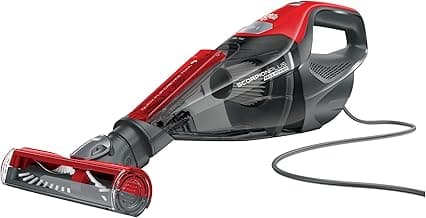
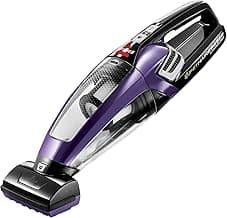
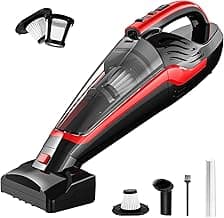
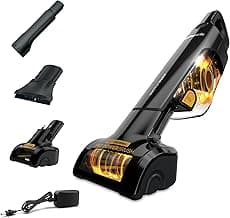
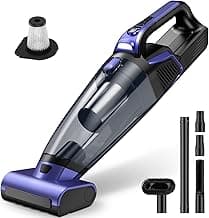
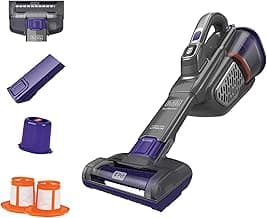
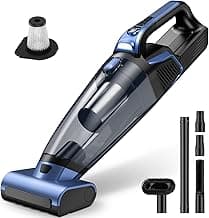
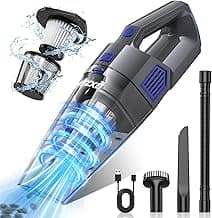
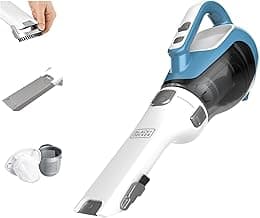
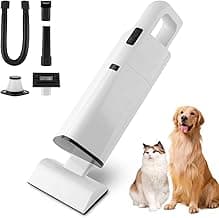
Why Stairs Defeat Standard Vacuum Approaches
Upright vacuums weigh 15-20 pounds—manageable on flat floors but becoming ridiculous burden when lifting step by step while maintaining cleaning position. The weight you barely notice pushing on carpet becomes exhausting lifted repeatedly against gravity, and the back strain from awkward lifting angles accumulates invisibly until the specific pain manifests during tomorrow's attempt standing up from chair or lifting child revealing damage today's cleaning created.
Hose reach from standing position on landing proves inadequate accessing full stair run—you can reach three steps comfortably, four with dangerous stretching, but thirteen-step staircase requires moving canister vacuum multiple times creating start-stop cleaning rhythm that feels like punishment for having multi-story home. The constant repositioning, cord management across stairs creating trip hazards, and general awkwardness transforms simple cleaning into elaborate production discouraging regular maintenance.
Stick vacuums seem logical stair solution until you actually use them—the length that proves advantage on floors becomes liability in confined stair spaces where maneuvering long rigid tools between walls and railings creates constant collision frustration. The vertical orientation that works standing becomes impossibly awkward when kneeling on stairs requiring horizontal approach to tread surfaces. What appeared elegant solution in showroom proves impractical comedy in actual stairwell implementation.
The result: stairs become perpetually-dirty zones getting cursory attention at best—quick sweep with handheld brush, occasional spot-cleaning of visible stains, but never genuine deep extraction embedded dirt receives throughout rest of house. The visibility problem intensifies through traffic concentration—everyone uses stairs multiple times daily, guests traverse them immediately upon entering, and the vertical exposure means dirt shows from multiple angles making inadequate cleaning more obvious than equivalent contamination hidden horizontally on floors. For those watching friends avoiding guests because stair cleanliness embarrasses them despite maintaining house floors well, understanding this challenge demonstrates perceptive empathy. When considering thoughtful gifts for women or practical presents for men managing multi-story homes, equipment addressing this specific frustration point proves more valuable than generic cleaning tools they already own but can't deploy effectively on stairs.
The Unique Physics of Stair Contamination
Stair edges accumulate disproportionate dirt through traffic patterns—feet strike tread edges with each step, grinding dirt into carpet at consistent wear points creating visible lines marking exactly where everyone walks. These edge zones require more aggressive cleaning than tread centers yet prove hardest accessing with any equipment design optimized for flat horizontal surfaces rather than confined angled spaces with hard barriers on three sides.
Risers between treads catch kicked-up debris—ascending stairs creates upward airflow carrying dust and light particles onto vertical riser surfaces where they settle and embed into fabric weave. Standard horizontal vacuuming approach misses these vertical surfaces entirely, allowing contamination accumulation visible from below where guests entering house see dirty risers before even reaching landing. This visibility-from-below dimension makes stair cleanliness matter disproportionately to square footage involved.
Corner and edge crevices where treads meet walls or railings become permanent dirt repositories—these tight angles defeat any vacuum head wider than few inches, and inadequate suction at crevice tool tips leaves debris visible in zones requiring precision rather than broad coverage. The geometric complexity of stairs—horizontal treads, vertical risers, various edge interfaces—demands equipment handling all orientations and access angles versus optimizing for single-plane cleaning standard floor vacuuming involves.
Pet hair on stair carpet proves particularly problematic—shedding animals climbing stairs distribute fur across vertical and horizontal surfaces in patterns no standard vacuum approach addresses comprehensively. The combination of visible vertical riser fur and embedded tread fur requires equipment handling both challenges without user needing to deploy separate tools for different stair surfaces. For comprehensive pet solutions, reference pet hair management approaches for homes where animals and stairs coexist creating compounded cleaning challenges.
Who Actually Needs Dedicated Stair Cleaning Tools
Multi-story homeowners with carpeted stairs: Anyone whose home includes staircase connecting floors—not optional luxury but literal architectural requirement creating cleaning challenge affecting daily life and guest perceptions. The stairs aren't going anywhere, so either you address cleaning them adequately or accept perpetually-dirty traffic zone contradicting efforts maintaining cleanliness throughout rest of house. For friends in two-story homes constantly apologizing for stair appearance despite maintaining floors well, equipment enabling actual stair cleaning demonstrates understanding beyond just acknowledging their frustration.
Parents managing high-traffic family homes: Households where kids, pets, and constant activity generate debris on stairs requiring frequent attention preventing accumulation visible to everyone. The traffic intensity combined with limited time available for elaborate cleaning makes quick-access handheld proving essential rather than optional upgrade. Daily two-minute stair touchup prevents weekly hour-long deep cleaning sessions that never happen because effort required overwhelms motivation.
Those preparing homes for sale or hosting: Homeowners staging property for showings or regularly entertaining where stair appearance affects overall impression. Real estate agents emphasize cleanliness during showings, and stairs connecting entry to main living areas get scrutinized by every potential buyer ascending to bedrooms. The stakes justify equipment investment when dirty stairs potentially costing thousands through reduced sale price or extended market time vastly exceeds modest vacuum expense.
Elderly managing multi-story homes independently: Older adults wanting continuing independent home maintenance despite physical limitations making standard vacuum approaches dangerous through fall risk or excessive physical strain. Appropriate tools enabling continued stair cleaning preserve independence and safety allowing aging in place rather than accepting home maintenance deterioration forcing consideration of single-story moves or assisted living. For aging homeowners specifically, reference accessibility-appropriate solutions prioritizing safety alongside capability.
Essential Capabilities for Stair-Specific Vacuums
Lightweight design proves non-negotiable—under 5 pounds enables one-handed operation while other hand provides stability preventing falls. Anything heavier creates fatigue during extended stair cleaning or proves impossible for users with limited strength managing equipment weight alongside maintaining balance on stairs. The best handheld vacuum for stairs prioritizes portability over maximum suction when those capabilities conflict through engineering constraints making both optimization impossible within reasonable size and weight targets.
Crevice tool capability reaches tight angles where treads meet walls or balusters—these zones concentrate visible dirt proving impossible addressing with standard cleaning heads too wide fitting confined spaces. The attachment must maintain adequate suction at tool tip rather than losing power through length and narrow passage—common problem with cheap crevice tools appearing functional but proving ineffective through air leakage or inadequate design compromising suction before reaching actual cleaning surface.
Brush roll or motorized agitation extracts embedded dirt from carpet pile—simple suction proves adequate for hard surfaces but carpeted stairs require mechanical agitation loosening dirt compressed into fibers through foot traffic. However, aggressive brush action risks edge fraying or pile distortion on stair carpet already stressed through traffic concentration. The engineering balance between adequate agitation and excessive aggression separates quality stair vacuums from designs proving either ineffective or damaging through optimization failures.
Battery runtime exceeding 15-20 minutes enables completing typical residential staircase in single session—thirteen steps requiring approximately minute each including positioning and thorough edge work totals fifteen minutes minimum. Battery dying mid-cleaning creates frustration where stopping and resuming later never actually happens, leaving half-cleaned stairs worse appearing than uniformly-dirty ones would have been. Adequate runtime proves essential rather than technical specification to maximize when actual use demands specific minimum capability.
The Ergonomic Reality of Stair Cleaning
Kneeling position proves most stable and least exhausting—sitting on step with vacuum in lap or held at chest height enables thorough cleaning without dangerous reaching or unstable balancing. However, getting up from kneeling repeatedly proves challenging for anyone with knee problems, limited flexibility, or general aging making floor-to-standing transitions difficult. The ideal stair vacuum enables adequate cleaning from whatever position user can comfortably sustain rather than requiring specific postures some users can't achieve safely.
One-handed operation frees other hand for stability—gripping handrail while vacuuming or bracing against wall prevents falls that multi-story staircase makes genuinely dangerous beyond just embarrassing. The vacuum weight and balance must enable single-hand control without wrist strain from torque or pressure from sustained positioning. Designs requiring two-handed operation prove impractical for stair use regardless of cleaning capability because compromising stability on stairs creates unacceptable injury risk versus floor cleaning where two-handed operation poses no safety concern.
Frequent position changes create repetitive stress—moving equipment between treads, shifting from sitting to kneeling, reaching across to far edge then near edge creates varied motion patterns that appear harmless but accumulate into fatigue or injury over repeated cleaning sessions. The equipment weight and handling characteristics determine whether this remains tolerable or becomes genuinely painful discouraging regular stair maintenance despite visible need and available appropriate equipment.
Breathing and exertion zones matter on stairs—you're necessarily close to cleaning surface in confined space where dust becomes airborne directly into your breathing zone. Quality filtration preventing dust recirculation proves more important for stair cleaning than floor cleaning where you're standing upright somewhat removed from immediate disturbance zone. For respiratory health concerns specifically, explore advanced filtration options addressing air quality alongside surface cleaning.
Corded vs Cordless: The Critical Distinction
Cordless proves overwhelmingly superior for stairs—no cord tangling on railings, catching on feet, or creating trip hazards down stairwell. The mobility freedom enables natural cleaning motion and position changes without managing lifeline simultaneously. However, battery limitations affect capability through reduced suction versus corded equivalents and runtime constraints that might prove inadequate for homes with multiple staircases or extended cleaning sessions including stairwells plus other areas.
Corded handheld vacuums deliver stronger sustained suction—drawing full motor power continuously without battery degradation or charge anxiety. However, cord management on stairs transforms from annoyance into genuine hazard—you're working on elevated uneven surfaces where tripping proves dangerous, and cord positioning behind you or draped over shoulders creates constant awareness demand distracting from cleaning task and stability maintenance. The safety trade-off makes cordless essentially mandatory for primary stair cleaning despite performance compromises.
For gift contexts, cordless proves universally safer recommendation—recipients benefit from mobility without safety compromises corded creates regardless of stronger suction numbers appearing impressive on specifications. The capability difference matters less than usability difference enabling actual deployment versus theoretically-superior equipment that stays unused because operating it safely proves impractical in real stair environment versus controlled floor cleaning where cords prove manageable annoyance rather than safety concern.
The best stair vacuum isn't most powerful—it's whatever enables thorough cleaning without requiring uncomfortable positions, dangerous reaching, or exhausting effort that prevents regular maintenance despite visible need.
Different Stair Configurations Creating Different Challenges
Straight runs of thirteen steps prove straightforward—working systematically from top down or bottom up enables thorough cleaning with predictable positioning. However, landings interrupting runs create awkward transition zones requiring attention while also serving as natural rest points during extended cleaning sessions. The landing carpet or different flooring material might require different vacuum settings or approaches adding complexity to otherwise straightforward linear task.
Curved or spiral staircases introduce geometric complexity—wedge-shaped treads creating wider and narrower sections requiring position adjustments, and curved handrails proving harder using as stabilizing support during cleaning. These architectural features creating aesthetic appeal simultaneously complicate maintenance requiring more maneuverable compact equipment versus straight-run stairs tolerating slightly bulkier designs through simpler geometric demands.
Open-riser stairs common in contemporary designs expose underside of treads creating additional cleaning surface—dust and debris settling on tread undersides visible from below requiring attention standard enclosed stairs don't demand. The equipment must enable cleaning both top and bottom tread surfaces plus riser if present, expanding cleaning scope beyond what traditional stair configuration requires attending.
Basement stairs often feature different carpet or bare wood—sometimes lower-quality materials reflecting less-visible location but accumulating same debris from traffic, storage items, and general basement access creating maintenance needs despite reduced aesthetic concern. The equipment suitable for main stair carpet might prove excessive for basement utility stairs where adequate suffices versus excellent main stair presentation demands.
The Storage and Accessibility Consideration
Wall-mounting near stairs enables grab-and-go cleaning—seeing dirt during normal daily stair traversal and addressing immediately rather than noting "must clean stairs eventually" then forgetting until guests announce arrival creating panic cleaning. The charging station or storage location determines whether equipment actually gets deployed regularly versus sitting in closet despite being theoretically appropriate for task it's purchased serving.
However, wall mounting requires: suitable wall space near stairs, electrical outlet access for charging, willingness drilling into walls, and aesthetic acceptance of visible equipment in potentially formal entryway or upstairs hallway. These barriers prove prohibitive for some households despite obvious convenience benefits. Alternative cabinet storage in hallway closet or linen closet provides accessibility without visible equipment display requiring aesthetic compromise some homeowners reject.
For gift contexts, providing equipment without assuming installation preferences proves wisest—recipients can wall-mount if desired but aren't obligated modifying home for gifted equipment. Some people love visible convenience, others prefer concealed storage—neither preference proves wrong, just different priorities around convenience versus aesthetics that gift-giver shouldn't presume knowing better about than recipient whose home and values determine appropriate balance.
Pet Hair Compounds Every Stair Challenge
Shedding animals climbing stairs daily distribute fur across every surface—tread carpet, vertical risers, horizontal landings—creating comprehensive contamination requiring equipment handling all orientations rather than just horizontal tread cleaning standard approaches focus on. The visibility of hair on vertical risers proves particularly problematic because fur shows starkly against fabric where horizontal accumulation might blend into texture appearing less obvious until excessive buildup occurs.
Long-haired breeds create tangling challenges on stair carpet—hair wrapping into brush rolls or clogging narrow crevice tools designed for tight stair angles. The best handheld vacuum for carpet stairs in pet households requires anti-tangle engineering preventing hair accumulation creating maintenance burden or performance degradation through mechanisms designed for general debris proving inadequate for pet-specific challenges. For comprehensive pet considerations, reference pet hair solutions addressing fur across various home areas.
Pet dander embedding in stair carpet creates allergen concentration in high-traffic area where everyone contacts contaminated surfaces during normal stair use—hands gripping railings, clothing brushing against carpet, and breathing zone proximity during climbing creating exposure beyond what floor allergens present. The allergy implications make thorough stair cleaning health intervention rather than just housekeeping when pet owners or guests manage respiratory sensitivities requiring environmental control.
When Budget Constraints Meet Stair Reality
Basic handheld vacuums ($30-60) provide adequate capability for small staircases or light use—college students in split-level apartments, occasional guest bedroom stair maintenance, or supplementary tool for daily touchup between deeper cleaning with more capable equipment. These prove cost-effective when usage intensity stays modest and cleaning demands remain reasonable versus sustained intensive application budget equipment can't survive.
Mid-range handheld options ($80-150) deliver genuine stair capability—adequate suction, reasonable battery life, and build quality surviving regular use. The best handheld vacuum for carpeted stairs typically occupies this tier, balancing performance with affordability creating value proposition serving most households without premium features providing marginal improvement at substantial cost increase. For gifting purposes, this range proves appropriate for most relationships without appearing cheap or excessive depending on relationship depth.
Premium handheld vacuums ($180-300+) add extended runtime, superior suction, advanced filtration, and premium build materials. These justify cost for large homes with multiple staircases, allergy sufferers needing genuine sealed filtration, or recipients demonstrating equipment enthusiasm and proper maintenance justifying investment in maximum capability. However, premium pricing creates gift awkwardness for some relationships making mid-range adequacy serve satisfaction better despite inferior specifications.
For budget-conscious gifting where stair cleaning proves genuine need, quality mid-range handheld outperforms attempting full-size vacuum approaches creating frustration and danger versus modest capability that actually gets used regularly. The value equation favors appropriate tool used frequently over theoretically-superior equipment that stays unused because deploying it proves impractical for specific stair application despite excellence on floors.
Attachment Ecosystem: What Actually Matters
Motorized brush tool extracts embedded dirt from tread carpet—simple suction nozzles prove adequate for hard surfaces or very-low-pile carpet but deeper pile common on residential stairs requires mechanical agitation loosening compressed debris. However, brush attachments must remain narrow fitting between stair edges and railings—standard full-width floor tools prove impossibly wide for confined stair spaces requiring compact designs maintaining capability within geometric constraints stairs create.
Crevice tools reaching tread-wall junction require adequate length accessing corners while maintaining suction at tip—short crevice attachments prove useless for stair edge work, long attachments lose suction through air leakage in cheap designs, creating Goldilocks problem where only quality mid-length tools provide adequate reach and maintained suction enabling effective edge cleaning. The attachment quality separates functional systems from frustrating equipment appearing comprehensive but proving inadequate through poor design execution.
Dusting brush attachments suit riser cleaning—soft bristles preventing fabric damage while sweeping dust and hair from vertical surfaces requiring gentler approach than aggressive tread cleaning. However, attachment switching during stair cleaning proves annoying—reaching interruption point requiring tool change, finding attachment you stored somewhere, swapping tools while balanced on stairs, then resuming cleaning creates friction discouraging thorough approach utilizing appropriate tools for different surfaces versus just using whatever attachment's currently connected accepting suboptimal results for convenience.
The Maintenance Burden Reality
Stair-specific handheld vacuums require more frequent maintenance than floor equipment—the concentrated use on single task versus distributed use across entire home means accumulated hair, dust, and debris in smaller equipment capacity creating more frequent emptying and cleaning requirements. Someone vacuuming stairs twice weekly empties handheld unit twice weekly versus canister vacuum serving whole house potentially going week between emptyings despite more total usage through dust distributed across larger capacity.
Battery maintenance affects cordless longevity—keeping equipment charged and stored at appropriate temperatures extends battery life, while neglect accelerates degradation reducing runtime creating frustration when equipment that initially covered full staircase plus landing eventually manages only partial completion before requiring recharge. For recipients unlikely maintaining charging discipline, corded becomes surprisingly practical despite mobility limitations because it eliminates battery management entirely through accepting cord compromise.
Filter cleaning frequency increases with use intensity—stair-focused equipment facing concentrated application requires more attention than general-purpose tools where maintenance intervals design around distributed whole-home use patterns creating longer periods between required service. Communicating this elevated maintenance requirement prevents recipients concluding equipment failed when it simply needs routine cleaning their previous general-purpose vacuum required less frequently creating different maintenance expectation baseline.
Gift Timing Demonstrating Attentive Understanding
After observing stair cleaning struggles: Watching friends attempting stairs with full-size vacuum, hearing complaints about stair cleanliness despite effort, or noticing visibly dirty stairs they clearly find frustrating but lack appropriate tools addressing. Recognition of specific observed problem demonstrates attentiveness to their daily challenges beyond just generic gift-giving disconnected from actual needs you've witnessed directly.
Moving into multi-story home: Someone relocating from single-story apartment or ranch house into two-story property discovering stair cleaning challenge they've never faced. Timing gift to move acknowledges new reality their housing change created while providing immediate solution preventing patterns developing around inadequate tools or neglected stairs through lacking appropriate equipment from day one in new home.
After stair renovation or new carpet: When someone invests in new stair carpet or refinishes stairs deserving proper maintenance protecting investment. Equipment gift positions as investment protection rather than random household item—supporting their decision to upgrade while enabling them preserving quality through appropriate ongoing care rather than watching new surfaces deteriorate through inadequate maintenance damaging fibers over time. For related home improvement support, explore milestone gifts acknowledging life changes.
When mobility changes affect cleaning ability: After injuries, surgeries, or aging making previous stair cleaning approaches dangerous or impossible. Appropriate equipment enabling continued independent home maintenance preserves autonomy and safety allowing recipients managing their homes despite physical changes that would otherwise force accepting help or neglecting areas they can no longer access safely using previous methods.
Reading Reviews for Stair-Specific Performance
Filter reviews explicitly mentioning stair use—general handheld vacuum reviews focus on car cleaning, furniture maintenance, or quick spills rather than sustained stair carpet cleaning creating different stress patterns and revealing different performance characteristics. Stair-specific reviews reveal whether equipment survives regular intensive use rather than just occasional convenience cleaning design optimizations target.
Ergonomic complaints deserve attention—reviews mentioning wrist fatigue, awkward positioning requirements, or difficult one-handed operation indicate equipment design failing stair-specific ergonomic demands despite perhaps working fine in standard handheld applications. These specific limitations predict recipient satisfaction better than general positive reviews from users never deploying equipment on stairs where geometric and stability constraints create unique requirements.
Battery runtime complaints become critical for stair applications—equipment rated "15 minutes" that reviewers report "barely finishes short staircase before dying" reveals gap between manufacturer testing and real-world capability under actual sustained use conditions. Pattern recognition across multiple reviews mentioning insufficient runtime specifically for stair cleaning validates whether specifications prove adequate or whether real-world performance disappoints despite impressive numbers.
Stair cleaning doesn't get easier with practice—it gets abandoned without appropriate tools making the inherently difficult task adequately manageable versus overwhelmingly frustrating.
When Stair Cleaning Proves Beyond DIY Solutions
Professional carpet cleaning services include stair extraction—periodic deep cleaning removing embedded dirt handheld equipment can't reach despite regular surface maintenance. This supplementary professional attention prevents progressive stair dinginess developing over years when daily handheld maintenance proves adequate for surface but insufficient for deep pile contamination requiring commercial extraction capability residential equipment can't provide.
Some architectural configurations prove inherently difficult cleaning—extremely steep stairs, narrow curved staircases, or split-level designs creating complex cleaning choreography proving exhausting or dangerous regardless of equipment quality. These situations might justify reconsidering carpet on stairs entirely, accepting professional-only cleaning, or acknowledging limitations requiring compromise approaches versus expecting perfect maintenance matching what achievable on straightforward straight-run stairs.
Physical limitations preventing stair access entirely make cleaning assistance necessary—hiring help or accepting family assistance proves wiser than risking injury attempting stair cleaning despite physical capabilities inadequate for task regardless of equipment appropriateness. No vacuum solves problem when user physically can't safely work on stairs, making equipment gift potentially inappropriate when care assistance proves actual need beyond just better tools.
Alternative Approaches When Handheld Proves Inadequate
Canister vacuums with long hoses enable top-down stair cleaning—positioning canister at landing and using hose/wand accessing stairs below eliminates lifting equipment's weight repeatedly. However, this requires canister light enough carrying to landing and hose long enough reaching full stair run without repositioning—specifications proving adequate for some configurations while inadequate for others depending on specific stair layout and equipment capabilities.
Robot vacuums claiming stair capability prove largely marketing fantasy—the edge detection preventing falls also prevents actually cleaning near edges where dirt concentrates, and navigation challenges on confined stairs create unreliable performance versus promised automated convenience. While technology continues advancing, current consumer robot vacuums prove inadequate for genuine stair maintenance despite manufacturers suggesting otherwise through misleading capability claims.
Manual stair sweepers and carpet rakes provide low-tech alternatives—physical agitation and sweeping removing surface debris without power requirements or equipment cost. For someone philosophically opposed to equipment accumulation or living off-grid without convenient charging access, these manual approaches prove viable despite requiring more physical effort and delivering less thorough results than powered extraction achieves. When exploring comprehensive floor care, reference multi-surface solutions for homes where stairs represent just one component of complete cleaning needs.
The Complete Stair Maintenance System
Stair runners or carpet protectors in high-traffic zones reduce contamination reaching actual stair carpet—removable for washing or replacement without requiring deep carpet cleaning addressing embedded contamination. However, runners alter aesthetic and create their own maintenance requirements plus potential trip hazards if not properly secured, making this prevention approach unsuitable for some households despite obvious practical benefits.
No-shoes-upstairs policies dramatically reduce stair contamination—preventing outdoor debris from ever reaching stairs rather than attempting removal after tracking occurs. However, this requires household buy-in and guest compliance proving difficult enforcing when cultural norms or guest comfort prioritizes shoes-on access. The effectiveness of prevention depends on consistent adherence family and guests might not maintain despite obvious contamination reduction benefits.
For gift contexts involving comprehensive stair care, pairing vacuum with complementary solutions—stair treads, appropriate cleaning solutions, or carpet spot cleaners—creates complete system addressing various maintenance aspects rather than just primary vacuuming task. However, avoid overwhelming recipients with unsolicited systems when they've requested specific tools—comprehensive only proves helpful when recipient demonstrates interest in complete approach rather than just solving immediate pressing vacuum inadequacy.
Long-Term Value: What Sustained Use Reveals
Quality stair vacuums delivering 3-5 years regular service justify investment through thousands of cleaning sessions over ownership period—calculating per-use cost reveals even $150 equipment costing pennies per session when deployed twice-weekly over multi-year lifespan. However, this value requires actual sustained use rather than equipment sitting unused making per-use calculation infinity regardless of how theoretically appropriate equipment seemed during purchase decision.
Stair appearance improvements affect overall home perception—guests ascending to bedrooms notice stair condition before reaching beautiful rooms above, making stair cleanliness disproportionately important to square footage involved. Proper equipment enabling maintained stair appearance delivers value beyond just cleaning convenience through affecting whole-home impression guests form during visits. This psychological dimension proves difficult quantifying but genuinely affects how comfortable homeowners feel inviting guests versus avoiding entertaining due to embarrassment about visible stair contamination they can't adequately address.
Physical preservation through appropriate tools prevents injury—avoiding dangerous stretching, unstable balancing, or excessive lifting protects users from falls or repetitive stress injuries that emergency room visits or chronic pain treatments cost far more than modest vacuum investment would have prevented. The safety value justifies equipment expense when viewed as injury prevention rather than just cleaning convenience, particularly for elderly or mobility-limited users where falls prove genuinely dangerous beyond just inconvenient.
Success Metrics Beyond Initial Enthusiasm
Success involves visible stair cleanliness improvement persisting months after gift—not just initial burst of enthusiasm creating temporarily-clean stairs followed by return to previous neglect patterns because equipment proved inadequate despite initial good intentions. Sustained behavioral change indicates gift solved real problem versus just creating momentary enthusiasm that faded when reality of actual use revealed limitations or incompatibilities initial excitement masked.
Positive indicators include: visibly cleaner stairs noticed during visits, unprompted mentions about how much easier stair cleaning became, or recipient reporting addressing stairs regularly now versus previously avoiding task. Negative indicators: equipment stored inaccessibly suggesting disuse, stairs remaining visibly dirty despite equipment availability, or comments about equipment proving harder to use than expected suggesting ergonomic or capability mismatches between equipment and actual needs.
For uncertain gift scenarios, explicit return flexibility reduces obligation: "If this doesn't work comfortably for your stairs or your physical situation, absolutely exchange for something better suited." This enables honest assessment without guilt about returning thoughtful gift that seemed appropriate but proved incompatible with recipient's specific circumstances discovered only through attempted use revealing limitations or challenges selection process couldn't anticipate.
The Psychological Dimension of Stair Neglect
Visible dirty stairs create disproportionate stress—every time you climb stairs you confront your own housekeeping failure, every guest visiting sees evidence of neglect regardless of how well you maintain rest of house. This constant visual reminder creates guilt and embarrassment affecting how comfortable you feel in your own home and whether you freely invite guests versus making excuses avoiding entertaining due to shame about condition of area everyone must traverse.
For gift-givers, equipment enabling stair cleaning addresses emotional burden alongside practical task—reducing stress source affecting recipient's relationship with their home and their comfort hosting guests or having family visit. This psychological relief proves valuable beyond just cleaner stairs, affecting quality of life in ways quantitative cost-benefit analysis fails capturing but recipients genuinely appreciate when finally able maintaining areas previously causing recurring distress.
The gift demonstrates understanding beyond surface observation—recognizing that stair complaints or visible neglect likely stems from inadequate tools rather than insufficient effort or poor housekeeping values. This empathy distinguishing between capability and character proves meaningful to recipients who might feel judged for dirty stairs when reality involves lacking appropriate equipment enabling adequate maintenance despite genuine desire maintaining cleanliness throughout home including challenging areas standard approaches fail serving.
When Equipment Gifts Address Deeper Needs
Aging parents maintaining family homes independently often struggle with stair cleaning as physical capabilities change. Equipment gifts enabling continued independent maintenance preserve dignity and autonomy, delaying or preventing need for care assistance or housing changes. The vacuum represents more than cleaning tool—it's assertion of capability and independence mattering deeply to those resisting accepting help or admitting limitations that aging naturally creates.
New homeowners discovering multi-story living challenges appreciate tools enabling success in unfamiliar territory. Their previous apartments or single-story homes never required stair cleaning solutions, and their uncertainty about appropriate approaches makes thoughtful equipment gifts particularly valuable. The gift provides immediate practical solution while building confidence in their ability managing new home's requirements successfully versus feeling overwhelmed by unfamiliar maintenance demands.
Anyone experiencing "house shame" around cleanliness benefits when appropriate tools enable addressing sources of embarrassment. Dirty stairs prove visible failure affecting self-perception and social comfort—proper equipment removing this stress source delivers psychological benefit far exceeding vacuum's functional utility. For these recipients, equipment proves intervention enabling them feeling good about their homes again rather than just making cleaning slightly easier.
Gifts are for making an impression, not just for the sake of it.
GiftsPick - Meticulous, Kind, Objective.