


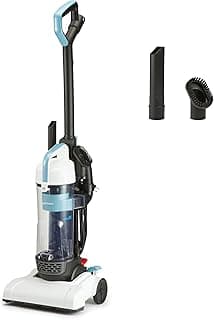
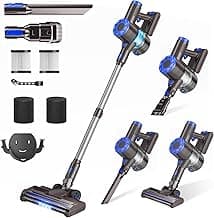
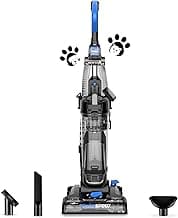
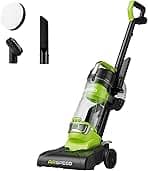
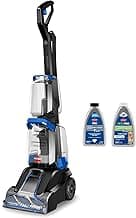
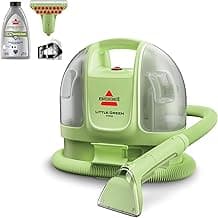
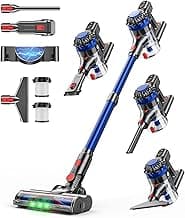
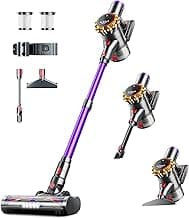
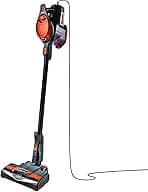
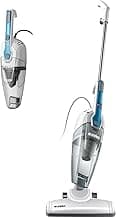
Who Budget Carpet Vacuums Actually Serve
First apartment carpet cleaners: Young adults in small rentals with builder-grade low-pile carpet needing basic maintenance until they move somewhere better. The vacuum serves temporary situation—performing adequately for limited duration before disposal during next move. Budget aligns with temporary need rather than long-term investment for permanent housing situation. When exploring practical gifts for young men or women establishing independence, matching tool quality to housing permanence demonstrates judgment.
Backup vacuum for quick access: Homeowners with quality primary vacuums wanting second unit stored accessibly for quick daily maintenance between deep cleaning sessions. Budget equipment handles light use without justifying premium investment for supplementary role. The frequency limitation becomes feature—daily light cleaning preventing accumulation requiring deep extraction primary vacuum provides weekly.
Specific room solutions: Someone needing vacuum only for bedroom or small area where full-size equipment proves excessive. The limited coverage area aligns with budget equipment's limited capability—small spaces prevent motor overheating, minimal dirt volume stays within capacity constraints, and single-room use avoids exposing design weaknesses larger homes would reveal immediately.
Temporary housing situations: Military families, corporate relocations, or anyone whose housing stability doesn't justify equipment investment. Budget vacuum serves immediate need without creating attachment or loss when circumstances require abandoning possessions during moves. The disposability proves appropriate rather than wasteful when situation demands accepting equipment as truly temporary.
The Carpet Type Reality
Low-pile commercial carpet responds adequately to budget vacuums—firm backing and short fibers requiring minimal suction and agitation for visible cleaning. Apartment and condo carpet typically falls into this category, making budget equipment genuinely appropriate for many rental situations despite limitations that would prove problematic on different surfaces.
Medium-pile residential carpet challenges budget capability—requiring more aggressive brush action and stronger suction than budget motors sustain. Surface cleaning occurs, but dirt works deeper into pile over time creating progressive dinginess no amount of budget vacuuming reverses. Homeowners choosing this carpet for comfort and aesthetics need equipment matching their flooring investment, not contradicting it through inadequate maintenance.
High-pile plush carpet defeats budget vacuums entirely—thick pile overwhelming weak suction, soft backing providing insufficient resistance for brush action, and fiber density hiding inadequate cleaning until damage becomes visible. Anyone with thick plush carpet shopping budget vacuums proves fundamentally mistaken about equipment requirements regardless of which budget model they select. For comprehensive carpet solutions, explore proper multi-surface options.
Berber and loop carpet creates specific challenges—loops catching cheap brush rolls creating pulls, unraveling, or equipment jams. Budget vacuums lacking height adjustment or using aggressive brushes potentially damage Berber rather than clean it. Anyone with this specific carpet type needs either adjustable height equipment or professional-grade tools budget pricing categorically excludes accessing.
Durability: The Honest Timeline
Budget carpet vacuums last 12-24 months under typical use—longer if used gently and infrequently, shorter under daily intensive application. This lifespan reflects design economics, not quality control failure. Manufacturers engineer to price point knowing equipment won't survive years but targeting buyers replacing frequently regardless of premature failure versus natural end-of-life.
Common failure modes include: motors burning out from overheating during sustained use, brush rolls seizing from bearing failure, plastic attachments cracking from material brittleness, and belts stretching or breaking from inadequate tension systems. These aren't random defects but predictable wear patterns when cheap materials face real-world stress. Understanding failure timeline prevents surprise when $80 vacuum dies after 18 months of regular use.
The replacement cycle economics matter—replacing $100 vacuum every 2 years costs $50 annually. Quality $300 vacuum lasting 8 years costs $37.50 annually plus delivering vastly better cleaning throughout ownership. Budget proves expensive long-term unless situation truly temporary making disposal timeline align with natural replacement need rather than premature failure.
For gift contexts, this durability consideration affects presentation—gifting known-temporary equipment to someone in transitional housing proves thoughtful. Gifting disposable equipment to homeowner expecting years of service proves either ignorant or insulting depending on whether giver understands quality implications of budget choice. Context determines whether budget proves appropriate or inappropriate regardless of recipient's financial situation.
Cheap isn't always expensive—but it often is when temporary solutions get applied to permanent situations requiring sustained performance cheap engineering can't deliver.
What You're Trading for Price
Corded reliability versus cordless convenience—budget cordless vacuums prove nearly useless for carpet, while corded budget options deliver adequate performance within severe limitations. The battery systems in sub-$100 cordless equipment prove so poor that corded becomes non-negotiable choice despite inconvenience. Anyone considering budget cordless for carpet should just accept inadequacy or increase budget enabling actual capability.
Weight versus power—budget uprights prove heavy despite weak motors because cheap materials require more mass achieving adequate structural strength. The weight exhausts users during extended cleaning sessions, creating abandonment risk when cleaning feels like workout. Lighter budget sticks sacrifice what little carpet capability budget uprights manage, making weight-power trade-off unavoidable within price constraints.
Dust capacity versus footprint—smaller bins requiring frequent emptying or larger cheap vacuums storing awkwardly. Budget engineering can't optimize both simultaneously, forcing choice between interruption frequency or storage inconvenience. Neither option proves satisfactory, just differently annoying depending on which frustration user tolerates better.
Noise versus suction—budget vacuums achieve barely-adequate suction while generating 75-80 decibels, rivaling mid-range equipment noise without corresponding performance. The motor inefficiency creating noise doesn't translate into cleaning power, just wasted energy becoming sound instead of useful work. Accepting noise proves mandatory in budget segment rather than variable to optimize.
When Budget Proves False Economy
Homes exceeding 800 square feet of carpet need equipment budget vacuums can't provide—motors overheating before completing cleaning, dust bins filling multiple times per session, and user exhaustion from equipment weight and inefficiency. The time waste and frustration cost more than price difference to adequate equipment would cost over reasonable ownership period.
Pet households generate hair volume and cleaning frequency budget equipment can't sustain. Weekly deep cleaning plus daily maintenance demands capability and durability budget designs don't possess regardless of pet-specific marketing claims. Anyone with shedding animals shopping budget vacuums proves fundamentally mistaken about requirements. For pet-specific needs, reference appropriate solutions.
Allergy sufferers require sealed systems and genuine filtration budget equipment economically can't provide. The dust recirculation budget vacuums create potentially worsens symptoms versus not vacuuming at all—making equipment literally counterproductive for health-motivated cleaning. This population should save longer for proper equipment rather than buying budget options actively harming health goals motivating purchase.
Homeowners viewing purchase as permanent solution make fundamental error—budget equipment proves temporary regardless of buyer intentions. Anyone expecting 5+ year service from sub-$100 carpet vacuum either doesn't understand engineering economics or operates in fantasy world disconnected from material reality. Budget serves temporary needs, never permanent ones regardless of wishful thinking.
Gift Appropriateness Considerations
Budget vacuums prove appropriate gifts for explicitly temporary situations—dorm rooms, first apartments, short-term housing—where recipient knows equipment serves immediate limited need rather than long-term permanent solution. The price communicates understanding of temporary context rather than suggesting recipient's permanent needs deserve only budget attention.
However, gifting cheap equipment risks feeling insulting when recipient faces permanent needs—homeowners, established households, or anyone whose situation demands sustained equipment performance. The budget choice might seem economical to giver while feeling like statement about recipient's worth or situation to receiver. Relationship depth and context determine whether budget proves thoughtful or potentially offensive.
For recipients explicitly requesting budget options—students, those avoiding expensive gifts, or minimalists limiting possessions—honoring stated preferences shows respect. However, verify request reflects genuine preference versus discomfort expressing actual needs or downplaying desires to avoid burdening gift-giver. Sometimes stated budget preferences mask hopes for better that politeness prevents expressing directly.
Pooling resources for quality equipment sometimes serves better than individual budget gifts—group contribution enabling capability individual budgets can't achieve. This proves particularly valuable for milestone occasions where multiple people wanting to contribute meaningfully together can fund genuinely useful equipment individual budget gifts couldn't provide. Coordination requires effort but delivers disproportionate value versus fragmented budget attempts.
Reading Budget Reviews Critically
Five-star budget reviews often reflect low expectations or limited comparison basis—first vacuum ownership, upgrading from genuinely terrible equipment, or use patterns not testing capability limits. These reviews provide less useful information than three-star reviews explaining specific limitations discovered through sustained use revealing whether compromises prove tolerable for particular situations.
Durability complaints in budget reviews deserve particular attention—multiple mentions of identical failure modes indicate predictable problems versus individual bad luck. Pattern recognition reveals whether specific model proves unusually reliable for budget segment or represents typical disposable quality characterizing entire price range regardless of brand or specific model.
Use-case matching matters more than star ratings—someone praising budget vacuum for 400 square foot apartment provides relevant data for similar situations while offering zero useful information for 2,000 square foot home shoppers. Filter reviews matching actual space size and carpet type rather than accepting generic "works great" claims lacking context creating satisfaction or revealing limitations.
Success Metrics for Budget Vacuum Gifts
Success for budget vacuums involves managing expectations—not delivering excellent results but providing adequate functionality for specific limited scenarios at acceptable cost. Satisfaction comes from reality matching modest expectations rather than equipment exceeding hopes through unexpected capability budget engineering rarely achieves.
Positive indicators include: recipient using equipment regularly for intended limited purpose, expressing satisfaction with cost-to-capability ratio, or explicitly stating budget option served their temporary situation appropriately. Negative indicators: complaints about limitations reviews predicted, rapid failure suggesting quality issues, or recipient expressing regret about not receiving better equipment initially.
For gift contexts, budget vacuums work when explicitly addressing temporary needs or matching recipient's stated preference minimizing gift expense. They backfire when appearing cheap relative to relationship depth, suggesting insufficient thought about actual needs, or when recipient genuinely required capability budget categorically can't provide regardless of good intentions behind cost-conscious selection attempting to balance helpfulness with avoiding expensive gift discomfort.
Gifts are for making an impression, not just for the sake of it.
GiftsPick - Meticulous, Kind, Objective.