
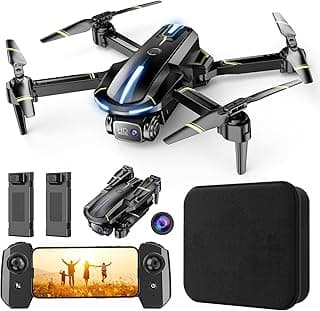
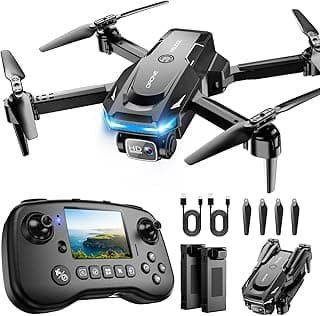
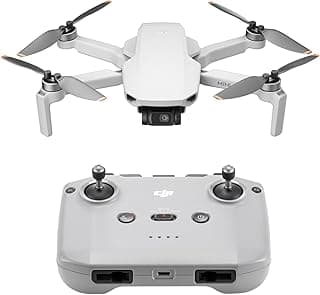
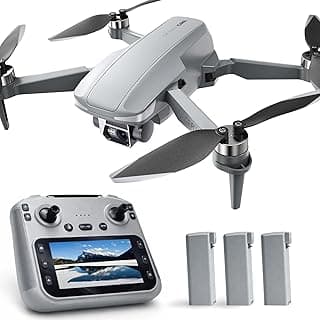
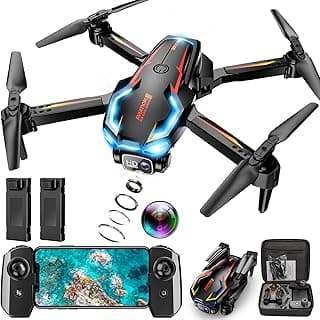
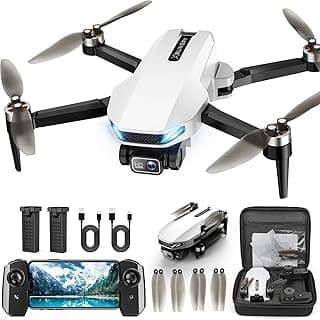
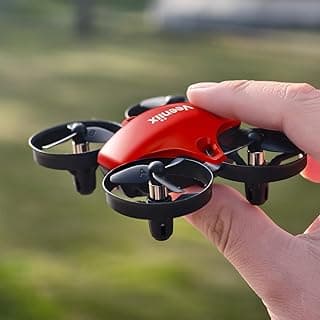
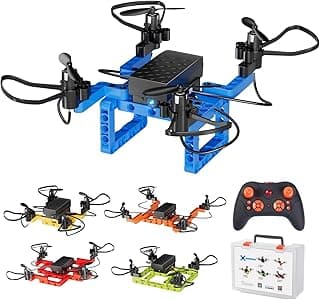
Gifting a high-end electronic device represents more than a financial transaction; it is an investment in the recipient's creative potential. When searching for the best drone available, a discerning gift-giver must look past flashy marketing to understand the mechanical integrity and software stability of the craft. In an era where consumer electronics are often designed for planned obsolescence, selecting a drone that balances high-fidelity imaging with modular repairability is essential for ensuring the gift remains functional for years to come.
From an engineering perspective, a drone is a complex marriage of aerodynamics, battery chemistry, and signal processing. Whether the recipient is an aspiring cinematographer or what is someone that loves technology, the choice hinges on how well the hardware handles physical stress. We avoid labels like "perfect" or "unbeatable," because every flight platform involves trade-offs between weight, battery life, and sensor size. A lightweight drone may bypass certain registration requirements, but its lack of mass makes it susceptible to wind-induced vibrations, which digital stabilization can only partially mask.
When considering how-to-come-up-with-good-gift-ideas for birthdays or milestones, a high-quality aerial platform stands out because it offers a literal change in perspective. However, the "best" choice is dictated by the environment in which it will be used. A professional-grade hexacopter is a poor gift for a city dweller, just as a toy-grade quadcopter will frustrate someone living in a windy coastal region. True value lies in matching the technical specifications to the user's living conditions and mechanical aptitude.
Gifting tech is about more than specifications; it is about upgrading the recipient's window to the digital world, ensuring every frame is a testament to quality.
To assist in this selection process, we have categorized the primary technical variables that define the best drone available for different user profiles in the table below:
| Feature | Ultralight (Under 250g) | Prosumer Grade | FPV (First Person View) |
|---|---|---|---|
| Motor Type | Miniature Brushless | High-Torque Brushless | Racing-Spec High KV |
| Sensor Resolution | 1/1.3-inch CMOS | 1-inch to Full Frame | Low-Latency Analog/Digital |
| Obstacle Avoidance | Downward Only or Tri-Dir | Omnidirectional Sensors | Manual Control Only |
| Typical Application | Travel & Casual Use | Cinematography | Acrobatic/Sport Flight |
For those looking for the best gift ideas for him, particularly if he enjoys outdoor exploration, an best aerial drone provides a unique way to document adventures. However, one must consider the Principle of Buy It For Life (BIFL). Most consumer drones use lithium-polymer (LiPo) batteries, which naturally degrade after 200 to 300 charge cycles. A gift is only as good as its longevity; therefore, we recommend looking for models with readily available replacement batteries and modular propeller guards. Avoid machines with permanently sealed plastic chassis that prevent basic maintenance or sensor recalibration.
The "hidden costs" of drone ownership are often ignored in standard reviews. These include high-speed microSD cards capable of handling 4K write speeds, neutral density (ND) filters for daytime filming, and potential insurance or registration fees. Educating the recipient on battery storage—keeping cells at approximately 50% charge when not in use—will significantly extend the lifespan of the gift. A best 4k drone is a significant investment, and its mechanical health depends entirely on user discipline and hardware quality.
For younger recipients or beginners, the best 1080p drone might seem like a safe starting point, but we caution against ultra-budget models. Often, these cheaper units lack GPS-locked hovering, meaning the pilot must constanty fight to keep the craft stationary. This leads to a higher probability of crashes and a shorter lifespan for the gift. Investing in best quality drones that feature "Return to Home" (RTH) functionality and redundant satellite connectivity is a better strategy for ensuring the recipient doesn't end their first flight with a broken device.
If you are planning for the holidays and seeking the best gifts for xmas, consider the noise floor of the device. High-pitched propeller noise can be a nuisance in residential areas. Many modern high-end drones utilize "low-noise" propellers with a specific rake angle and tip design that shifts the acoustic frequency away from the human ear's most sensitive range. This technical detail can be the difference between a gift that is used frequently and one that is relegated to the closet to avoid neighbor complaints.
| Technical Component | Impact on Performance | Maintenance Requirement |
|---|---|---|
| Gimbal Assembly | Determines image stability in wind. | Regular calibration and dust removal. |
| Transmission Protocol | Controls signal range and video lag. | Firmware updates to ensure security. |
| Electronic Speed Controller | Regulates motor power and efficiency. | Heat management during long flights. |
Choosing the best drone available also requires an understanding of the software ecosystem. A drone is essentially a flying computer. If the manufacturer does not provide regular firmware updates to address bugs or new "No Fly Zone" (NFZ) regulations, the hardware becomes a liability. We prioritize brands that have a proven track record of supporting their older models for at least three to five years. This commitment to software longevity is a hallmark of an expert-grade gift.
Finally, we must address user empathy. For those with limited dexterity, a drone with a "trigger-free" controller and high-quality automated flight modes is essential. For those living in small apartments, a folding design is not just a convenience—it is a requirement for the gift to be practical. By focusing on these specific user needs, you can transform a high-tech gadget into a meaningful tool for exploration and art.
Frequently Asked Questions
Is the most expensive drone always the best for a beginner?
No, because excessive complexity can lead to pilot error and overwhelming maintenance requirements. While expensive drones offer better sensors, a beginner is often better served by a mid-range model that prioritizes automated safety features and ease of use over cinematic bitrate.
Do I need to buy extra batteries immediately?
Yes, most standard drone batteries only provide 20 to 30 minutes of flight time under ideal conditions. In real-world scenarios with wind and safety margins, this often translates to 15 to 20 minutes of usable airtime, making at least two additional batteries necessary for a satisfying experience.
Can a drone be repaired if it crashes?
Only if the model is designed with modularity in mind. Professional-grade drones often have replaceable arms, motors, and camera modules, whereas budget-tier "unibody" drones are typically unrepairable if the frame cracks, essentially making them disposable items.
Are 4K cameras necessary for casual hobbyists?
Standard 4K resolution is now the baseline for most viewing devices, including modern tablets and televisions. While 1080p is sufficient for social media, 4K provides the necessary pixel density for cropping and stabilizing footage in post-production without significant quality loss.