
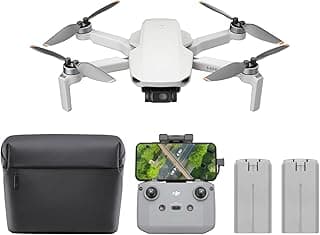
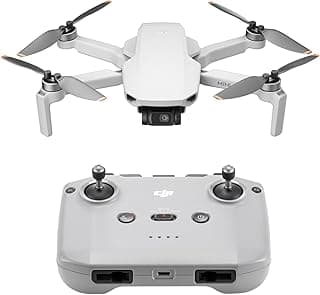
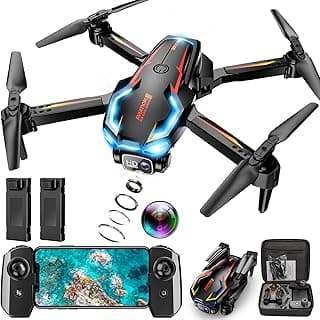
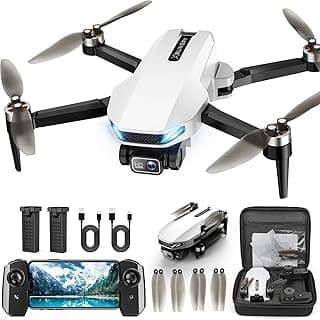
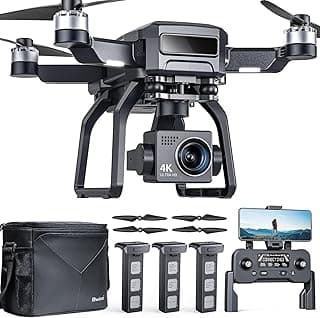
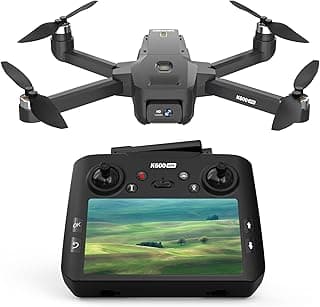
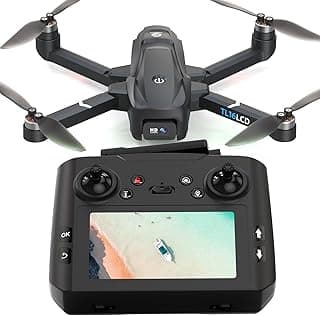
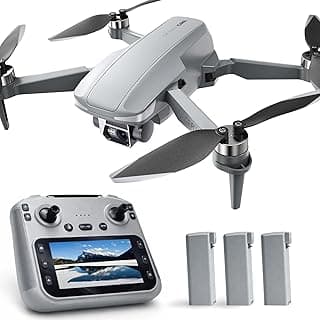
From a mechanical engineering perspective, the performance of an aerial imaging platform is dictated by the laws of physics—specifically sensor size, gimbal stability, and propulsion efficiency. A common pitfall in the consumer market is the reliance on digital interpolation to mask hardware inadequacies. To ensure the recipient receives a truly professional-grade experience, one must prioritize physical sensor dimensions. A 1-inch CMOS sensor, for instance, provides a significant leap in dynamic range and low-light performance compared to the standard 1/2.3-inch sensors found in budget models. This technical distinction is crucial for anyone identifying as what is someone that loves technology, as they will appreciate the nuances of color depth and signal-to-noise ratios.
Gifting tech is about more than specifications; it is about upgrading the recipient's window to the digital world, ensuring every frame is a testament to quality.
The stability of the image is the secondary pillar of aerial photography. Even the highest resolution sensor is rendered useless if the airframe is plagued by vibrations or if the three-axis gimbal lacks the precision to counteract high-altitude wind gusts. For those seeking the best professional drone, look for systems that utilize brushless motors with high-torque feedback loops. These systems can maintain a level horizon even during aggressive maneuvers, ensuring that the final output remains cinematic rather than amateurish. When evaluating these devices as best gift ideas for him, consider the environment where he will most likely fly; mountainous or coastal regions demand superior wind resistance ratings (Beaufort Scale 5 or higher).
| Technical Variable | Entry-Level (Hobbyist) | Mid-Tier (Enthusiast) | Premium (Professional) |
|---|---|---|---|
| Sensor Type | 1/2.3-inch CMOS | 1-inch CMOS | Micro 4/3 or Full Frame |
| Max Resolution | 4K at 30fps | 5.4K or 4K at 60fps | 8K or Apple ProRes 422 HQ |
| Transmission Range | 4-6 km | 10-12 km | 15+ km (OcuSync 3.0+) |
| Flight Duration | 25-30 mins | 31-40 mins | 40+ mins |
A critical component often overlooked in the initial excitement of gifting is the "Buy It For Life" (BIFL) philosophy. Modern electronics are frequently designed with planned obsolescence in mind, characterized by permanently welded plastic casings and non-replaceable components. To avoid this, a strategic buyer should look for modularity. The best drone for aerial photography is one where the propellers can be swapped in seconds, the batteries are easily accessible, and the firmware is supported by long-term security updates. Furthermore, the longevity of the device is tied to battery chemistry. Lithium-polymer (LiPo) batteries are consumables that degrade over hundreds of cycles; therefore, choosing a brand with widely available third-party or official replacements is essential for long-term ownership.
For younger recipients, such as those exploring the best gift ideas for teens, the focus shifts slightly toward safety and ease of use. Intelligent flight modes—such as automated "Point of Interest" or "ActiveTrack"—allow the user to focus on framing the shot while the onboard computer handles the complex aeronautical maneuvers. A best 4k drone with omnidirectional obstacle sensing is a prudent investment, as it significantly reduces the likelihood of catastrophic failure during the learning curve. These safety features are not "training wheels" but rather sophisticated sensor-fusion algorithms that use ultrasonic, visual, and infrared data to map the environment in real-time.
The portability factor is another dimension of user empathy. A traveler or hiker will rarely carry a bulky, rigid-wing system. The advent of folding-arm designs has revolutionized the market, allowing the best travel drone to fit comfortably inside a standard camera bag. However, engineering a small drone requires a delicate balance between weight and battery density. Sub-250-gram drones are particularly popular because they often bypass certain regulatory registration requirements in many jurisdictions, making them a "frictionless" gift for someone who values spontaneous creativity without the burden of excessive paperwork.
When looking at the financial aspect, it is important to analyze the hidden costs. The purchase price of the aircraft is only the starting point. To truly enjoy the best recording drones, the recipient will need high-speed UHS-II microSD cards, a dedicated carrying case, and potentially a set of Neutral Density (ND) filters to manage shutter speeds in bright daylight. If your budget is limited, it is often better to buy a higher-quality best affordable drones kit with extra batteries than a "bare-bones" professional model that the recipient cannot afford to maintain or fully utilize.
In summary, the best gift is one that respects the user's skill level while providing room for growth. Whether you are seeking a high-end cinematic rig or a portable companion for a backpacker, prioritizing hardware quality, repairability, and safety features will ensure that the gift remains relevant and operational for years to come. By moving away from fast-consumerism and toward modular, high-performance aeronautical tools, you are not just giving a gift—you are providing a new lens through which the world can be documented and appreciated.
Frequently Asked Questions
Is a higher megapixel count always better for aerial photography?
No, megapixels are secondary to sensor size. A 12MP image from a 1-inch sensor will almost always exhibit better dynamic range and less noise than a 48MP image from a tiny smartphone-sized sensor due to the larger physical size of each individual pixel (micron size).
Do drones for aerial photography work well in the wind?
Yes, but performance depends on the weight-to-power ratio and the efficiency of the GPS-stabilization system. Professional-grade drones can hover precisely in winds up to 24-30 mph, but smaller "mini" drones will struggle and consume battery life significantly faster in these conditions.
What is the most important "hidden cost" to consider?
Replacement batteries are the most significant recurring expense. Because flight times are limited to roughly 30 minutes per charge, most photographers require a minimum of three batteries to have a productive session, and these batteries must be replaced every 2-3 years as the cells lose their capacity.
Are folding drones as durable as fixed-arm drones?
Yes, modern aerospace-grade polymers and reinforced hinges have made folding drones exceptionally durable for standard use. While fixed-arm drones are often preferred for heavy-lift industrial applications, the folding design is the gold standard for consumer and enthusiast aerial photography due to its resilience and transportability.