

The Physics of Aerial Cinematography: Why Specs Matter
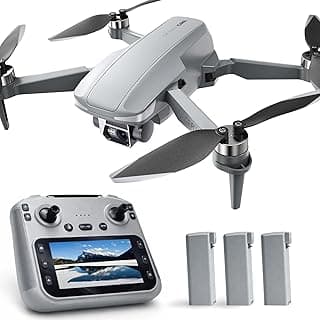
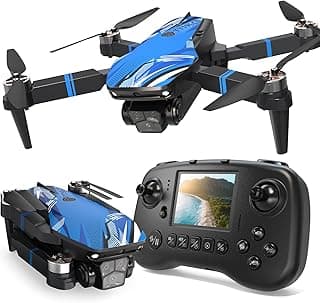
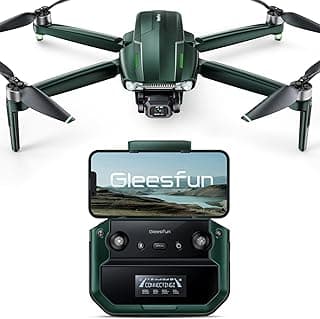
The distinction between a casual hobbyist device and the best drones for filming lies in the sensor architecture. While budget models often utilize small 1/2.3-inch CMOS sensors, these components frequently fail in high-contrast environments, leading to "blown-out" highlights and muddy shadows. For a gift that provides professional-grade results, a 1-inch sensor or larger is the baseline for acceptable dynamic range. This technical threshold ensures that the recipient can capture usable footage during the "golden hour"—the period shortly after sunrise or before sunset when lighting is most dramatic but challenging for inferior optics.
Gifting tech is about more than specifications; it is about upgrading the recipient's window to the digital world, ensuring every frame is a testament to quality.
Furthermore, bit depth and color profiles are the "hidden" specifications that determine a drone's professional utility. A device capable of 10-bit D-Log or HLG (Hybrid Log-Gamma) recording allows for significant color grading in post-production. For what is someone that loves technology, these features are more important than maximum speed, as they allow for a personalized creative workflow that standard 8-bit footage cannot support.
Segmentation: Matching the Drone to the User's Reality
A frequent error in high-end gifting is purchasing "too much machine" for the recipient's specific environment. As an analyst, I categorize potential users into three distinct segments to ensure the gift remains a utility rather than a burden:
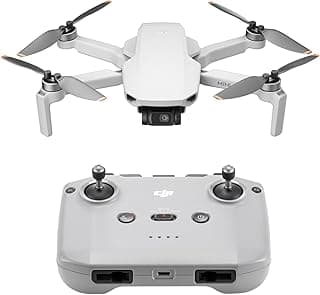
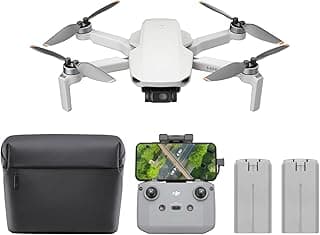
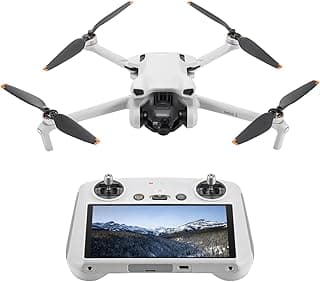
- The Minimalist Traveler: These users require a sub-240g takeoff weight to bypass complex registration requirements in many jurisdictions. Even in this weight class, one can find a best 4k drone that balances portability with high-resolution output.
- The Content Creator: This user prioritizes rock-solid stability and redundant sensors. For them, the best aerial photography drone is one that integrates omnidirectional obstacle sensing, allowing them to focus on the frame rather than the flight path.
- The Aspiring Professional: This individual seeks a best pro drone featuring interchangeable lenses or adjustable apertures. These mechanical features provide control over depth of field and shutter speed, which are essential for achieving the "cinematic look" (24fps at a 1/48 shutter speed).
When considering best gift ideas for teens who are interested in media production, it is often better to prioritize a durable, mid-range model with high-quality software support over a fragile, top-tier professional unit that may be too expensive to repair after an inevitable first crash.
Technical Comparison of Flight Variables
To assist in the decision-making process, the following table compares key technical variables across standard drone tiers. Note that "advertised" flight times should always be discounted by 15-20% to account for real-world wind resistance and safety reserves.
| Technical Variable | Consumer/Entry Level | Advanced/Hobbyist | Prosumer/Cinematic |
|---|---|---|---|
| Sensor Size | 1/2.3" CMOS | 1/1.3" or 1" CMOS | MFT or Full Frame |
| Stabilization | 2-Axis Mechanical | 3-Axis Mechanical | 3-Axis with Active Dampening |
| Transmission Range | 2-4 km (Wi-Fi based) | 8-12 km (OcuSync/Digital) | 15+ km (Low Latency) |
| Maximum Bitrate | 40-60 Mbps | 100-150 Mbps | 200+ Mbps (ProRes) |
The "Buy It For Life" Philosophy in Drone Technology
Drones are inherently depreciating assets due to battery chemistry and rapid sensor evolution. However, a "Buy It For Life" (BIFL) approach can be applied by evaluating the availability of third-party replacement parts and modular designs. Before committing to a purchase, research the "Hidden Costs of Ownership":
1. Battery Degradation: Lithium-Polymer (LiPo) batteries typically lose 20% of their capacity after 200 cycles. Ensure the brand offers accessible replacement batteries and doesn't use proprietary software locks to prevent the use of high-quality third-party cells.
2. Repairability: Avoid drones where the gimbal is permanently fused to the mainboard. The best drones for filming for long-term use are those where the landing gear, propellers, and gimbal can be replaced independently using standard precision tools.
3. Firmware Longevity: Invest in brands with a proven track record of supporting older models with security patches and app updates. A drone is only as good as the smartphone application required to fly it; if the app is abandoned, the hardware becomes a "paperweight."
Choosing the Right Accessory Ecosystem
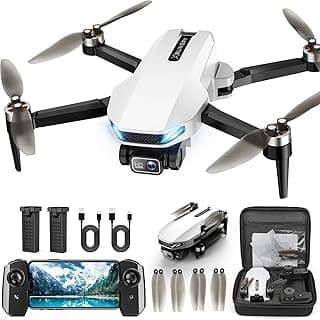
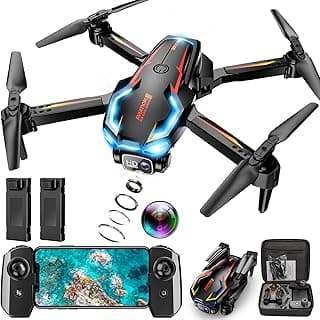
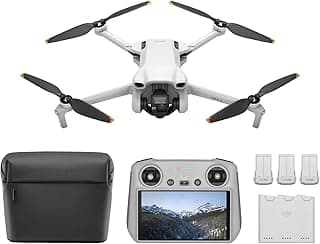
When learning how to come up with good gift ideas, consider that the drone itself is only half of the cinematic equation. Neutral Density (ND) filters are the most overlooked accessory; they act as "sunglasses" for the drone, allowing for the correct exposure in bright light while maintaining a slow shutter speed. For a complete gift, look for a best 1080p drone or higher that comes as a bundle, often called "Fly More" combos, which include essential extra batteries and a dedicated carrying case.
The true value of a drone lies in its ability to remove the terrestrial limitations of the human eye, offering a perspective that was once the exclusive domain of expensive helicopter crews.
Direct Answers to Common Gifting Questions (FAQ)
Is a 4K resolution mandatory for filming? No, but it is highly recommended for future-proofing and allowing the user to "crop in" on the footage during editing without losing significant detail. A high-quality 1080p sensor with a high bitrate is often superior to a "fake" 4K sensor with heavy compression.
What happens if the drone loses signal? Most reputable drones for filming are equipped with a "Return to Home" (RTH) feature that uses GPS to autonomously land the device at its takeoff point if the connection is severed or the battery becomes critically low.
Are "Follow Me" modes reliable? Only on drones equipped with active vision-based tracking. Budget models that rely solely on GPS tethering often lag behind or crash into obstacles during tracking, whereas high-end units use computer vision to navigate around trees or buildings while keeping the subject in frame.
Do drones require a constant internet connection? No, once the initial firmware is activated, drones fly using a direct radio frequency or localized Wi-Fi connection between the controller and the aircraft. However, internet is required to update maps or check for restricted airspace (No-Fly Zones).
Ultimately, selecting from the best drones for filming requires a balance between technical skepticism and an understanding of the recipient's creative goals. By focusing on sensor quality, repairability, and the right user-specific segmentation, you ensure that your gift provides a reliable, high-fidelity window into the world of aerial art.