

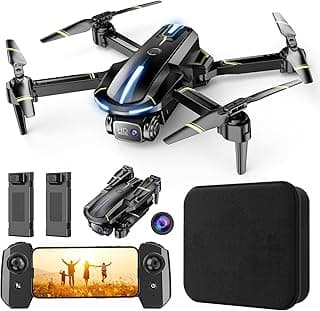
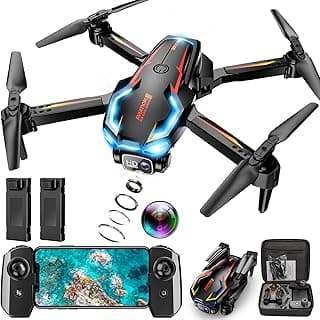
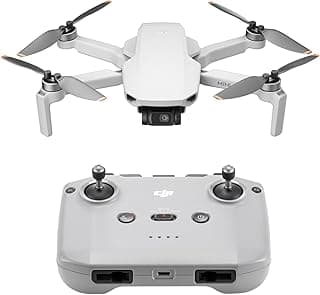
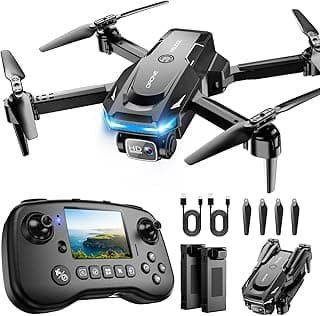
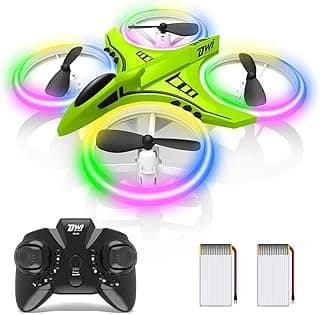
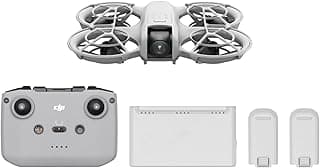
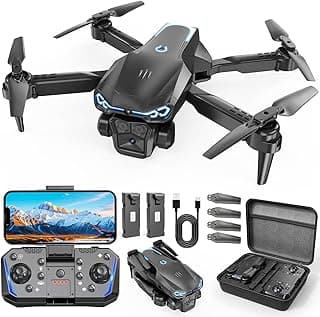
The Engineering of Flight: Moving Beyond Toy-Grade Hardware
From a mechanical engineering perspective, the performance of a flight system is dictated by its power-to-weight ratio and the efficiency of its propulsion. High-quality consumer drones utilize brushless motors, which offer significantly higher longevity and thermal efficiency compared to the brushed motors found in budget alternatives. While a beginner might be tempted by low price points, professional testing indicates that systems lacking dedicated GPS modules and Global Navigation Satellite System (GNSS) integration fail to maintain a stable hover in even moderate wind speeds of 10-15 mph.
Furthermore, the "flight time" quoted on packaging often reflects laboratory conditions—hovering in a vacuum-like indoor environment until the battery reaches 0%. In real-world scenarios, where a pilot must account for wind resistance and "Return to Home" (RTH) safety buffers, a 30-minute theoretical battery life typically translates to 22-25 minutes of active maneuvering. Understanding these nuances is critical for what is someone that loves technology, as it helps manage expectations regarding the hardware's practical limits.
Gifting tech is about more than specifications; it is about upgrading the recipient's window to the digital world, ensuring every frame is a testament to quality.
Technical Comparison: Defining the Tiered Landscape of UAVs
To assist in the selection process, the following table compares key technical variables across the three primary categories of modern drones. This data-driven approach removes the ambiguity often found in retail descriptions.
| Variable | Entry-Level (Sub-250g) | Prosumer / Mid-Range | Professional / Cinema |
|---|---|---|---|
| Sensor Size | 1/2.3-inch CMOS | 1-inch CMOS | Micro Four Thirds / Full Frame |
| Signal Technology | Enhanced Wi-Fi | OcuSync / Lightbridge (Proprietary) | Long-Range HD Video Transmission |
| Obstacle Avoidance | Downward sensors only | Omnidirectional (Tri-Directional) | Advanced AI Spatial Mapping |
| BIFL Potential | Moderate (Fragile arms) | High (Modular parts) | Very High (Serviceable components) |
Multi-dimensional User Empathy: Matching Hardware to Lifestyle
When selecting the best drones as gifts, one must consider the physical and regulatory limitations of the recipient. For instance, the "Sub-250 gram" category is revolutionary for casual travelers because it often bypasses the need for FAA registration in many jurisdictions. For a student or frequent traveler, a best 4k drone that fits in a jacket pocket provides a level of accessibility that a 2kg professional rig cannot match.
Conversely, older users or those with limited manual dexterity should prioritize drones with robust "Level 5" wind resistance and advanced obstacle sensing. These safety features act as an invisible tether, preventing the machine from colliding with structures during complex maneuvers. If the recipient is a veteran filmmaker, they will demand a best professional drone with 10-bit D-Log color profiles, allowing for post-processing flexibility that standard 8-bit sensors cannot provide.
The Principle of Buy It For Life (BIFL): Longevity and Maintenance
Affiliate reviewers often ignore the "hidden costs" of drone ownership. A drone is a high-wear device; its propellers are consumables, and its Lithium-Polymer (LiPo) batteries are chemically volatile components that degrade after approximately 200-300 charge cycles if not stored at a proper "storage voltage." When looking for the best drones, prioritize brands that offer comprehensive care plans and, more importantly, a steady supply of third-party replacement parts.
Repairability is a hallmark of a sustainable gift. Independent repair communities often highlight that the modularity of a gimbal or the ability to replace a single motor arm without soldering can extend the life of a $1,000 investment by several years. Avoid "closed-box" designs that require proprietary tools for simple maintenance. Educating the recipient on battery health—such as avoiding deep discharges below 20%—is as vital as the gift itself, as it prevents the premature death of expensive power cells.
Safety and Ethics in the Cockpit
Modern UAVs are equipped with "Geo-Fencing" technology, which prevents flight in restricted airspace, such as near airports or sensitive government buildings. While some enthusiasts view this as a limitation, it is a crucial safety feature for new pilots. It ensures that the recipient remains compliant with local laws, protecting them from inadvertent legal complications. When considering how to come up with good gift ideas for those interested in the outdoors, it is essential to factor in the local environmental regulations regarding drone usage in national parks or wildlife sanctuaries.
The best drones serve as a bridge between human curiosity and the vast perspective of the sky, turning a Sunday walk into a cinematic exploration.
Direct Answer Framework: Frequently Asked Questions
Is a drone a good gift for someone with no experience?
Yes, provided the unit includes "GPS-assisted flight" and "Optical Flow" sensors. These technologies allow the drone to stay perfectly stationary in the air when the pilot lets go of the sticks. Without these, the learning curve is steep and often leads to a "flyaway" or crash within the first five minutes of use. For absolute beginners, a best beginner drone under 100 is often a better sacrificial unit for learning stick muscle memory before graduating to expensive hardware.
How much should I spend on a gift-quality drone?
To ensure a reliable experience with a stabilized 4K camera and at least 20 minutes of real-world flight time, a budget of $400 to $800 is the industry sweet spot. Units priced below $200 often rely on unstable Wi-Fi connections that lag or drop out at distances as short as 50 meters, leading to a frustrating user experience.
Do drones require a smartphone to operate?
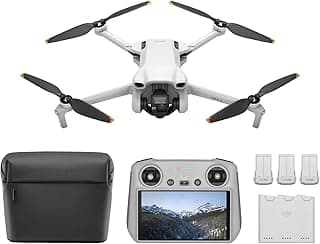
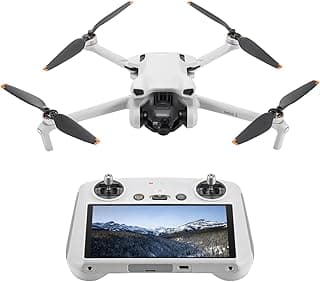
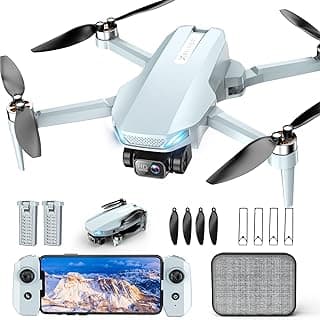
Most consumer drones use a controller that "docks" with a smartphone to provide a First Person View (FPV) live feed from the camera. However, higher-end models now come with "Smart Controllers" that have built-in high-brightness screens. These are preferred for long-term use as they don't drain the phone’s battery and provide a more reliable connection in bright sunlight.
In conclusion, the search for the best drones must be guided by a respect for technical specifications and an understanding of the recipient’s intended use-case. Whether it is for capturing family memories from a new angle or pursuing a professional career in aerial cinematography, a drone chosen with technical skepticism and user empathy will remain a cherished tool for years to come.