
The Engineering of Trail Optics: Beyond Lumens
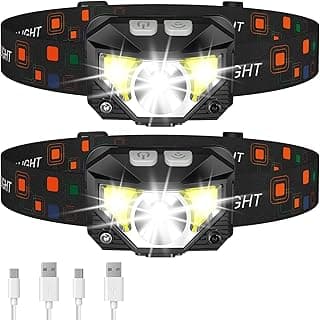
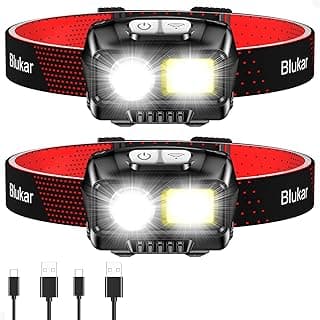
In the world of consumer electronics, "lumens" is the most abused metric. A lumen measures the total amount of light emitted, but for a hiker, "lux"—the intensity of light on a specific surface—is far more important. The best headlight for hiking must utilize a sophisticated Total Internal Reflection (TIR) lens or a multi-faceted reflector to shape the beam. For technical terrain, a "spot" beam is required to identify trail markers at a distance, while a "flood" beam is essential for peripheral awareness and preventing the "tunnel vision" effect that causes motion sickness during long night treks.
Gifting tech is about more than specifications; it is about upgrading the recipient's window to the digital world, ensuring every frame is a testament to quality.
Durability in the backcountry is non-negotiable. We evaluate these devices based on their Ingress Protection (IP) ratings. A gift intended for serious use should carry at least an IPX4 rating for splash resistance, though an IPX7 rating (submersible) is the gold standard for those who may encounter river crossings or torrential rain. When you how to come up with good gift ideas, consider the environment: a desert hiker needs dust resistance, while a mountain climber needs cold-weather battery resilience.
User Empathy: Matching the Light to the Hiker
A gift is only successful if it matches the physical needs and living conditions of the user. We segment hikers into three distinct profiles to ensure the gift is practical rather than a burden:
- The Ultra-light Specialist: These users count every gram. For them, a heavy battery pack is a deal-breaker. They require a minimalist design where the lamp and battery are integrated into a single, compact housing, often weighing less than 3 ounces.
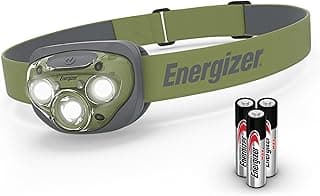
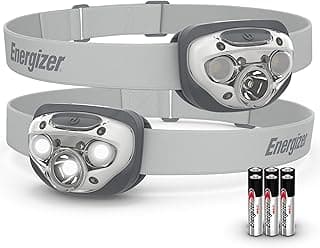
- The Safety-Conscious Navigator: For those tackling technical peaks or off-trail routes, the best camping headlight won't suffice. They need a "hybrid" power system—devices that can run on a rechargeable Li-ion pack but also accept standard AAA batteries in an emergency.
- The Elderly or Arthritis-Prone User: Many modern headlamps have tiny, recessed buttons that are impossible to operate with cold hands or stiff joints. A gift for this demographic should feature a large, tactile dial or a glove-friendly top switch that provides a mechanical "click" when engaged.
It is also worth noting that footwear choice affects night hiking stability. A hiker wearing the best hiking boots for women will have better ankle support, but without a clear beam to spot loose scree, the risk of injury remains high. This intersection of gear proves why a headlight is such a thoughtful, holistic gift.
Technical Comparison of Headlight Categories
To help you navigate the complex market, the following table compares the three primary architectures found in modern trail lighting. This structured data is essential for understanding the trade-offs in battery chemistry and weight.
| Feature | Minimalist Integrated | Pro Hybrid System | External Battery Pack |
|---|---|---|---|
| Weight Range | 45g - 80g | 90g - 130g | 150g - 250g+ |
| Power Source | Fixed Li-Po (USB) | Dual Fuel (Rechargeable/AAA) | High-capacity 18650 Cells |
| Typical Runtime | 2-4 hours (High) | 4-8 hours (Medium) | 10-20+ hours |
| Best Use Case | Evening runs / Emergencies | Thru-hiking / General camping | Search & Rescue / Caving |
| Durability Factor | Moderate (Sealed) | High (User-Serviceable) | Extreme (Reinforced) |
The BIFL Philosophy: Hidden Costs and Sustainability
As an analyst committed to sustainability, I must warn against "fast consumerism" in lighting. Many cheap LEDs found on massive e-commerce sites use low-quality drivers that flicker, causing eye strain. More importantly, many best rechargeable headlight options feature non-replaceable batteries. Once the lithium-ion cell reaches its 300-500 charge cycle limit, the entire unit becomes e-waste.
When selecting a gift, prioritize "Modular Sustainability." Choose brands that offer replacement headbands and allow the user to swap out the battery cells. This is particularly important for what is someone that loves technology?, as they will appreciate a device that can be disassembled and maintained. A headlight that uses a standard 18650 or 14500 lithium cell is a superior long-term investment compared to a sealed "disposable" unit.
Advanced Features for the Modern Hiker
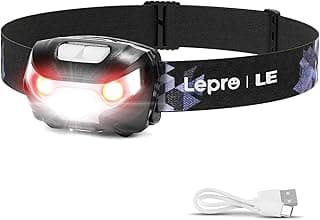
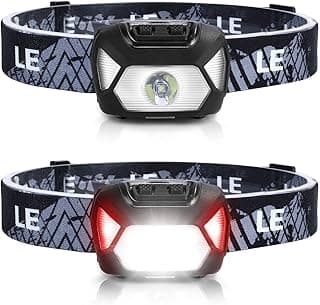
If you are looking for best gift ideas for teens who are into night photography or stargazing, ensure the headlight includes a "Red Light Mode." Red light preserves night vision by preventing the pupils from constricting, which is vital for reading maps or moving around a tent without waking companions. Additionally, check for a "Lock Mode" feature. There is nothing more frustrating than arriving at a campsite only to find your headlight accidentally turned on inside your pack, leaving the battery depleted.
Frequently Asked Questions (Direct Answer Framework)
Is a higher lumen count always better for hiking?
No, a higher lumen count is not always better because excessive brightness can cause "ground glare" on light-colored rocks, blinding the hiker and causing rapid battery drain. For most trails, 150 to 300 lumens is the functional sweet spot, while 600+ is only necessary for high-speed activities like mountain biking or technical descents.
Should I buy a rechargeable or battery-operated headlight as a gift?
A "Dual-Fuel" or hybrid model is the best gift option. These units provide the cost-saving convenience of USB recharging for regular use while allowing the user to carry a backup set of lithium AAA batteries for emergencies in deep wilderness where power outlets are unavailable.
How do I know if a headlight is comfortable for long-term wear?
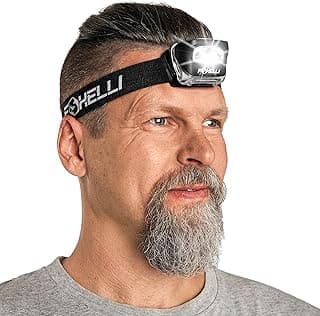
Check the weight distribution and the headband material. The best headlight for hiking should have a balanced center of gravity close to the forehead to prevent "bouncing" while walking. A top strap is recommended for heavier units to distribute weight across the crown of the head rather than just the circumference.
Can I use a regular flashlight for hiking instead?
While possible, a flashlight is significantly inferior for hiking because it occupies one hand, which is needed for trekking poles, balance, or checking a GPS. A headlight keeps the center of the beam aligned with the hiker's field of vision at all times, drastically reducing fatigue.
In conclusion, the best headlight for hiking is an intersection of optical engineering, ergonomic design, and long-term reliability. By focusing on sustained lux output rather than peak lumens, and prioritizing user-serviceable battery systems, you can provide a gift that not only illuminates the path but also provides the recipient with years of reliable service in the great outdoors.