
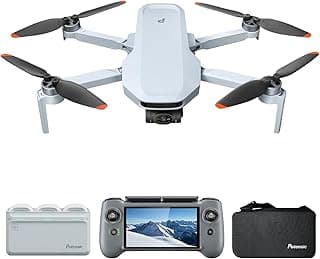
The Physics of Premium Optics: Why Sensor Size Outranks Pixel Count
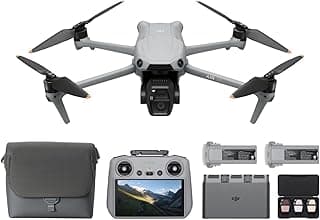
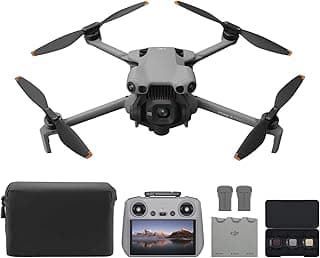
In the world of aerial imaging, many consumers are misled by high megapixel counts on budget models. A high-end drone distinguishes itself through its physical sensor size. A 1-inch or Micro Four Thirds sensor allows for larger individual pixels, which in turn provides a higher signal-to-noise ratio. This technical advantage is most visible during "golden hour" photography, where high dynamic range (HDR) is required to prevent highlights from blowing out while maintaining detail in the shadows. Unlike entry-level models that rely on heavy software interpolation to sharpen images, the best professional drone options provide raw data files that allow for significant post-processing flexibility. For a recipient who is a photographer, this bit-depth—often 10-bit or 12-bit—is the difference between a usable professional shot and a digital artifact-laden snapshot.
Gifting tech is about more than specifications; it is about upgrading the recipient's window to the digital world, ensuring every frame is a testament to quality.
Furthermore, the lens quality on high-end systems often features adjustable apertures. This is a critical mechanical feature that allows pilots to control light intake without relying solely on electronic shutter speed, which can cause "stuttering" in video if not synced with the frame rate. When considering best gift ideas for teens who are showing a serious interest in cinematography, providing a platform with an adjustable aperture teaches them the fundamentals of the exposure triangle in a way that fixed-lens drones cannot.
Transmission Reliability and Flight Safety Systems
The most significant hidden cost of owning a drone is the potential for "flyaways" or signal interference. High-end drones utilize proprietary transmission technologies—such as OcuSync or Lightbridge—that operate on multiple frequencies simultaneously. This redundancy is essential when flying in urban environments where Wi-Fi congestion can easily sever the link between the controller and the aircraft. A gift of a high-end drone is a gift of peace of mind; these systems are engineered to maintain a stable HD video feed even several miles away, ensuring the pilot always has situational awareness.
Safety is further augmented by omnidirectional obstacle sensing. While budget drones might only "see" in front of them, the best high end drones utilize a network of vision sensors and ultrasonic rangefinders to build a 3D map of their surroundings in real-time. This allows the drone to not just stop, but actively bypass obstacles during automated "Return to Home" sequences. This level of autonomy is what makes a drone a viable gift for what is someone that loves technology, as it represents a perfect marriage of robotics and AI.
Comparative Technical Analysis of High-End Systems
To help you distinguish between the various tiers of premium drones, the following table compares key engineering variables that affect both performance and the longevity of the gift.
| Technical Feature | Consumer-Grade (Budget) | Best High End Drones (Professional) | Impact on User Experience |
|---|---|---|---|
| Sensor Type | 1/2.3" CMOS | 1" or Micro Four Thirds | Drastically improved low-light performance and dynamic range. |
| Transmission System | Enhanced Wi-Fi | Dual-Band Proprietary (OcuSync/SyncLeap) | Prevents signal loss in high-interference areas. |
| Wind Resistance | Level 4 (Up to 15 mph) | Level 6+ (Up to 27+ mph) | Allows for flight in coastal or mountainous conditions. |
| Internal Storage | None (SD Card Only) | 8GB to 1TB SSD Integrated | Ensures data is captured even if the SD card fails or is forgotten. |
The "Buy It For Life" Philosophy: Maintenance and Repairability
When investing in the best high end drones, one must consider the ecosystem of repair. Unlike disposable consumer electronics, high-end drones are modular. Components such as the camera gimbal, landing gear, and individual motor arms are often replaceable via official service centers or authorized third-party technicians. This repairability is a core component of what is the greatest gift to give, as it ensures the drone remains flight-worthy for years rather than becoming e-waste after a single minor collision.
Prospective gift-givers should also account for the recurring costs of ownership. Lithium-Polymer (LiPo) batteries are consumables; even in high-end systems, they typically degrade after 200–300 charge cycles. High-end manufacturers offer "Intelligent Battery" systems that self-discharge to a safe storage voltage, significantly extending their lifespan compared to "dumb" batteries found in cheaper models. Furthermore, the availability of a best aerial photography drone ecosystem means that as software updates are released, the hardware remains compatible with new flight regulations and remote identification (Remote ID) standards.
Designing for Diverse User Needs
The "ideal" drone depends heavily on the recipient's lifestyle:
- The Traveler: Needs a foldable design that sacrifices some sensor size for portability, but maintains high-end bitrates.
- The Professional Photographer: Prioritizes a best 4k drone with a Hasselblad or similar integrated color science for minimal post-editing.
- The Industrial Enthusiast: May require thermal imaging or multi-spectral sensors for mapping and inspection.
Frequently Asked Questions
Is a high-end drone too difficult for a beginner to fly?
No, the opposite is actually true. Because high-end drones possess superior GPS stabilization and obstacle avoidance sensors, they are significantly easier and safer to fly than cheap drones that require constant manual correction for wind or drift. The flight controllers in premium models are designed to be "hands-off," meaning if you let go of the sticks, the drone will hover perfectly in place.
What are the legal requirements for gifting a high-end drone?
In most jurisdictions, any drone weighing over 250 grams must be registered with the local aviation authority. High-end drones, which often exceed this weight due to their larger batteries and cameras, require the owner to pass a basic safety test and display a registration number on the aircraft. It is a thoughtful gesture to include a printed guide on local regulations when presenting the gift.
How long can I expect a high-end drone to last?
With proper maintenance, a high-end drone's airframe can last five or more years. The limiting factors are usually the batteries and the pace of camera technology. However, because the flight dynamics of high-end models are so refined, they often retain significant resale value even after newer models are released, making them a more sustainable investment than entry-level tech.
Ultimately, choosing among the best high end drones is about recognizing that you are gifting a new perspective. Whether it is used for creative expression, professional growth, or the simple joy of flight, a high-end drone provides a level of reliability and quality that transforms the sky from a barrier into a canvas.