

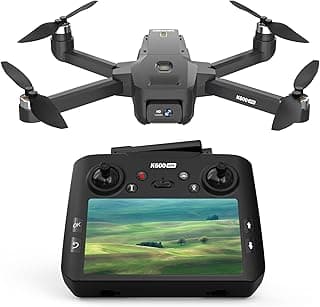
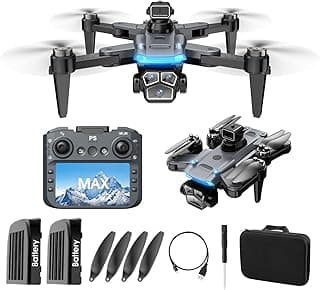
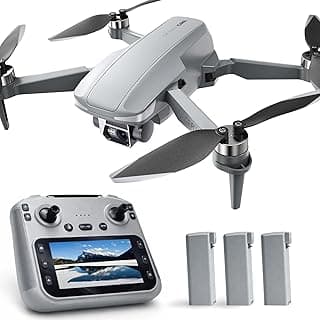
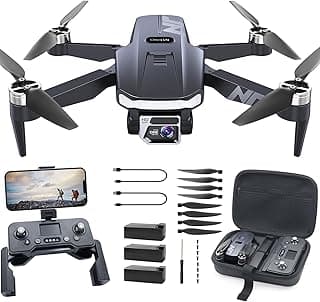
The Technical Foundation: Sensor Physics and Imaging Stability
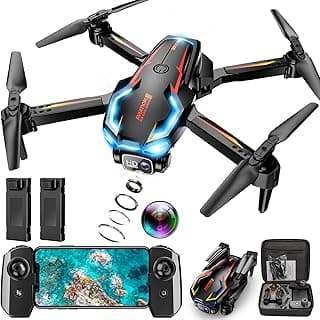
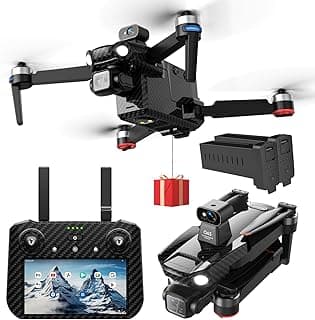
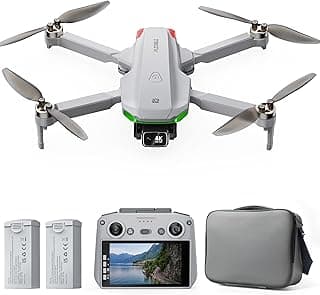
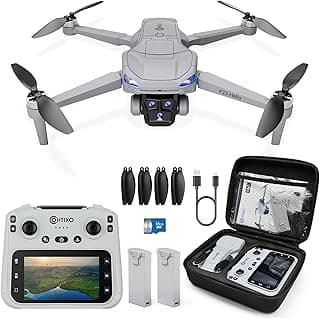
The primary utility of a modern consumer drone is aerial photography. However, the quality of that imagery is strictly governed by the size of the CMOS sensor and the mechanical efficiency of the gimbal. In the current market, a 1/2.3-inch sensor is the entry-level standard, but it often struggles with dynamic range in high-contrast environments. For a gift that provides professional-grade results, an investment in a 1-inch sensor is necessary. This larger surface area allows for better light intake and reduced noise in low-light conditions, which is a critical differentiator for those looking for the best 4k drone experience.
Mechanical stabilization is equally vital. A three-axis physical gimbal is the only mechanism that truly isolates the camera from the vibrations and tilts of the aircraft. Electronic Image Stabilization (EIS) found in budget-tier drones often results in a "jello effect" or cropped resolution, which diminishes the professional feel of the gift. When considering what to buy for what is someone that loves technology, the precision of a mechanical gimbal reflects a higher standard of engineering appreciation.
| Feature | Entry-Level Technology | Professional-Grade Technology | Impact on Gifting Value |
|---|---|---|---|
| Motor Type | Brushed (High Friction) | Brushless (Low Friction) | Longevity and lower noise floor |
| Stabilization | Electronic (EIS) | 3-Axis Mechanical Gimbal | Fluid, cinematic video quality |
| Transmission | Standard Wi-Fi | OcuSync or Proprietary RF | Reduced signal dropouts in urban areas |
| Battery | Standard LiPo | Intelligent Flight Battery | Safety and health monitoring of cells |
Gifting tech is about more than specifications; it is about upgrading the recipient's window to the digital world, ensuring every frame is a testament to quality.
The "Buy It For Life" Philosophy in Drone Ownership
A significant pitfall in consumer drones is the lack of repairability. Most budget drones use a "unibody" plastic construction that, once cracked, renders the entire unit non-functional. An expert gift strategist should prioritize modular designs. This means looking for models where propellers, arm sleeves, and landing gear can be swapped by the user without specialized tools. For creative users who might experiment with DIY repairs, even tools like the best 3d pen can sometimes be used to reinforce non-critical structural components, though professional replacement parts are always preferred.
The hidden cost of ownership lies primarily in the battery chemistry. Lithium Polymer (LiPo) batteries are volatile and have a finite cycle life—typically 200 to 300 charges before significant capacity degradation occurs. When gifting the best home drone, check if the manufacturer offers "Intelligent Flight Batteries" that automatically discharge to a storage voltage. This feature prevents cell swelling and significantly extends the usable life of the gift, making it one of the best birthday gift ideas for someone who values equipment maintenance.
Multi-Dimensional User Empathy: Matching Drone to Environment
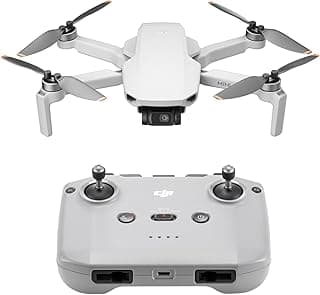
Living conditions dictate the utility of a drone gift. A high-powered, long-range drone is a poor choice for a recipient living in a dense metropolitan area with strict "No Fly Zone" (NFZ) regulations and high electromagnetic interference. For these users, a "Sub-250g" drone is technically superior because it often bypasses certain registration requirements while remaining small enough to be portable.
Conversely, for users with access to large open spaces, wind resistance becomes the primary variable. A drone's ability to remain stable in Level 5 winds (up to 24 mph) is dependent on motor KV ratings and the surface area of the propellers. If the recipient intends to use the drone for outdoor adventures, ensuring it has high-torque brushless motors is a technical necessity. For those who enjoy reviewing their footage on the go, pairing the drone with the best portable monitors for laptops can create a mobile editing suite, further enhancing the ecosystem of the gift.
Advanced Connectivity and Signal Transmission
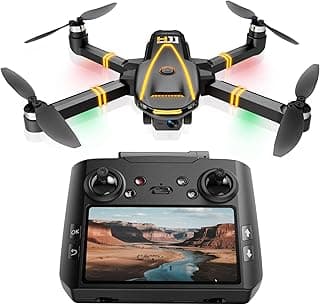
The best home drone must maintain a robust link between the controller and the aircraft. Cheaper models rely on standard 2.4GHz Wi-Fi, which is highly susceptible to interference from household routers and cellular towers. Expert-level drones utilize frequency-hopping technology (like OcuSync), which dynamically switches between 2.4GHz and 5.8GHz bands to find the cleanest channel. This ensures that the Live View on the controller remains at a high bitrate with minimal latency, providing a safer and more immersive flight experience.
Operational Safety and Obstacle Avoidance
For a gift to remain intact after the first week of use, obstacle avoidance sensors are mandatory. True omnidirectional sensing utilizes binocular vision sensors on the front, back, top, bottom, and sides. This creates a 3D map of the environment in real-time, allowing the flight controller to autonomously brake or bypass objects. This is a critical safety feature for elderly users or beginners who may lack the fine motor skills required for precision manual flight.
| Sensor Array | Detection Range | Primary Benefit |
|---|---|---|
| Ultrasonic/Optical Flow | 0.5m - 10m | Stable indoor hovering without GPS |
| Forward Binocular | Up to 40m | Prevents high-speed head-on collisions |
| Infrared ToF (Time of Flight) | 0.1m - 5m | High-precision distance measurement for landing |
Frequently Asked Questions (FAQ)
Is a drone a suitable gift for someone living in a small apartment?
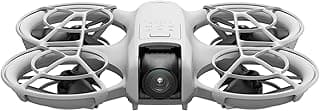
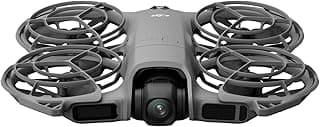
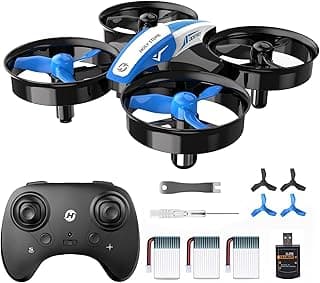
Yes, provided the drone is categorized as a "mini" or "cinewhoop" style with fully enclosed duct guards to protect the propellers and furniture during indoor flight.
How long do drone batteries actually last?
A standard intelligent flight battery typically provides 20 to 30 minutes of flight time, but real-world performance is usually 15% lower due to safety buffers that force the drone to land before the battery hits 0%.
Do I need to register a home drone before gifting it?
No, the registration process is usually tied to the operator, not the purchaser; however, if the drone weighs more than 249 grams, the recipient will need to register it with local aviation authorities upon receiving it.
What is the most common cause of drone failure?
Pilot error leading to a collision is the leading cause, followed closely by battery mismanagement (allowing cells to drop to a critically low voltage during storage), which permanently damages the battery's ability to hold a charge.
Can drone footage be edited on a regular tablet?
Yes, most modern drones sync low-resolution proxies to a mobile app for immediate social sharing, though high-bitrate 4K files require a device with a modern processor for smooth editing.
Final Considerations for Gifting
Ultimately, the best home drone is one that aligns with the recipient's technical proficiency and geographic reality. It is a gift that offers a unique perspective on the world, but it carries the responsibility of maintenance and regulatory compliance. By focusing on brushless motors, high-quality CMOS sensors, and modular repairability, you ensure that your gift remains a valuable tool rather than a piece of electronic waste within a few months of use. Selecting a drone with these engineering priorities ensures that the "magic" of flight is supported by the "reality" of durable design.