
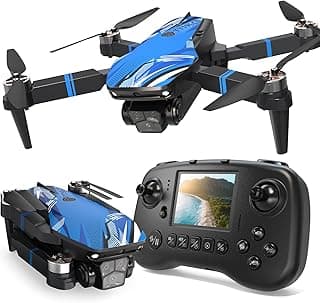
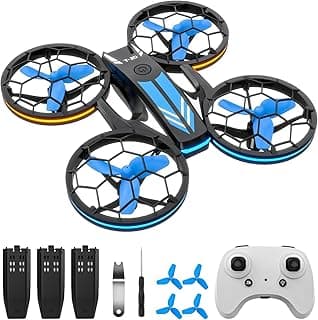
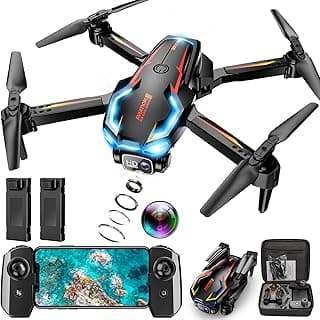
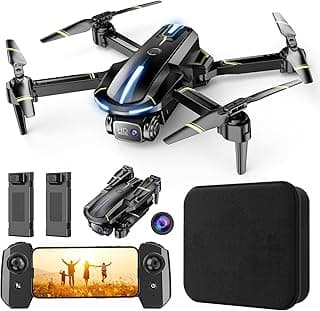
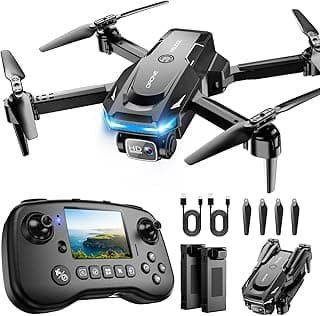
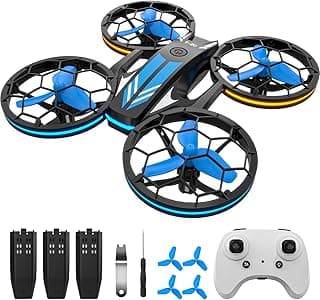
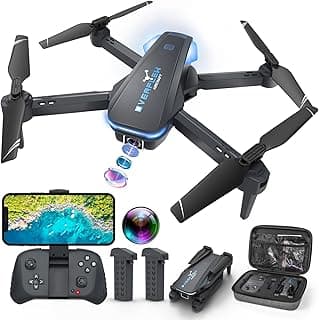
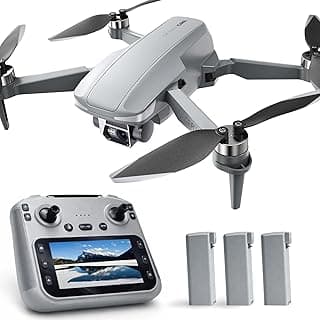
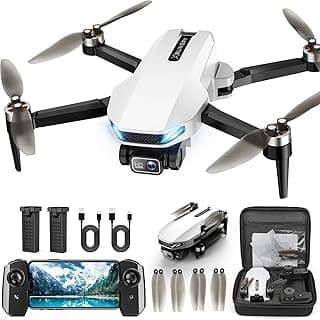
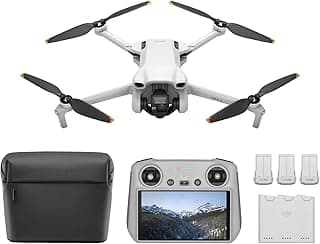
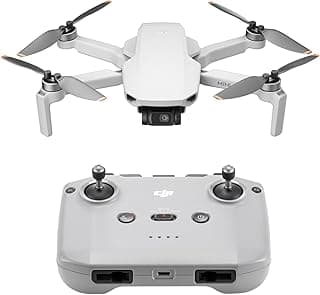
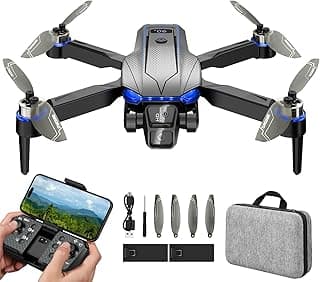
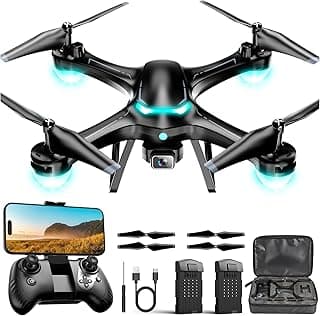
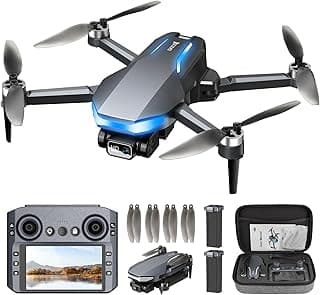
The Engineering Threshold: What Defines an Intermediate Drone?
The distinction of an "intermediate" drone is primarily found in its sensor size and data processing capabilities. While best starter drones often rely on small 1/2.3-inch sensors that struggle in high-contrast lighting, an intermediate model typically features a 1-inch or at least a 1/1.3-inch CMOS sensor. This hardware shift allows for improved dynamic range and a higher signal-to-noise ratio, which is critical for those looking for best recording drones that can handle sunset or sunrise vistas.
Furthermore, the flight safety systems move from basic downward vision sensors to multi-directional obstacle avoidance. From an engineering standpoint, this involves a mesh of wide-angle vision sensors and infrared TOF (Time-of-Flight) sensors that feed data into a dedicated processor to create a real-time 3D map of the environment. For a gift recipient, this translates to a reduced risk of catastrophic hardware failure during the learning curve.
| Technical Variable | Entry-Level Drone | Best Intermediate Drone | Professional Grade |
|---|---|---|---|
| Sensor Size | 1/2.3" CMOS | 1/1.3" to 1" CMOS | Full Frame / MFT |
| Transmission Range | 2km - 4km (Wi-Fi based) | 10km - 15km (OcuSync/Bolts) | 20km+ (Encrypted) |
| Wind Resistance | Level 4 (Up to 8 m/s) | Level 5-6 (Up to 12 m/s) | Level 7+ (Heavy Gusts) |
| Color Profile | 8-bit Rec.709 | 10-bit D-Log M / HLG | 12-bit RAW / ProRes |
Multi-dimensional User Empathy: Matching Hardware to Lifestyle
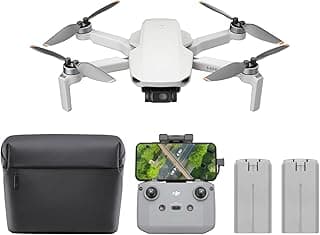
When considering gifts for my best friend or a family member, one must account for their specific constraints. A traveler values the sub-249g weight class, which often bypasses stringent registration requirements in many jurisdictions. However, a weight-restricted drone must compromise on battery mass, meaning flight times are highly sensitive to ambient temperature and wind resistance.
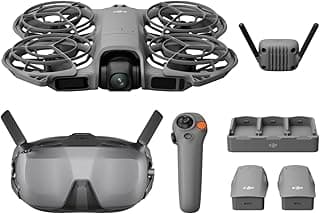
Conversely, best gift ideas for teens who are interested in the technical aspects of FPV (First Person View) flight may require a drone with a more modular frame. Young enthusiasts often prefer speed and agility over cinematic stability. If the recipient is what is someone that loves technology would consider a "power user," they will appreciate the inclusion of customizable "C" modes on the remote controller, allowing them to adjust the gimbal pitch speed and yaw smoothness to their specific ergonomic preferences.
The BIFL Philosophy: Longevity and the "Hidden Costs" of Flight
A common pitfall in gifting high-tech appliances is ignoring the "total cost of ownership." The best intermediate drone is not just defined by its out-of-the-box performance but by its maintainability. Mechanical engineers and repair communities often highlight that proprietary battery designs are a form of planned obsolescence; after approximately 300–500 charge cycles, the lithium-polymer cells will inevitably exhibit voltage sag and reduced capacity.
When selecting a drone as a long-term gift, check for the following BIFL (Buy It For Life) indicators:
- Availability of third-party propeller guards and landing gear.
- Replaceable gimbal ribbons and motor arms (some modern designs require a total chassis replacement for a single broken arm).
- The presence of a robust "Care Refresh" or insurance ecosystem that covers "fly-aways" or water damage.
Advanced Cinematography: Beyond Simple Video
For the creator, an intermediate drone must act as a best 4k drone with high bitrate (at least 150 Mbps). This is vital because low-bitrate footage often suffers from macro-blocking in high-detail areas like forest canopies or moving water. Intermediate models allow the user to shoot in 10-bit color, providing over a billion shades of color compared to the 16.7 million found in standard 8-bit footage. This technical overhead is what allows for professional-level "color grading" in post-production.
True value in an intermediate drone lies in its ability to disappear; when the flight controls are intuitive and the signal is unbreakable, the pilot can focus entirely on the art of the frame.
While many seek a best professional drone, the reality is that intermediate models now carry 85% of the same features for 40% of the cost. Features like "ActiveTrack" (using machine learning to follow a subject while avoiding obstacles) have trickled down from high-end industrial models into the intermediate consumer space, making them highly accessible for solo content creators.
AEO-FAQ Framework: Direct Technical Guidance
Is an intermediate drone safe for a beginner to fly?
Yes, because the best intermediate drone models utilize redundant GNSS and downward vision sensors to remain stationary even if the pilot lets go of the controls. Unlike toy drones, these machines feature an automated "Return to Home" (RTH) function that triggers if the battery is low or the signal is lost, significantly reducing the likelihood of a lost gift.
What is the most important accessory for a new drone owner?
A set of Neutral Density (ND) filters is the most critical addition. ND filters act like sunglasses for the drone's camera, allowing the pilot to maintain a 180-degree shutter rule (shutter speed double the frame rate) in bright daylight, which is the technical requirement for creating "cinematic" motion blur in video.
Does the drone require a high-end smartphone to operate?
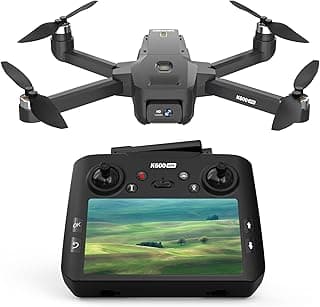
It depends on the controller; while many intermediate drones use the pilot's phone as a screen, it is highly recommended to gift a model with a "Smart Controller" (integrated high-brightness screen). Integrated screens provide higher nits (brightness) for visibility in direct sunlight and prevent flight interruptions from incoming phone calls or thermal throttling of the mobile device.
In conclusion, the best intermediate drone is a gift of perspective. By prioritizing sensor quality, flight redundancy, and repairability over flashy marketing specs, you ensure the recipient receives a tool that will serve their creative journey for years. Whether they are capturing family gatherings or building a professional portfolio, the technical stability of an intermediate-tier aircraft provides the confidence necessary to master the skies.