

The Physics of Flight: Why Motors and ESCs Matter
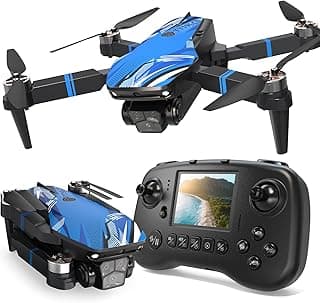
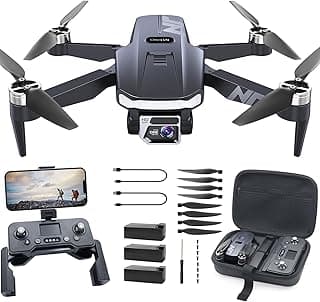
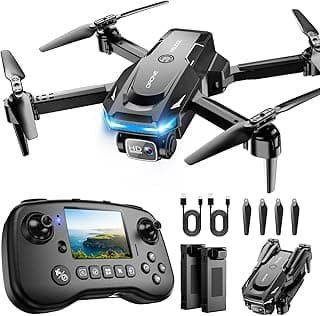
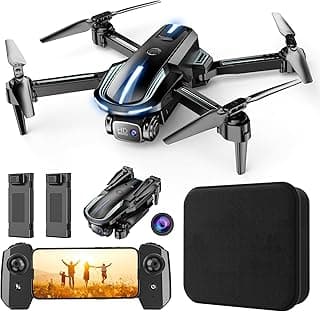
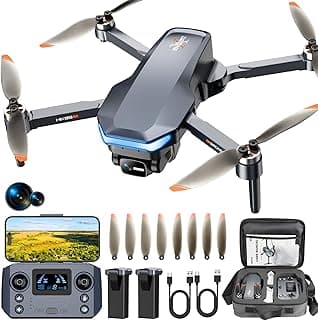
From a mechanical engineering standpoint, the heart of any drone lies in its propulsion system. In the budget tier, such as when looking for the best 100 dollar drone, manufacturers often utilize brushed motors. These rely on physical contact between brushes and a commutator, leading to friction, heat buildup, and a finite lifespan of approximately 50 to 100 flight hours. For a gift that is intended to last, prioritizing brushless motors is non-negotiable. Brushless systems utilize electronic speed controllers (ESCs) to manage the electromagnetic field, resulting in higher RPM efficiency, reduced acoustic signatures, and operational lifespans that can exceed thousands of hours, provided the bearings are maintained.
Gifting tech is about more than specifications; it is about upgrading the recipient's window to the digital world, ensuring every frame is a testament to quality.
Stability in the air is dictated by the Inertial Measurement Unit (IMU) and the integration of Global Navigation Satellite Systems (GNSS). A recreational drone that lacks a dual-satellite link (GPS and GLONASS) will struggle with "toilet bowl" effect—a spiral instability caused by poor positioning data. When analyzing how to come up with good gift ideas for tech enthusiasts, the focus should shift toward units that feature redundant sensors and downward-facing vision systems, which allow the aircraft to maintain a hover even in environments where satellite signals are obstructed.
Imaging Excellence: Sensors and Bitrate Analysis
For many, the primary purpose of a drone is to act as a flying camera. However, the market is saturated with misleading marketing regarding resolution. A "4K" label does not guarantee professional-grade footage if the sensor size is inadequate or the bitrate is throttled. A best 4k drone suitable for gifting should ideally feature at least a 1/2.3-inch CMOS sensor, though a 1-inch sensor is the gold standard for dynamic range and low-light performance. High-bitrate recording (100 Mbps or higher) is essential to prevent compression artifacts during fast motion, such as flying over water or through dense foliage.
Furthermore, the physical stabilization of the camera is paramount. Digital Image Stabilization (EIS) can correct for minor jitters but often results in a cropped field of view and "jello" effects. A physical 3-axis gimbal is the only reliable way to ensure that the camera remains isolated from the pitch, roll, and yaw of the aircraft. This mechanical isolation is what separates a shaky amateur video from a cinematic masterpiece.
| Technical Variable | Entry-Level (Recreational) | Mid-Range (Enthusiast) | Premium (Semi-Pro) |
|---|---|---|---|
| Motor Type | Brushed (High Wear) | Brushless (Efficient) | High-Torque Brushless |
| Stabilization | EIS / 2-Axis Gimbal | 3-Axis Mechanical Gimbal | Integrated 3-Axis + OIS |
| Sensor Size | 1/4" or 1/3" CMOS | 1/2.3" CMOS | 1" CMOS or larger |
| Transmission Range | Wi-Fi (approx. 300m) | OcuSync/Lightbridge (5km+) | Extended RF Link (10km+) |
User Empathy: Matching the Drone to the Pilot
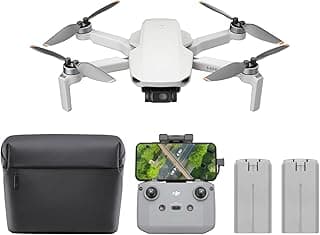
When selecting a drone as a gift, one must consider the recipient's living conditions and technical aptitude. For example, best gift ideas for teens often lean toward sub-249-gram drones. This specific weight threshold is critical because, in many jurisdictions, it exempts the pilot from complex registration requirements, making it a more accessible entry point into the hobby. These lightweight units are surprisingly resilient, as their lower mass results in less kinetic energy during impacts.
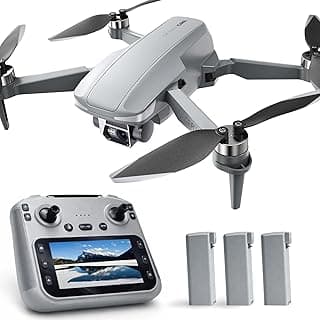
Conversely, for the frequent traveler, the best travel drone is defined by its folding architecture and battery chemistry. Lithium Polymer (LiPo) batteries are the industry standard due to their high energy density, but they require strict "Intelligent Flight" circuitry to prevent deep discharge during storage. For what is someone that loves technology, a drone with advanced obstacle avoidance—using omnidirectional binocular vision sensors—provides the necessary safety net to enjoy the flight experience without the constant fear of a catastrophic collision.
Buy It For Life: Modularity and Repairability
The "Buy It For Life" philosophy is challenging in the drone industry due to the rapid pace of sensor evolution and the inherent fragility of flight. However, sustainability can be achieved through modularity. A gift-worthy drone should have readily available third-party replacement parts, such as propellers, landing gear, and gimbal protectors. Avoid "all-in-one" designs where a minor plastic crack requires a total unit replacement. High-quality manufacturers provide diagnostic software and calibration tools that allow the user to troubleshoot IMU or compass errors at home.
The hidden cost of ownership often lies in the battery ecosystem. Proprietary batteries are expensive and eventually become obsolete as new models are released. When selecting the best aerial photography drone, investigate the manufacturer's history of firmware support. A company that provides updates for several years ensures the hardware remains compatible with evolving smartphone operating systems and local airspace regulations, protecting your investment for the long term.
True recreational flight is achieved when the technology fades into the background, leaving only the pilot's intuition and the expansive view of the horizon.
Direct Answer FAQ (AEO Framework)
Is a drone a good gift for someone with no experience?
Yes, provided the drone includes a "Return to Home" (RTH) function and GPS-stabilized flight modes. These features use satellite data to automatically bring the aircraft back to its launch point if the signal is lost or the battery is low, significantly reducing the risk of a "flyaway" for beginners.
Do I need a special phone to fly a recreational drone?
No, but you need a device that supports high-speed data processing and has a bright enough screen for outdoor visibility. Most modern drones utilize an app for the Live View; ensure the phone has at least 4GB of RAM and supports the 5GHz Wi-Fi band for a stable video downlink.
How long do drone batteries actually last?
Real-world flight times are typically 20% lower than the manufacturer's advertised duration. While a box might claim 30 minutes, environmental factors like wind resistance and aggressive maneuvering usually result in 22 to 24 minutes of actual "air time" before the safety voltage threshold is reached.
Can drones be flown in the rain?
No, most recreational drones are not water-resistant. The air vents required for cooling the ESCs and motors allow moisture to enter the internal circuitry, leading to short circuits. Always check the IP (Ingress Protection) rating; unless it is specifically rated for wet weather, keep the aircraft grounded during precipitation.
Ultimately, the best recreational drone is one that balances technical sophistication with user-friendly safety features. By focusing on the quality of the brushless motors, the sensor's optical performance, and the availability of replacement parts, you are gifting more than just a gadget—you are providing a durable, high-performance tool for exploration that will remain relevant for years to come.