




The RV Cleaning Reality Nobody Discusses in Brochures
Outdoor living means outdoor dirt—constantly. You're not tracking occasional mud from rainy day errands but literally bringing desert sand, beach grit, forest debris, and campground dust inside daily through normal living. The distinction between "inside" and "outside" blurs when your door opens twenty times daily letting dogs in and out, kids running between RV and playground, or you stepping outside for morning coffee then back in for breakfast prep. This constant infiltration creates contamination volume exceeding typical houses despite RV's fraction of square footage.
Limited power defines everything about RV systems—not philosophical choice but engineering necessity. Your house connection or generator provides power, but running generator for vacuuming feels wasteful burning fuel and creating noise bothering campground neighbors. Battery power proves limited resource you're constantly monitoring and conserving for essential systems like refrigerator, water pump, and lighting. Expecting vacuum drawing 8-12 amps from battery reserves or demanding generator operation for simple floor cleaning proves completely incompatible with RV power management reality experienced daily.
Storage space doesn't exist—literally. Every cubic inch serves multiple purposes through careful planning and compromise. That closet in house dedicated to cleaning supplies? Doesn't exist in RV. That space under stairs where vacuum lived? Not in camper. Equipment must store compactly in spaces serving other purposes or mount to walls without interfering with living functions. A vacuum occupying two cubic feet of prime storage equals ridiculous luxury most RV owners can't justify when same space could hold three days' worth of clothing, emergency supplies, or recreational equipment actually used rather than occasional cleaning tool.
The best vacuum for camper acknowledges these constraints rather than pretending RV living mirrors house living at smaller scale. It's fundamentally different lifestyle requiring fundamentally different equipment approaches versus miniaturized versions of standard tools that fail addressing unique RV circumstances despite superficially seeming appropriate through reduced size alone. For those considering practical gifts for women embracing RV lifestyle or thoughtful presents for men living mobile lives, understanding these constraints separates useful from useless regardless of home-appropriate quality.
Who Needs RV-Specific Vacuum Solutions
Full-time RVers managing permanent mobile homes: Those who sold houses embracing permanent travel lifestyle where RV isn't vacation vehicle but primary residence requiring same cleanliness standards houses demand. These users need daily-capable equipment serving long-term rather than temporary camping trip cleaning. The intensity and frequency exceed weekend warrior needs demanding durability and capability matching residential use despite RV constraints.
Extended travelers spending months on road: Retirees, digital nomads, or families traveling for work spending weeks or months between house returns. Their RV becomes temporary home requiring genuine cleaning solutions beyond occasional maintenance between hotel stays. Equipment must serve sustained periods without access to house cleaning tools or ability tolerating "clean it properly when we get home" deferral typical shorter trips allow.
Pet-traveling families managing animal mess: RV owners whose dogs or cats accompany them creating hair, dander, tracked debris, and occasional accidents in confined spaces where contamination proves impossible ignoring. Pet mess in 200 square foot RV creates problems disproportionate to same contamination in 2,000 square foot house simply through concentration—you can't escape it, guests notice immediately, and sanitation concerns intensify in spaces lacking house ventilation and separation options. For pet-specific home solutions, reference comprehensive pet hair management approaches.
Beach and desert campers facing extreme debris: Those camping environments generating specific contamination types—sand infiltrating everything despite best prevention efforts, salt residue from coastal air corroding surfaces, or alkaline dust from desert sites coating interiors. These extreme contaminants demand capable equipment versus hoping light maintenance suffices when you're literally living in elements generating constant mess despite careful entry protocols.
The Power Source Decision Tree
12V DC vacuums running directly from RV battery prove most convenient—plug into cigarette lighter or direct battery connection without generator operation or inverter losses. However, 12V motors deliver fraction of 120V AC power—adequate for light maintenance but struggling with serious dirt accumulation or carpet deep cleaning. These serve daily quick-cleaning perfectly while failing periodic deep sessions requiring more capability than battery-friendly motors provide within reasonable current draw.
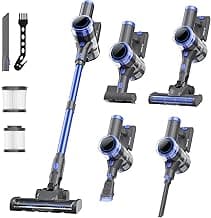
Cordless rechargeable handhelds offer compromise—charge from 120V when generator runs or shore power available, then operate battery-free for cleaning sessions. However, charging requires remembering and planning—not spontaneous grab-and-clean convenience 12V plug-in enables. Runtime limitations (10-20 minutes typical) suit RV's small square footage but prove frustrating when battery dies mid-cleaning and recharge requires hours preventing completion until next day or generator operation you're avoiding.
Corded 120V vacuums deliver best cleaning capability—strongest suction, sustained operation, no battery anxiety—but require generator operation or shore power. For full-timers frequently at campgrounds with electrical hookups, this proves entirely practical. For boondockers prioritizing off-grid capability or those minimizing generator use, 120V dependence proves dealbreaker regardless of superior cleaning performance. The power source compatibility determines usability more than any other specification—incompatible power renders excellent vacuum completely worthless for your specific situation.
The best vacuum for motorhome matches power source to your actual usage patterns—not theoretical capabilities but real behavior. Someone spending 80% of time at full-hookup campgrounds benefits from corded power. Someone boondocking or dry camping frequently needs battery-efficient solutions accepting performance compromises that power conservation demands. Mismatching power to usage pattern creates equipment sitting unused because operating it conflicts with how you actually live versus how you imagine living when purchasing.
Size and Storage: The Spatial Mathematics
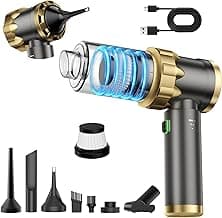
Handheld vacuums occupying less than 1 cubic foot prove most practical for many RVers—storing in cabinet without dominating precious space. These sacrifice capability for spatial efficiency that RV living demands prioritizing. The trade-off proves worthwhile when alternative involves no cleaning because full-size equipment's storage requirements exceed available space making ownership impossible regardless of theoretical performance advantages.
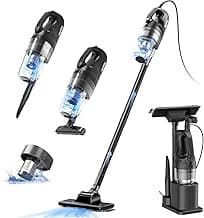
Wall-mounting options transform dead space into storage—attaching to interior walls, cabinet backs, or closet doors utilizing vertical surfaces otherwise wasted. This requires installation planning and commitment but reclaims floor and cabinet space for other purposes while keeping vacuum accessible rather than buried behind other items in shared storage creating retrieval friction preventing regular use.
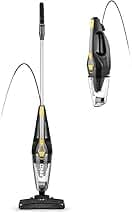
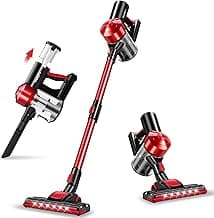
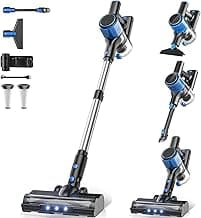
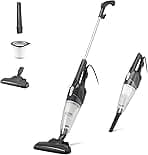
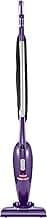
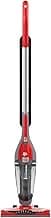
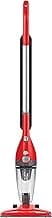
Stick vacuum form factors offer best compromise for many situations—narrow profiles fitting in closets alongside other items, quick-access for impulse cleaning, and adequate capability for RV's limited square footage. However, they require vertical storage space that RV designs sometimes lack through low ceilings or packed closets eliminating this elegant solution's viability despite seemingly perfect form factor for RV constraints.
External storage in bays proves tempting but creates problems—temperature extremes damaging electronics and batteries, moisture promoting corrosion and mold, and retrieval requiring going outside making quick cleaning sessions feel like projects rather than impulse maintenance. Equipment stored externally gets used dramatically less frequently than interior-stored alternatives regardless of performance capability simply through access friction preventing casual use.
Debris Types Demanding Different Capability
Sand proves particularly challenging—fine particles working deep into carpet fibers and upholstery weaves where inadequate suction can't extract. Beach camping or desert travel creates sand accumulation requiring genuine extraction capability versus surface maintenance adequate for typical house dust. Cheap vacuums appearing functional on house debris reveal inadequacy immediately confronting real sand infiltration that RV living near beaches or deserts creates unavoidably.
Pine needles, leaves, and organic outdoor debris prove larger and more voluminous than house dirt—clogging small dust cups and creating frequent-emptying interruptions. RV vacuums need adequate capacity handling outdoor contamination volume exceeding what equivalent square footage of house carpet would generate simply through your living happening in outdoor environments tracking nature inside constantly.
Mud and wet debris common after rainy camping or hiking require equipment tolerating slight moisture without immediate failure. While not wet-dry capability for standing water, resilience to damp dirt proves valuable when you can't always wait for complete drying before cleaning tracked-in contamination threatening to spread or permanently stain if not addressed quickly despite slight moisture content.
Road dust and diesel particulates from highway travel coat RV exteriors and infiltrate interiors through ventilation and entries. This industrial contamination differs from residential dust in composition and persistence—requiring more aggressive cleaning than house vacuums typically encounter. Equipment must handle this alongside natural outdoor debris creating contamination complexity exceeding typical residential cleaning challenges.
The Flooring Mix Most RVs Actually Feature
Vinyl plank flooring dominates modern RVs—easy cleaning, water resistance, lightweight, and acceptable appearance. This proves vacuum-friendly surface requiring mainly suction without aggressive brush action. However, textured surfaces and seams collect debris standard smooth-floor vacuums might miss, requiring edge capability and adequate suction overcoming surface friction holding particles.
Carpet sections in bedrooms or living areas demand different capability—requiring brush action and stronger suction extracting embedded debris versus just surface collection. The small carpet area relative to house carpeting might seem to reduce vacuum requirements, but contamination concentration from outdoor exposure demands capable extraction preventing progressive dinginess no amount of light cleaning reverses. For comprehensive carpet solutions, explore budget-appropriate options when space allows.
Entry mats and small rugs create transition zones where debris concentrates requiring thorough cleaning preventing dispersion throughout RV. These high-traffic areas accumulate disproportionate contamination needing attention beyond general floor maintenance. Equipment must handle both secured and loose mats without creating problems or requiring constant user intervention managing transitions.
Upholstered furniture and cushions accumulate dust, debris, and pet hair requiring dedicated attention beyond just floor cleaning. RV furniture proves smaller than house equivalents but faces equivalent or greater contamination from outdoor-focused lifestyle. Vacuum attachments for upholstery prove valuable rather than luxury additions when your couch cushions and bed pillows face same outdoor exposure creating need for thorough cleaning. Reference upholstery cleaning solutions for comprehensive furniture care approaches.
Weight and Portability Considerations
Every pound matters in RVs—affecting fuel economy, payload capacity, and handling. While single vacuum's weight proves negligible compared to overall RV mass, cumulative effect of heavy unnecessary equipment adds up across all household items. Lightweight vacuum designs suit RV living philosophy of carefully considering every item's weight contribution to total payload approaching or exceeding legal limits many RVers face.
Portability between RV and tow vehicle enables cleaning both spaces with single tool—practical when your truck or car used for towing gets dirty from same camping and travel creating RV contamination. However, this requires vacuum light and compact enough that transporting between vehicles feels effortless rather than project deterring comprehensive vehicle cleaning despite obvious need.
Ease of handling matters in tight RV spaces—maneuvering around furniture, reaching under cabinets, and cleaning overhead compartments without equipment weight or bulk creating difficulty. Lighter easier-handling vacuums get used more thoroughly and frequently versus capable-but-heavy equipment that sits unused because retrieving and maneuvering it feels burdensome in confined spaces RV interiors create regardless of total square footage specifications suggesting adequate room.
When 12V Automotive Vacuums Actually Work
Car/truck vacuums designed for automotive use technically function in RVs sharing 12V power systems—these prove ultra-compact, battery-friendly, and store easily. However, automotive vacuums optimize for occasional car interior cleaning, not residential-intensity use RV living demands. The duty cycle and capability prove inadequate for daily RV maintenance despite convenient power compatibility and storage simplicity seeming ideal solving RV constraints.
However, automotive vacuums serve supplementary roles well—quick spot cleaning, immediate spill response, or daily light maintenance between thorough weekly cleaning with more capable equipment. This layered approach using lightweight 12V for daily touchup plus more capable solution for deep sessions proves practical for many RVers versus expecting single tool optimally serving all scenarios despite severely different requirements.
For weekend warriors using RV occasionally rather than living full-time, automotive-grade vacuums might suffice entirely—use intensity stays low enough that limited capability proves adequate when cleaning frequency and thoroughness requirements stay modest matching recreational rather than residential use patterns. Understanding recipient's actual RV usage intensity informs whether simplified solutions work or whether residential-grade capability proves necessary despite RV constraints.
RV living isn't minimized house living—it's fundamentally different lifestyle creating unique challenges that house-appropriate solutions fail addressing regardless of downsizing or adaptation attempts.
The Wet-Dry Capability Question
Wet-dry capability suits RV environments where moisture encounters prove common—rain tracking inside, pet water bowls spilling, shower leaks, or condensation accumulation from temperature differentials. However, wet-dry vacuums typically prove bulkier and heavier than dry-only designs, creating storage challenges offsetting moisture-handling benefits for some users.
Small wet-dry shop vacuums provide multi-purpose utility—cleaning interior plus serving maintenance tasks like clearing drain lines, drying spills in storage bays, or workshop use at campsites. This versatility justifies storage space through serving multiple roles rather than single-purpose cleaning limiting utility relative to space consumed. For mechanically-inclined RVers, this multi-function approach proves valuable beyond just floor cleaning considerations.
However, wet-dry vacuums require maintenance house dry-only designs don't—emptying moisture, drying components preventing mold, and managing wet filters or foam sleeves. This attention proves burdensome for some users who'd prefer simpler dry-only maintenance despite occasionally needing moisture capability. The complexity-versus-capability trade-off varies by user preference and actual moisture encounter frequency in their specific RV usage patterns.
Noise Considerations in Confined Spaces
RV's small volume means vacuum noise proves dramatically more intrusive than house equivalent—70 decibels that proves tolerable in house becomes oppressive in RV's confined space where nowhere provides distance from noise source. This affects when cleaning can occur without disturbing fellow travelers sleeping in bedroom six feet from vacuuming area versus separate floor in houses providing natural sound isolation.
Campground etiquette restricts noisy activities to reasonable hours—vacuuming at 6 AM or 10 PM disturbs neighbors in ways house cleaning never creates through RV proximity to adjacent sites. This limits cleaning windows to mid-morning through early evening, potentially conflicting with recreational activities or meal times creating scheduling challenges that don't exist in houses where cleaning happens whenever convenient regardless of neighbor impact.
Quieter vacuum designs prove valuable in RV contexts beyond just comfort—enabling cleaning without disturbing sleeping passengers during travel days, maintaining good neighbor relations in campgrounds, or cleaning at dawn before activities begin without waking fellow campers. This noise consideration influences practical usability beyond just decibel measurements suggesting.
Battery Maintenance and Lifespan in RV Environments
Cordless vacuums with rechargeable batteries face challenges in RV storage—temperature extremes in bays or unheated RVs during winter storage accelerate battery degradation. Lithium batteries optimal storage temperature ranges (50-70°F) prove difficult maintaining in RVs experiencing wider temperature swings than climate-controlled houses provide consistently.
Charging discipline becomes more important—forgetting to charge before boondocking trip leaves vacuum useless when off-grid with no shore power available. Unlike houses where plugging in remains option regardless of forgetfulness, RV power management requires planning and discipline preventing casual "charge it whenever" approach house living allows taking for granted.
Battery replacement costs and availability matter more for RVers—accessing replacement batteries while traveling proves challenging when manufacturers require specific models unavailable at rural RV parks or small towns encountered during travel. This serviceability consideration affects whether cordless proves practical long-term or represents maintenance headache incompatible with mobile lifestyle lacking consistent access to specialty parts sources.
Gift Timing Supporting RV Lifestyle
After RV purchase or upgrade: Someone transitioning into RV ownership discovering house cleaning equipment proves incompatible with new lifestyle. Equipment gift acknowledging their new reality demonstrates understanding their changed circumstances requiring different solutions versus just congratulating RV purchase without addressing practical implications.
Before extended travel plans: Families planning multi-month road trips or retirees embarking on long-term travel deserve equipment enabling sustained cleanliness maintaining comfort throughout journey. Timing gift before departure shows support for their adventure while providing tools preventing discomfort or health issues inadequate cleaning would create during extended time away from home base.
After experiencing RV cleaning frustration: When friends mention struggling with cleanliness or complaining about bringing wrong equipment from house. Recognition of their articulated challenge shows you've listened rather than just nodding sympathetically without actionable support addressing specific problem they've identified through experience.
Retirement RV transition support: Couples selling houses and moving into full-time RV living facing complete lifestyle reinvention. Practical tools enabling successful transition demonstrate investment in their new life phase beyond just celebrating retirement decision verbally without supporting practical realities their choice creates. Consider how other milestone gifts balance symbolic recognition with practical utility.
Budget Realities for RV-Appropriate Equipment
Quality 12V vacuums cost $60-150—more than automotive equivalents but less than residential equipment, reflecting specialized engineering for mobile use. These represent sweet spot for many RVers balancing capability with RV-specific requirements that neither cheap automotive nor expensive residential equipment adequately addresses despite superficially seeming appropriate through price or capability alone.
Cordless handheld options range $80-200 depending on battery quality and suction capability. The best RV vacuum in this category balances runtime with suction—30-minute operation with adequate power versus 60-minute weak performance failing to actually clean despite impressive endurance specifications suggesting utility.
Compact corded options for shore-power use cost $100-250—delivering residential-quality cleaning for full-timers frequently at campgrounds with electrical hookups. These justify investment through superior capability when power availability matches usage patterns enabling leveraging 120V performance advantages over battery-constrained alternatives.
For gift contexts, mid-range investment ($100-150) proves appropriate for most relationships—adequate quality without premium pricing potentially exceeding comfortable gift acceptance thresholds. Budget alternatives prove false economy when they fail in months under RV use intensity, while premium options prove overkill for recreational users whose RV serves weekend camping versus permanent residence.
Reading RV Vacuum Reviews Critically
Filter reviews from actual RV owners versus car users—automotive vacuums get reviewed primarily by car owners whose use intensity and expectations differ dramatically from RV cleaning demands. RV-specific reviews reveal whether equipment survives extended residential-style use versus just automotive occasional cleaning it was designed serving.
Power source satisfaction proves critical—reviews mentioning battery life, 12V performance adequacy, or generator-operation complaints reveal whether power approach matches real-world usage patterns. These practical considerations determine daily usability more than cleaning capability specifications measured under ideal conditions reviews emphasize.
Long-term durability in mobile environment matters uniquely for RVs—equipment surviving house storage fails when subjected to constant vibration, temperature swings, and humidity variations RV travel and storage create. Reviews mentioning "still working after year of full-time RV living" validate durability beyond just initial performance impressing short-term users.
Alternative and Supplementary Approaches
Hand-brushing and dustpans prove surprisingly effective in RVs—small floor area makes manual sweeping practical when vacuuming feels like excessive equipment deployment for quick cleaning. This low-tech approach requires zero power, no storage space for equipment, and serves immediate needs without planning or setup. The simplicity suits RV minimalism philosophy some owners embrace.
Microfiber mops for hard floors enable cleaning without vacuum dependence—wet mopping removing tracked debris alongside dust in single pass. For vinyl-floor-dominant RVs, this proves viable alternative or supplement to vacuuming depending on contamination type and personal preference. When exploring comprehensive floor care, reference wet-dry solutions for integrated approaches.
Campground vacuum stations common at many RV parks provide periodic deep-cleaning capability supplementing portable equipment's daily maintenance. This hybrid approach using onsite powerful vacuums weekly plus portable tool for daily touchup proves practical when traveling habits include regular full-service campground stays providing this amenity access.
The Lifestyle Philosophy Dimension
Minimalist RVers intentionally limiting possessions might resist specialized vacuum viewing it as unnecessary consumption—preferring multi-purpose tools or manual cleaning over dedicated equipment. For these individuals, smallest viable solution or elimination of vacuum entirely through alternative methods proves consistent with values driving RV lifestyle choice. Respecting this philosophy means sometimes gifting nothing despite seeing "need" they've deliberately chosen not addressing through equipment purchase.
Comfort-focused RVers recreating home amenities in mobile format embrace specialized equipment maintaining residential cleanliness standards despite space constraints. For these users, appropriate RV vacuum enables sustained comfort matching their lifestyle priorities where cleanliness proves non-negotiable despite mobile living challenges. Understanding recipient's position on this minimalism-comfort spectrum informs whether equipment gifts prove welcome or feel like clutter additions they're actively avoiding.
The "good enough" philosophy many RVers adopt—accepting imperfect solutions for practical constraints—affects whether premium equipment proves appreciated or seems excessive for situations where adequate suffices. Sometimes decent $80 solution serves better than excellent $200 solution when recipient's standards embrace reasonable adequacy over perfection they don't need or value enough justifying significant cost increases.
The best RV equipment isn't what works best—it's what works well enough while fitting the actual constraints mobile living creates without pretending those constraints don't exist or matter.
When Professional Cleaning Makes More Sense
Deep cleaning at intervals during RV maintenance servicing provides thorough contamination removal portable equipment can't achieve—professional extraction equipment accessing embedded debris years of portable vacuum use can't reach. This periodic professional attention supplements daily portable maintenance rather than replacing it entirely, creating hybrid approach serving RV cleaning needs comprehensively.
Storage facility cleaning during off-season proves practical for seasonal RVers—using house equipment or rental extraction machines thoroughly cleaning RV before storage and again before season start. This eliminates need for RV-specific equipment when RV sits unused most of year and camping trips prove short enough tolerating imperfect cleaning until returning home for proper attention.
For some usage patterns, accepting "clean it properly at home" proves entirely rational—particularly weekend warriors whose RV camping happens close enough to home base that thorough cleaning between trips proves unnecessary. Three-day camping trips generating minimal contamination might not justify RV-specific equipment investment when house vacuum suffices for monthly thorough cleaning after returning home.
Success Metrics for RV Vacuum Gifts
Success involves sustained use matching RV living patterns—not just initial enthusiasm but seeing equipment actually deployed during camping trips rather than sitting in storage because it proved incompatible with recipient's real routines despite theoretical appropriateness. Behavioral integration matters more than verbal appreciation which politeness provides regardless of actual utility.
Positive indicators include: equipment visible in RV during visits, mentions of cleaning being easier now, or cleaner RV appearance suggesting regular maintenance actually happening versus theoretical capability sitting unused. Negative indicators: equipment absence suggesting storage at home rather than RV deployment, complaints about power or storage issues, or visible RV cleanliness unchanged suggesting cleaning habits didn't improve despite tool availability.
For uncertain gift scenarios, emphasize return flexibility: "If this doesn't fit your RV setup or usage pattern, absolutely exchange for something better suited." This enables honest assessment without guilt about returning thoughtful but inappropriate gift that seemed right during selection but proved mismatched to recipient's actual needs discovered only through attempted use in their specific situation.
The Complete RV Cleanliness System
Vacuum equipment represents one component within comprehensive RV maintenance—entry mats reducing tracked debris, shoe removal policies limiting interior contamination, regular exterior washing preventing infiltration, and establishing cleaning routines matching travel patterns rather than hoping for house-equivalent spontaneous maintenance impossibly sustained given RV constraints and outdoor-focused lifestyle generating constant contamination.
For gift contexts involving comprehensive RV support, coordinating multiple complementary items creates more value than single equipment piece—vacuum plus entry mat plus cleaning supplies plus storage solutions addresses complete system rather than just one component in isolation. This thoroughness demonstrates deeper understanding of recipient's complete situation beyond just addressing single obvious need visible to casual observation.
Long-Term Value in Mobile Context
RV equipment longevity proves different from house equivalents—vibration during travel, temperature extremes during storage, and humidity variations in mobile environments stress equipment beyond what stationary home storage creates. Durability considerations affecting house equipment intensify for RV applications where environmental stresses test reliability beyond what residential use reveals about quality and construction adequacy.
However, RV equipment often gets replaced or abandoned during RV lifestyle transitions—selling RV, upgrading to different model, or returning to stationary living after extended travel period. This lifecycle reality means equipment proving "adequate for duration owned" might suffice despite shorter absolute lifespan versus house equivalents expected serving decade-plus. Matching equipment investment to realistic RV ownership duration prevents over-investing in longevity exceeding actual need.
For full-time RVers treating RV as permanent home, equipment durability matters identically to house equivalents—years of sustained service justify investment in quality proving reliable long-term. For recreational users, accepting shorter lifespan or less-robust construction proves rational when usage intensity stays low and replacement costs prove modest relative to avoiding over-investment in capability exceeding actual requirements their limited use creates.
Gifts are for making an impression, not just for the sake of it.
GiftsPick - Meticulous, Kind, Objective.