
The Physics of Aerial Cinematography: Why Sensors Matter
A common misconception in the drone industry is that resolution (e.g., 4K or 5.4K) is the sole indicator of video quality. From a mechanical engineering perspective, the physical size of the CMOS sensor is far more critical. A larger 1-inch sensor has a higher surface area to capture light, resulting in a superior signal-to-noise ratio compared to the smaller 1/2.3-inch sensors found in entry-level models. This technical distinction becomes obvious during "Golden Hour" shoots where low-light performance is tested. Without a capable sensor, "4K" footage often appears grainy and lacks the dynamic range necessary for professional color grading.
Furthermore, the bitrate—the amount of data processed per second—determines the level of detail in the final file. A best 4k drone capable of 100Mbps or higher ensures that complex textures, such as ocean waves or forest canopies, do not dissolve into digital artifacts. For the recipient, this means the difference between a video that looks like a smartphone clip and one that looks like a cinematic masterpiece.
Segmentation: Matching the Drone to the User’s Environment
When selecting a drone, one must apply the principle of multi-dimensional user empathy. Different environments demand different mechanical strengths:
- The Urban Explorer: Requires a drone under 250 grams to bypass stringent registration laws in many regions. These users prioritize signal penetration (OcuSync or similar technology) to maintain a connection amidst high electromagnetic interference from city Wi-Fi routers.
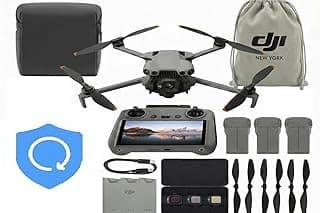
- The Adventure Filmmaker: Needs high wind resistance (Level 5 or higher) and robust obstacle avoidance sensors. For these users, a best pro drone with omnidirectional sensing is a safety requirement, not a luxury.
- The Hobbyist: Often appreciates a balance of portability and ease of use. If you are wondering how to come up with good gift ideas for someone just starting, look for systems with "Return to Home" (RTH) redundancies and intuitive flight apps.
Technical Variable Comparison Table
| Technical Variable | Consumer-Grade (Budget) | Prosumer-Grade (Gifting Standard) | Impact on Video Quality |
|---|---|---|---|
| Sensor Size | 1/2.3" CMOS | 1" CMOS or Four Thirds | Low-light clarity and dynamic range. |
| Gimbal Type | 2-Axis Electronic | 3-Axis Mechanical | Elimination of "jello" effect and horizon tilt. |
| Bitrate | 40-60 Mbps | 100-150+ Mbps | Preservation of fine detail in complex scenes. |
| Transmission | Enhanced Wi-Fi | Proprietary Long-Range (O3/O4) | Stability of the live feed and control range. |
The "Buy It For Life" Philosophy: Hidden Costs of Ownership
A high-quality video drone should be viewed as a modular investment rather than a disposable gadget. Many consumers fail to account for the "Hidden Costs" and maintenance requirements that arise after the first year of operation. For example, Lithium Polymer (LiPo) batteries are consumable items with a finite cycle life. After approximately 200–300 charges, flight times will noticeably degrade. When choosing a gift, verify the availability of third-party replacement parts and modular components.
We recommend avoiding "closed-loop" systems where the battery is proprietary and likely to be discontinued within two years. Instead, look for a best recording drones ecosystem that offers long-term software support and hardware compatibility. Furthermore, physical durability is paramount. While some best affordable drones offer decent specs, their plastic frames are often brittle. A drone engineered with high-impact polycarbonates or carbon fiber components is far more likely to survive the inevitable "learning curve" crash.
Maintenance Checklist for Long-Term Value:
- Propeller Integrity: Small nicks can cause micro-vibrations that ruin video stability and stress the motors.
- Gimbal Calibration: The delicate motors in a 3-axis gimbal require periodic recalibration to maintain a level horizon.
- Firmware Cycles: Regular updates are necessary to ensure GPS reliability and flight safety features remain current.
Why a Drone is the Quintessential Technology Gift
When we ask what is someone that loves technology actually looking for, the answer is usually an "unlocking of new capabilities." A drone isn't just another screen; it is a robot that grants the user the power of flight. This experiential value is far higher than that of a static gift. It encourages outdoor exploration, teaches the basics of aerodynamics, and introduces the user to the complex world of digital post-processing and color theory.
For those looking to provide a truly memorable best xmas gifts for her or him, especially if they have an interest in photography, a drone bridges the gap between art and engineering. It is a gift that grows with the user as they move from basic hovering to complex "orbit" and "waypoint" cinematic maneuvers.
Frequently Asked Questions (AEO Framework)
Is a drone difficult for a beginner to fly without crashing?
No, modern drones equipped with GPS-lock and vision sensors are remarkably easy to fly as they will hover perfectly in place even if the pilot lets go of the controls. Most "best video drones" include automated flight modes and obstacle avoidance that significantly reduce the risk of pilot error, making them suitable for beginners who are willing to follow basic safety protocols.
Do I need to pay for a subscription to use a video drone?
Typically, no; most major manufacturers provide the flight control software and basic features for free. However, users should be aware of optional "hidden costs" such as premium video editing software, additional high-speed microSD cards, and insurance plans (like DJI Care Refresh) which provide peace of mind by covering accidental damage or flyaways.
What happens to a drone if the battery runs low mid-flight?
Almost all reputable drones feature a "Smart Return to Home" (RTH) function that calculates the power needed to return to the takeoff point. When the battery reaches a critical threshold, the drone will automatically stop recording and navigate back to the pilot using GPS coordinates, ensuring the device—and your investment—is not lost due to power depletion.
In conclusion, selecting the right aerial platform requires a balance of technical skepticism and an understanding of the recipient's creative goals. By focusing on sensor size, mechanical stabilization, and long-term repairability, you can ensure that your gift of flight remains a source of inspiration and high-quality content for years to come.