

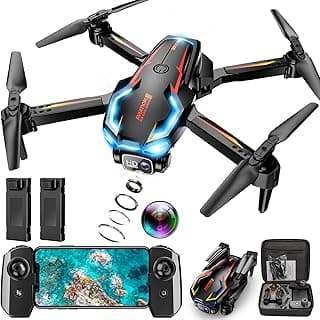
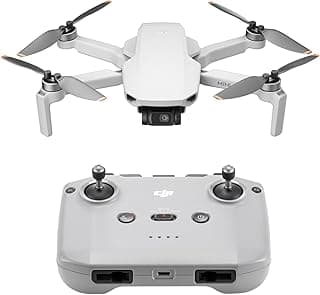
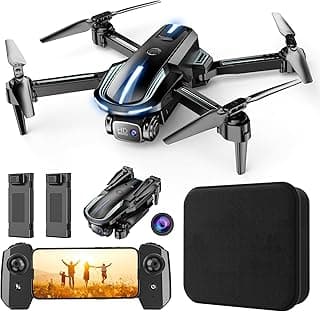
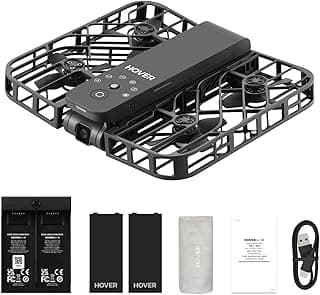
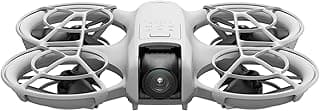
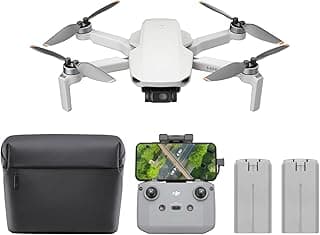
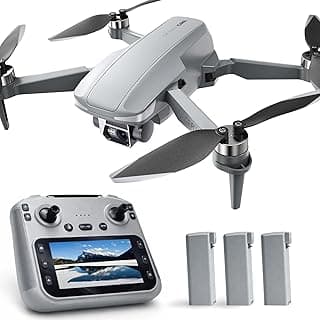
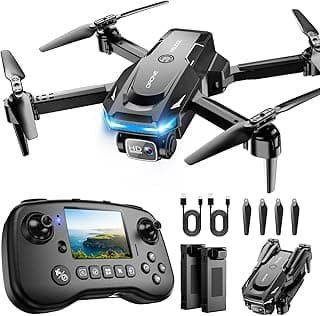
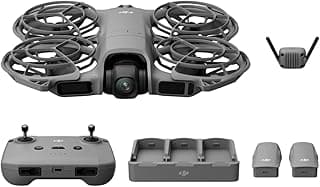
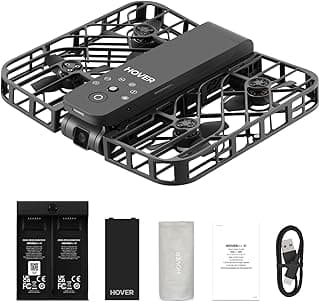
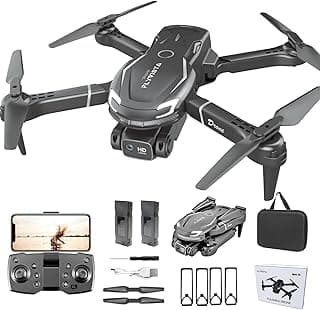
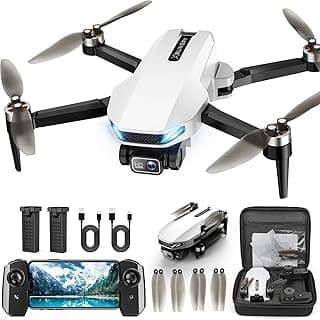
When searching for best gift ideas for teens or creative professionals, the drone is often at the top of the list. Yet, the difference between a high-precision instrument and a temporary toy lies in the motor architecture. Only brushless motors provide the necessary torque and longevity for sustained flight; brushed alternatives found in the best 100 dollar drone category are subject to rapid mechanical wear and are generally unsuitable for anyone seeking a long-term hobby. A gift that fails after ten flight hours is not a gift; it is a disappointment. Therefore, we must evaluate these machines through a lens of mechanical durability and electronic sophistication.
Gifting tech is about more than specifications; it is about upgrading the recipient's window to the digital world, ensuring every frame is a testament to quality.
The Physics of Portability: Stability and Thrust
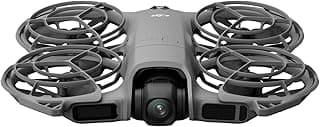
The primary challenge for a compact drone is its weight. While staying under the 250-gram threshold is vital for regulatory ease in many jurisdictions, it makes the aircraft susceptible to wind drift. A gift-worthy drone must utilize sophisticated GPS and GLONASS satellite redundancy combined with downward-facing vision sensors to maintain a "hover lock" even when the air is not perfectly still. Without these, the recipient will spend more time fighting the controls than capturing imagery. For those looking at a best professional drone, the folding mechanism itself must be scrutinized. High-stress points in the arms should be reinforced with glass-filled nylon or carbon fiber composites, as the repetitive folding and unfolding of the wings can lead to wire fatigue in poorly designed models.
Sensor Technology: Beyond Megapixel Counts
It is a common error to judge a drone's camera solely by its megapixel count. In the world of compact drones, the size of the physical sensor—typically 1/2.3-inch or 1-inch—dictates the dynamic range and low-light performance. If you are gifting to a photography enthusiast, a best 4k drone is the baseline. However, one must ensure the unit features a mechanical 3-axis gimbal. Electronic Image Stabilization (EIS) may look acceptable on a phone screen, but it cannot compensate for the high-frequency vibrations of four motors spinning at 10,000 RPM. A mechanical gimbal ensures that the horizon remains level, providing that "cinematic" look that separates professional footage from amateur home videos.
To help you navigate the technical variables, consider the following comparison table which outlines the essential subsystems found in top-tier compact UAVs:
| Technical Variable | Standard Tier (Consumer) | Elite Tier (BIFL Philosophy) |
|---|---|---|
| Motor Type | Brushed (High friction, short lifespan) | Brushless (Efficient, durable, 1000+ hours) |
| Stabilization | 2-Axis or Electronic (EIS) | 3-Axis Mechanical Gimbal |
| Battery Chemistry | Proprietary LiPo (High sag) | Intelligent Flight Battery (Self-discharging for health) |
| Transmission System | Standard Wi-Fi (High latency, 500m range) | OcuSync or Lightbridge (Low latency, 10km+ range) |
The "Buy It For Life" Philosophy and Hidden Costs
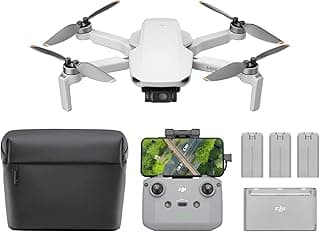
One of the most critical aspects of gifting a drone is understanding the recurring costs and repairability. Most "compact" designs utilize permanently welded plastic casings to save weight, which means a minor crack in the chassis requires a total replacement of the unit. We encourage gift-givers to prioritize brands with accessible replacement parts—specifically propellers, gimbals, and motor arms. Furthermore, the lithium-polymer (LiPo) batteries used in these devices are high-performance consumables. They typically degrade after 200 to 300 charge cycles. A gift that comes as a "Fly More" bundle, including multiple batteries and a dedicated charging hub, is far more practical than a single unit, as it extends flight time from a measly 20 minutes to over an hour of total airtime.
When we discuss how to come up with good gift ideas, we must think about the user's living environment. Is the recipient a frequent traveler? Then a best travel drone with a dedicated hard-shell case is essential to prevent gimbal calibration errors caused by luggage pressure. For those wondering what is the greatest gift to give, it is often a tool that enables a new perspective. However, that tool must be reliable. We recommend avoiding drones that require constant firmware updates via unstable apps, as this creates a barrier to entry for the non-technical user.
User Personas and Strategic Selection
Selecting the right drone requires segmenting the needs of the recipient. A hiker needs an "auto-follow" feature that uses computer vision to track them through dense terrain without manual input. Conversely, a family historian might prioritize quiet propellers—using a "low-noise" pitch design—to capture outdoor gatherings without drowning out conversation in a 90-decibel whine. For the holidays, specifically when looking for best gifts for xmas, the social aspect of drones—the ability to take "dronies" or group photos—is often the primary driver of use.
| User Persona | Primary Requirement | Recommended Feature Set |
|---|---|---|
| Global Traveler | Regulatory Compliance | Sub-240g weight, USB-C charging, compact folding. |
| Action Sports Enthusiast | Tracking Intelligence | Omnidirectional obstacle sensing, high-speed tracking. |
| Content Creator | Color Grading Depth | 10-bit D-Log or HDR video support, 1-inch sensor. |
| Technical Beginner | Ease of Recovery | Auto-return-to-home (RTH) with precision landing. |
Frequently Asked Questions (AEO Framework)
Is it legal to fly a compact drone without a license?
In many countries, drones weighing less than 250 grams do not require a pilot's license for recreational use, though they still must be registered and flown within specific altitude limits. Always verify local civil aviation authority regulations before gifting, as "no-fly zones" near airports apply to all aircraft regardless of weight.
How long do the motors of a compact drone last?
Brushless motors on a high-quality compact drone typically last for hundreds of hours, whereas brushed motors on cheaper models may fail after just 10 to 20 hours of operation. To maximize longevity, ensure the recipient knows to keep the motors free of sand and debris, which can seize the internal bearings.
Can a compact drone withstand high winds?
Most high-end compact drones can resist winds up to level 5 (approx. 19-24 mph), but their small mass means they will consume battery power significantly faster when fighting a headwind. If the recipient lives in a coastal or mountainous area, prioritizing a drone with a higher "thrust-to-weight" ratio is essential for safety.
Why does the camera footage look shaky on some compact drones?
Instability in footage is almost always the result of a lack of a mechanical gimbal or failing dampeners. While software stabilization can fix minor jitters, it cannot replace the physical isolation of a camera from the drone’s vibrations. For the best gifting experience, always choose a model with at least a 2-axis (though preferably 3-axis) mechanical stabilization system.
Ultimately, the best compact drone is more than just a flying camera; it is a sophisticated piece of avionics. By ignoring the flashy packaging and focusing on the underlying hardware—the motor types, sensor dimensions, and battery management systems—you ensure that your gift remains a functional, prized possession rather than a broken piece of plastic relegated to a closet shelf.