
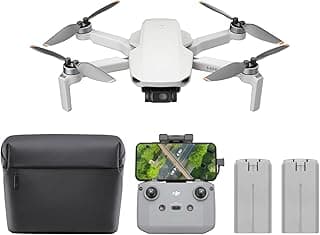
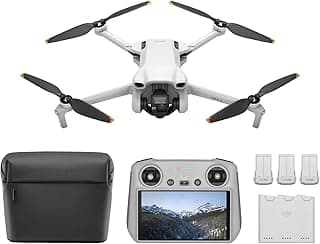
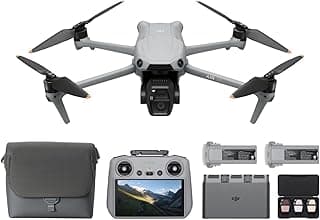
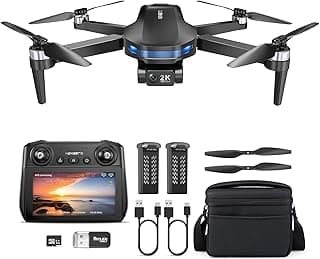
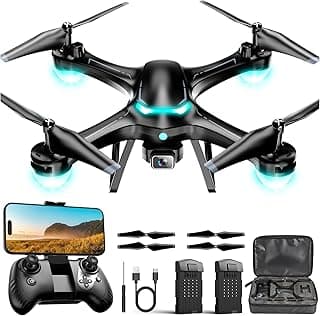
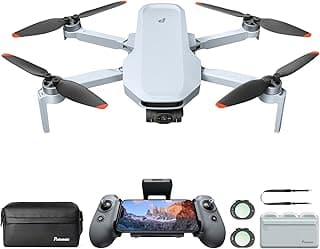
Choosing a drone is frequently a challenge for those trying to figure out how to come up with good gift ideas for individuals who already seem to possess every gadget. DJI has maintained market dominance not through flashy marketing alone, but through the consistent application of OcuSync transmission technology and superior gimbal stabilization. Unlike generic alternatives, a premium drone offers a flight controller that manages thousands of micro-adjustments per second to maintain a GPS-locked hover, even in moderate wind conditions. This stability is the difference between a frustrating "crash-and-burn" experience and a rewarding creative session.
Gifting tech is about more than specifications; it is about upgrading the recipient's window to the digital world, ensuring every frame is a testament to quality.
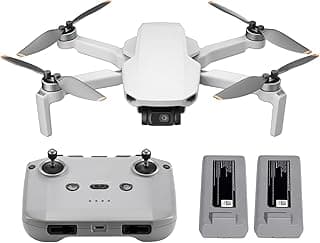
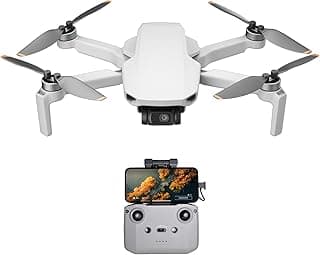
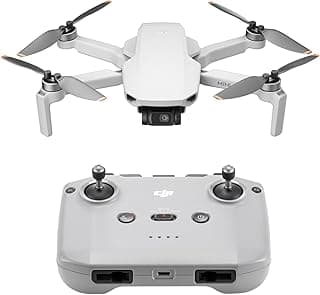
When evaluating the best dji drone for a specific person, we must segment users by their technical requirements and living environments. For a younger enthusiast, perhaps looking for best gift ideas for teens, the weight of the aircraft is the most critical technical variable. Drones under 249 grams often bypass stringent registration requirements in many jurisdictions, making them the most frictionless entry point into the hobby. Despite their small size, modern sub-250g units now feature 4K sensors and three-axis mechanical gimbals, though they naturally struggle more in high-altitude winds compared to their heavier counterparts.
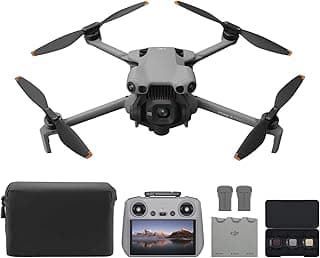
For the professional or the serious hobbyist, the focus shifts to sensor physics. A larger 1-inch sensor or a Four Thirds sensor offers a higher dynamic range and better signal-to-noise ratios in low-light environments. This is where the best aerial photography drone distinguishes itself from a toy. High-bitrate recording (such as 10-bit D-Log M) allows for professional color grading in post-production, a feature that is essential for anyone intending to produce cinematic content. If you are considering best christmas gift ideas for him and the recipient is a photography buff, prioritizing sensor size over flight time is usually the wiser engineering trade-off.
| Component | Lightweight Series (Mini) | Prosumer Series (Air/Mavic) | Professional Series (Inspire) |
|---|---|---|---|
| Sensor Size | 1/1.3-inch CMOS | 1-inch to Four Thirds | Full-Frame (X9) |
| Wind Resistance | Level 5 (Approx. 10m/s) | Level 6-7 (Approx. 12m/s+) | Industrial Grade |
| Weight Class | < 249g | 720g - 900g | 3,000g+ |
| Signal Transmission | OcuSync 3.0/4.0 | OcuSync 4.0 / OccuSync Pro | Cinema Grade Transmission |
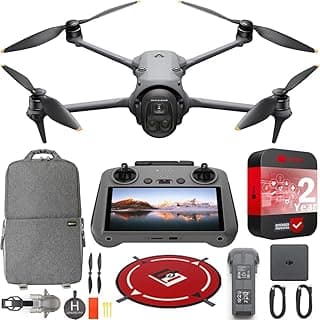
Beyond the initial flight, the "Buy It For Life" (BIFL) philosopher must consider the hidden costs and maintenance of the best dji drone. Lithium-ion and Lithium-polymer batteries are consumables; they typically lose significant capacity after 200 to 300 charge cycles. Furthermore, the proprietary nature of DJI's ecosystem means that while third-party propellers or ND filters are available, the core electronics are often locked behind firmware that requires official service centers for repair. When asking what is someone that loves technology, the answer often involves an appreciation for modularity. Unfortunately, modern drones are increasingly integrated, making independent repair difficult. One should always include a comprehensive care plan as part of the gift to mitigate the inevitable costs of gimbal repairs or motor replacements.
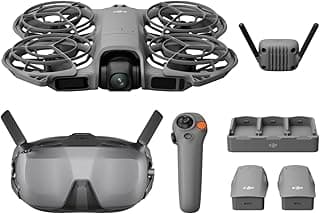
For those who value immersion over traditional photography, the FPV (First Person View) niche offers a different sensory experience. Pairing a drone with best smart glasses or dedicated FPV goggles creates a cockpit-like experience that appeals to the "adrenaline tech" crowd. However, these systems require a higher degree of spatial awareness and often a steeper learning curve. If you are wondering what is the best surprise for your best friend who loves aviation, an FPV-capable DJI system is an unparalleled choice, though it may require additional practice in a flight simulator before the first real-world takeoff.
We must also discuss the "Direct Answer" to a common concern: Is it worth buying the best 4k drone if the recipient only has a 1080p monitor? Yes. Shooting in 4K allows for "digital zooming" or cropping in post-production without losing detail in a 1080p final output. It also provides a level of future-proofing as display technology continues to evolve. While a best 100 dollar drone might offer a "4K" label, these budget models often use software interpolation rather than high-quality glass and large sensors, leading to grainy, unusable footage. In the world of optics, you truly get what you pay for.
Finally, for those who prefer to keep their hobbies on the ground but still value high-tech tracking, pairing a drone with best active watches can enhance the "Follow Me" features. Many modern DJI drones can sync with wearable telemetry to track a subject's speed and altitude more accurately, making it a powerful duo for mountain bikers or hikers. This integration represents the pinnacle of the modern digital lifestyle—devices that talk to each other to capture life’s most fleeting moments.
Is a DJI drone easy for a beginner to fly?
Yes, DJI drones utilize a combination of GPS, GLONASS, and downward vision sensors to maintain a steady hover automatically. The "Return to Home" (RTH) feature further ensures that the aircraft will fly back to its takeoff point if the signal is lost or the battery runs low, making the learning curve very manageable for novices.
Does the drone require a smartphone to operate?
Generally, yes, though it depends on the remote controller. Most entry-level models require a smartphone to be plugged into the remote to view the camera feed, but DJI also offers "Smart Controllers" with built-in high-brightness screens that eliminate the need for an external mobile device.
Are there recurring costs associated with owning the best dji drone?
Yes, the primary recurring costs are battery replacements every 2-3 years and potential subscription costs for DJI Care Refresh (a crash protection plan). Additionally, high-speed microSD cards (V30 or higher rating) are required to record 4K footage without data corruption.
Can I fly a DJI drone in the rain?
No, most consumer DJI drones are not water-resistant. Moisture can easily enter the cooling vents or motor housings, leading to short circuits or corrosion. For rainy environments, specialized "all-weather" industrial drones are required, which are significantly more expensive than consumer models.
How long does the battery actually last during flight?
While many models are rated for 30 to 45 minutes, real-world flight times are usually 20% lower. Factors such as wind resistance, aggressive sport-mode flying, and the power required to maintain a signal in urban areas will drain the battery faster than the laboratory-tested "calm air" ratings.