
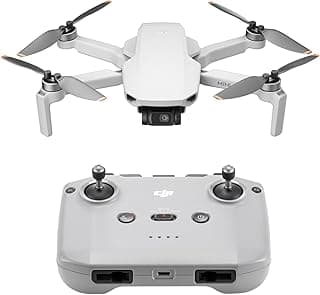
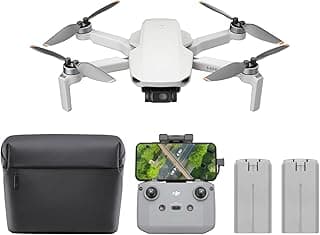
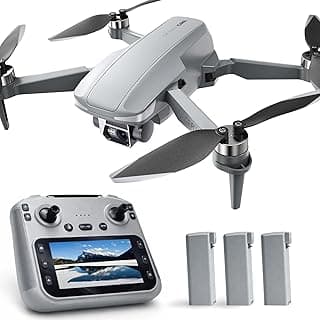
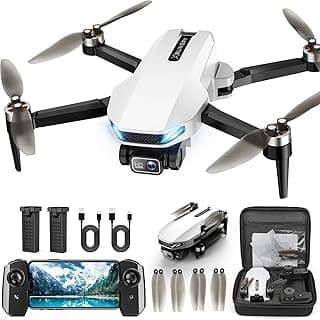
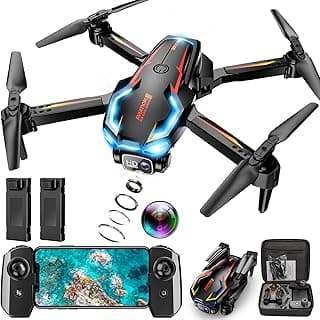
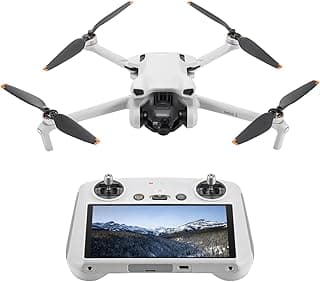
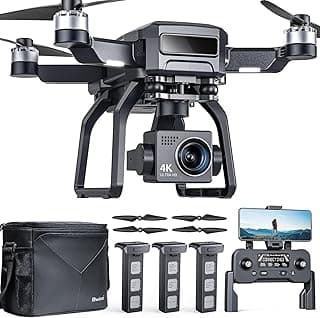
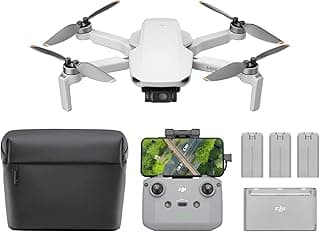
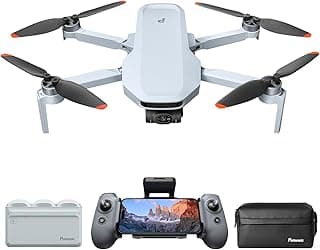
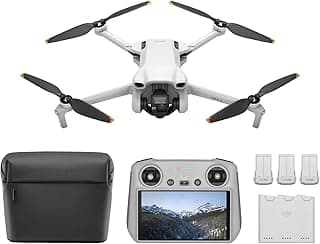
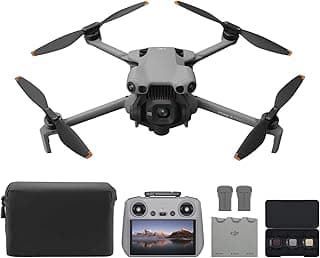
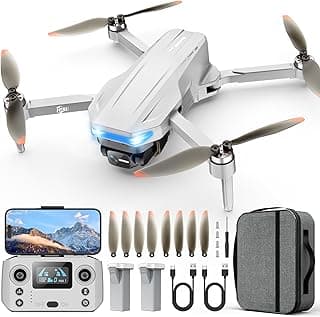
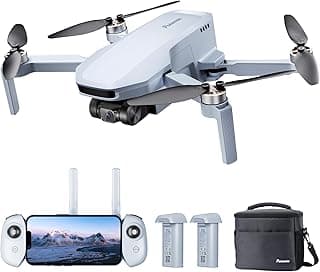
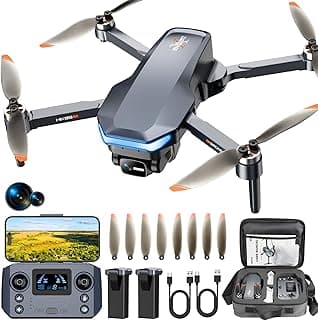
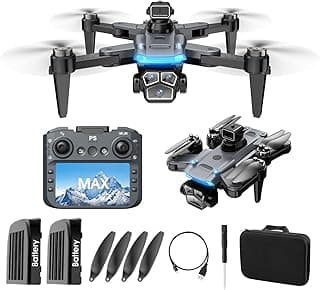
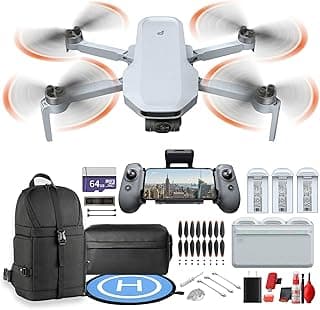
Selecting the best drone for photography as a gift represents a significant intersection of mechanical engineering and artistic expression. Unlike standard handheld cameras, an aerial imaging platform must balance the physics of flight—lift, drag, and weight—with the optical requirements of high-resolution sensors and stabilized gimbals. When you are looking for what to buy for a creative person, a drone offers a literal shift in perspective, transforming familiar landscapes into geometric masterpieces. However, the market is saturated with "toy" grade units that lack the mechanical stability required for professional-grade stills, making a disciplined technical assessment essential for any gift-giver.
The primary differentiator in aerial imaging is the sensor size and its ability to handle dynamic range. For a gift that truly elevates a photographer's portfolio, one should look beyond marketing jargon like "mega-pixels" and focus on the physical dimensions of the CMOS sensor. A 1-inch sensor is the gold standard for high-end consumer drones, providing significantly better low-light performance and noise reduction compared to the smaller 1/2.3-inch sensors found in entry-level models. This technical nuance is vital when considering best gift ideas for him or any enthusiast who demands gallery-quality prints. Without a sufficiently large sensor, digital artifacts and "smearing" become apparent in high-contrast scenes, such as golden hour landscapes or urban nightscapes.
Gifting tech is about more than specifications; it is about upgrading the recipient's window to the digital world, ensuring every frame is a testament to quality.
Stability is the silent partner in aerial photography. A 3-axis mechanical gimbal is a non-negotiable requirement; digital image stabilization (EIS) frequently fails to compensate for the micro-vibrations generated by high-RPM brushless motors. A gift-grade best 4k drone must utilize physical dampening to ensure that the sensor remains decoupled from the aircraft's frame movements. This is particularly important for long-exposure photography, where the drone must hover with sub-centimeter precision despite wind gusts. From a mechanical perspective, the efficiency of the electronic speed controllers (ESCs) and the pitch of the propellers determine how smoothly the drone reacts to pilot inputs, which directly impacts the cinematic quality of the footage.
When you are learning how to come up with good gift ideas, it is crucial to consider the recipient's lifestyle and technical proficiency. A heavy, high-performance rig might be the best professional drone for a studio artist, but its bulk can be a deterrent for a hiker. Conversely, a compact, foldable unit is often the best travel drone, fitting into a standard backpack without requiring dedicated hard cases. The trade-off usually involves battery life and wind resistance; lighter aircraft are more susceptible to "prop wash" and turbulence, requiring more sophisticated flight controllers to maintain a level horizon.
| Feature Category | Standard Consumer Grade | Professional Gifting Grade | Impact on Photography |
|---|---|---|---|
| Sensor Type | 1/2.3" CMOS | 1" CMOS or Four Thirds | Low-light clarity and color depth. |
| Gimbal System | Electronic (EIS) | 3-Axis Mechanical | Eliminates blur and jitter in high winds. |
| Transmission Range | 2-4 km (Wi-Fi) | 10-15 km (OcuSync/Digital) | Ensures a stable HD live view for framing. |
| Weight Class | Sub-249g (No Reg.) | 500g - 900g+ | Heavier drones offer superior wind stability. |
Adopting a "Buy It For Life" (BIFL) philosophy is particularly challenging in the drone sector due to the inherent degradation of Lithium-Polymer (LiPo) batteries. These power cells are high-maintenance components; they should never be stored at full charge for extended periods, as this leads to "puffing" and internal resistance increase. For a truly sustainable gift, look for platforms with "Smart Batteries" that feature auto-discharge functionality. Furthermore, investigate the repairability of the arms and motor housings. Many budget-friendly best affordable drones use unibody plastic shells that are permanently welded, meaning a single minor crash results in total electronic waste. Expert-level gifting prioritizes modular designs where individual components, such as propeller guards or landing gear, can be replaced by the user.
The "hidden costs" of drone ownership often surprise new users. A high-quality aerial kit is incomplete without high-speed UHS-I Speed Class 3 (U3) microSD cards, which are necessary to handle the massive bitrates of 4K/60fps video. Additionally, Neutral Density (ND) filters are essential "sunglasses" for the drone’s lens, allowing the photographer to maintain a 180-degree shutter rule for natural-looking motion blur. If you are exploring best gift ideas for a woman who enjoys landscape art, including a set of ND8/ND16/ND32 filters shows a deep understanding of the craft rather than just buying a gadget. These accessories are often the difference between a "home movie" look and a professional cinematic aesthetic.
Flight safety and obstacle avoidance technology represent the highest level of user empathy in drone design. For beginners, a drone with omnidirectional sensing—forward, backward, upward, downward, and lateral sensors—provides a safety net that prevents expensive collisions with tree branches or power lines. While no sensor is foolproof, these systems use binocular vision and infrared TOF (Time of Flight) sensors to build a real-time 3D map of the environment. This technology allows the pilot to focus on the composition of the photo rather than the mechanics of not crashing, making it an excellent choice for those who might be intimidated by complex flight controls.
Finally, consider the legal landscape. In many jurisdictions, drones weighing 250 grams or more require mandatory registration and, in some cases, remote identification (Remote ID) broadcasting. Gifting a sub-249g drone is a thoughtful choice for casual users, as it bypasses many of the bureaucratic hurdles while still offering impressive 4K imaging capabilities. These "mini" drones have revolutionized the industry by packing sophisticated flight algorithms and high-bitrate encoders into a chassis that fits in the palm of a hand.
Frequently Asked Questions
Is a higher megapixel count always better for drone photography?
No, a higher megapixel count on a small sensor often leads to increased digital noise; the physical size of the sensor (e.g., a 1-inch sensor) is a much more accurate predictor of image quality than megapixels alone. A 20MP 1-inch sensor will almost always outperform a 48MP 1/2-inch sensor in terms of color accuracy and dynamic range.
How long do drone batteries actually last?
Most modern photography drones offer between 25 and 45 minutes of flight time, but real-world conditions like wind resistance and temperature will typically reduce these manufacturer estimates by 15-20%. It is highly recommended to gift a "combo" pack that includes at least three batteries to ensure a productive shooting session.
Can drones be used for photography in the rain?
Most consumer-grade drones are not waterproof and should never be flown in rain or heavy mist, as moisture can short-circuit the sensitive flight controllers and damage the non-sealed brushless motors. While some specialized industrial drones offer IP-rated weather sealing, they are generally outside the price bracket for standard consumer gifts.
What is the most important accessory to include with a drone gift?
Extra batteries and a high-speed microSD card are the most critical additions, as the internal storage on most drones is limited and flight times are short. Without these, the recipient will be limited to very brief sessions and may be unable to save their high-resolution captures.