
The Engineering of Flight Endurance: Why Battery Capacity Isn't Everything
Most consumers mistake high milliamp-hour (mAh) ratings for guaranteed long flights. However, the best flying time drone relies on the synergy of high-efficiency brushless motors, optimized Electronic Speed Controllers (ESCs), and lightweight composite airframes. A drone equipped with a 5000mAh battery might stay up longer than one with 7000mAh if the former uses carbon-fiber components and higher-voltage 4S or 6S battery configurations that reduce current draw and heat loss.
When selecting a gift for what is someone that loves technology, consider the distinction between Lithium-Polymer (LiPo) and Lithium-Ion (Li-ion) power sources. While LiPo batteries offer the high discharge rates necessary for aggressive maneuvers, Li-ion cells—specifically the 18650 or 21700 formats found in long-range endurance drones—provide superior energy density for sustained, level flight. This technical nuance is the difference between a gift that lasts for a quick sprint and one that allows for meaningful landscape exploration.
Gifting tech is about more than specifications; it is about upgrading the recipient's window to the digital world, ensuring every frame is a testament to quality.
Comparing Flight Variables: A Technical Breakdown
To help you navigate the complex market of aerial technology, we have outlined the technical variables that define endurance. The following table compares three common tiers of drones found in current gift guides, focusing on the relationship between weight, power, and real-world results.
| Drone Category | Average Weight (grams) | Battery Capacity (mAh) | Effective Flight Time (mins) |
|---|---|---|---|
| Ultralight (Reg-Free) | < 249g | 2200 - 2400 | 25 - 31 |
| Prosumer Photographer | 500 - 900g | 3500 - 5000 | 34 - 46 |
| Professional Enterprise | > 2000g | 10,000+ | 40 - 55 |
As indicated by the data, a best professional drone often achieves its high endurance through sheer scale, utilizing dual-battery systems and high-torque motors. Conversely, for those looking for best gift ideas for teens, the ultralight category is often preferred because it bypasses many regulatory hurdles while still offering nearly thirty minutes of flight—a feat made possible by radical weight reduction in the airframe.
User Empathy: Matching the Drone to the Pilot
Choosing the best flying time drone is not a "one size fits all" process. A landscape photographer requires a stable platform like a best 4k drone that can hover steadily even in 20mph winds. For this user, flight time is critical because it allows them to wait for the "perfect light" or the exact moment a sunbeam hits a mountain peak. If the battery dies at twenty minutes, they might miss the shot entirely.
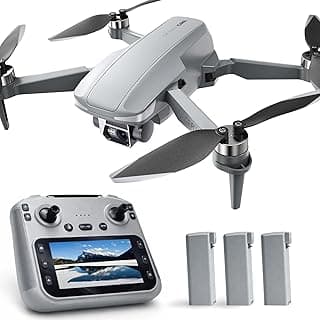
On the other hand, the casual hobbyist or younger recipient might be better served by best affordable drones that prioritize ease of use and safety features like "Return to Home" (RTH). Even if the flight time is slightly lower, the inclusion of multiple batteries in a "combo" pack can effectively triple their time in the air, offering a more practical solution than a single, high-cost endurance machine.
The Hidden Costs of Aerial Gifting: A BIFL Perspective
In the "Buy It For Life" (BIFL) community, drones are often viewed with skepticism due to battery degradation. A Lithium-based battery is a consumable component; after 200 to 300 charge cycles, its internal resistance increases, and the "best flying time" will begin to shrink. When gifting, you must look for modular systems where batteries are easily swappable and readily available from third-party manufacturers. Avoid proprietary designs where the battery is integrated into the chassis, as these machines become obsolete the moment the cell fails.
Furthermore, consider the availability of spare parts. The best flying time drone is useless if a minor propellor clip breaks and no replacements exist. Professional-grade machines often offer replaceable arms, motor bearings, and landing gear. Educating the recipient on battery storage—keeping cells at a 50% "storage charge" rather than 100% when not in use—is the most effective way to ensure the gift maintains its peak performance for years.
Advanced Features to Look For
When searching for a best aerial drone as a gift, look for these three endurance-extending features:
- Intelligent Flight Batteries: These contain self-discharging circuits and LED status indicators that prevent the cell from swelling during long periods of inactivity.
- OcuSync or Advanced Transmission: Efficient radio links use less power to maintain a video feed, allowing more energy to be diverted to the propulsion system.
- Aerodynamic Propeller Design: "Low-noise" propellors are often more aerodynamically efficient, meaning the motors don't have to spin as fast to maintain altitude.
Frequently Asked Questions
Is 30 minutes a good flight time for a drone?
Yes, 30 minutes is currently the industry standard for high-quality prosumer drones and is considered an excellent duration for most recreational and photography tasks. While some enterprise models can reach 45 or 55 minutes, they are significantly more expensive and larger; for most users, 30 minutes provides ample time to scout a location and capture high-resolution media without feeling rushed.
How can I increase the flying time of a gifted drone?
The most effective way to increase flying time without modifying hardware is to fly in "Position" or "Cinema" mode rather than "Sport" mode. Sport mode draws significantly more current to achieve high speeds and rapid acceleration, whereas slower, steady movements conserve battery life. Additionally, flying in low-wind conditions and removing unnecessary accessories like prop guards or external lights will reduce drag and weight, extending the airtime.
Why do drones lose flight time in cold weather?
Cold temperatures slow down the chemical reactions within the Lithium-Polymer battery, resulting in a lower voltage output and a faster depletion rate. If you are gifting a drone to someone in a cold climate, recommend that they pre-warm the batteries (keeping them in a pocket or an insulated bag) before take-off. Most intelligent batteries now include self-heating functions to mitigate this physical limitation, ensuring the drone remains airworthy even in winter conditions.
Ultimately, selecting the best flying time drone is about empowering the recipient to see the world from a perspective previously reserved for birds and pilots. By focusing on battery chemistry, weight optimization, and long-term repairability, you ensure that your gift remains a high-flying asset rather than a shelf-bound relic. Whether for a professional filmmaker or a tech-obsessed teen, the gift of more time in the air is the most valuable feature you can provide.