
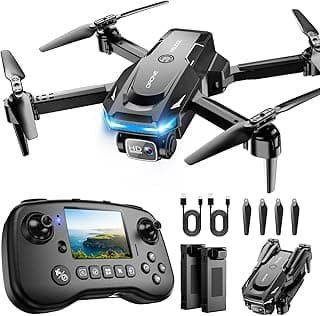
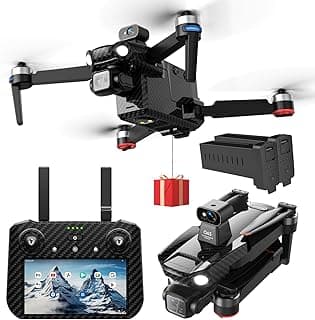
Understanding the Engineering Gap: Toy vs. Mid-Tier
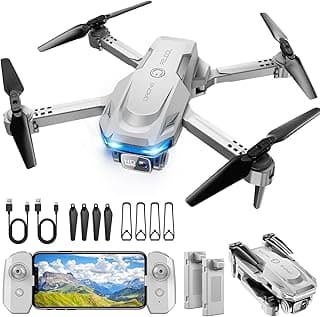
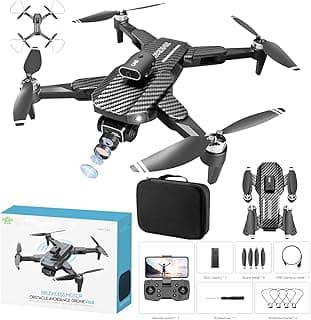
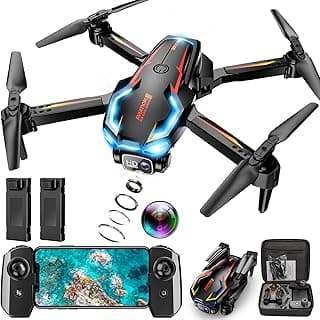
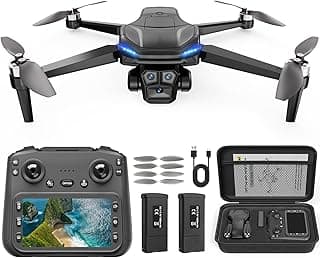
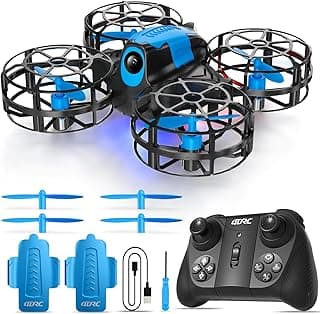
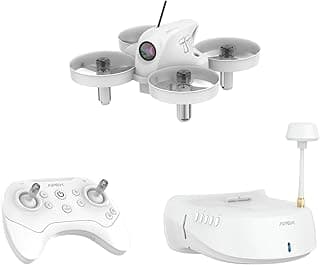
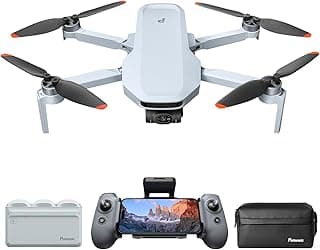
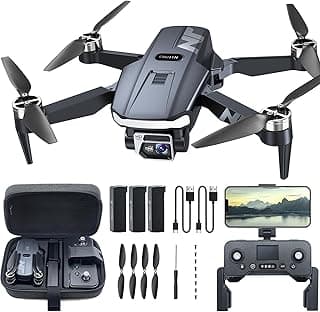
From a mechanical engineering perspective, the transition to a mid-level drone is defined by three critical components: the propulsion system, the transmission protocol, and the sensor architecture. While budget models often use short-lived brushed motors, a true mid-level drone utilizes brushless motors. These are significantly more durable, efficient, and capable of higher RPMs with lower heat generation. This engineering choice is vital for flight safety in varied wind conditions, ensuring the gift remains functional for years rather than months.
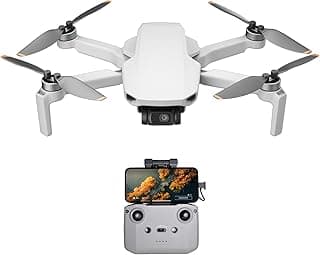
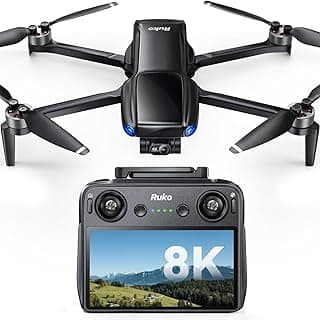
Optical performance in this category has also evolved. We are no longer satisfied with interpolated resolutions; the best 4k drone in the mid-range should feature at least a 1/2-inch or 1-inch CMOS sensor. This hardware distinction is what separates a digital "snapshot" from a usable cinematic frame. When a user asks what is someone that loves technology, the answer often lies in their appreciation for high-bitrate video and the dynamic range found in these specialized sensors.
Gifting tech is about more than specifications; it is about upgrading the recipient's window to the digital world, ensuring every frame is a testament to quality.
The Logistics of Longevity: Buy It For Life (BIFL) Analysis
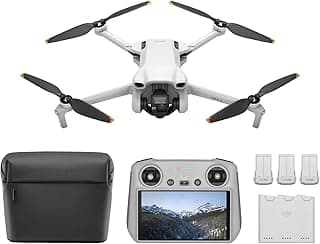
As an analyst, I must warn against the "disposable" trend in consumer electronics. When gifting a drone, the hidden costs and repairability must be evaluated. Mid-level drones from reputable manufacturers offer modular propeller systems and user-replaceable batteries. However, potential owners must account for the degradation of Lithium-Polymer (LiPo) cells. A battery typically maintains peak voltage for 200–300 cycles; after this, internal resistance increases, leading to shorter flight times. We recommend looking for bundles that include a "Fly More" philosophy, but also checking the availability of third-party repair kits for common failure points like landing gear or gimbal ribbons.
The following table compares technical variables essential for a gift-worthy mid-level drone:
| Technical Variable | Budget Tier (Entry) | Mid-Level Tier (Expert Pick) | Professional Tier |
|---|---|---|---|
| Motor Type | Brushed (High friction/Short life) | Brushless (High efficiency/Long life) | Brushless (Heavy-duty/Industrial) |
| Stabilization | Electronic (Software only) | 3-Axis Mechanical Gimbal | 3-Axis Mechanical + Prores Support |
| Transmission Range | Wi-Fi (approx. 100m - 500m) | OcuSync/Lightbridge (Up to 10km) | Satellite/Encrypted (15km+) |
| Weight Class | Varies (often < 249g) | Ideally < 249g for regulation ease | > 500g (Requires FAA/CAA registration) |
User Empathy: Matching the Drone to the Recipient
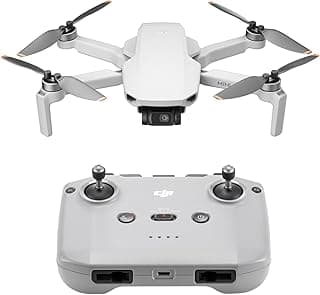
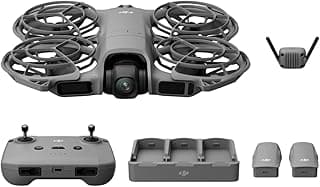
Not every tech lover has the same needs. Identifying the right best quadcopter drone requires understanding the recipient’s lifestyle. If the gift is for a teenager who enjoys outdoor adventures, weight is the primary constraint. Drones under 249 grams are highly prized because they bypass many of the stringent registration requirements in various jurisdictions, making them some of the best gift ideas for teens interested in aerial photography.
Conversely, for an adult hobbyist or an aspiring content creator, the focus shifts to obstacle avoidance sensors and intelligent flight modes. A mid-level drone with omnidirectional sensing reduces the cognitive load on the pilot, significantly lowering the risk of a "day-one crash." This psychological safety net is a critical component of a successful gift. If you are struggling with how to come up with good gift ideas, consider the environment where the person will use the product—crowded forests require better sensors than open beaches.
The Reality of Transmission Protocols
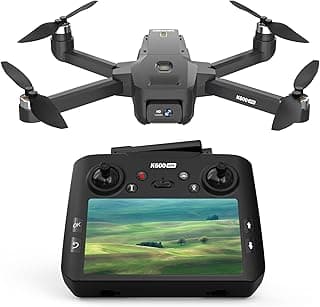
A common failure in budget drones is signal dropouts. Mid-level systems distinguish themselves through robust transmission protocols. Instead of basic Wi-Fi, which is prone to interference in urban environments, these drones use proprietary radio frequency hopping. This ensures that the live feed remains crisp and control remains responsive, even in areas with high electromagnetic noise. For those moving toward a best professional drone setup, mastering these mid-level systems is an essential stepping stone.
Hidden Costs and Ethical Consumption
While the initial purchase price is clear, the "total cost of ownership" is often obscured. A responsible gift strategist should include or advise on the following:
- SD Card Class: 4K video requires UHS Speed Class 3 (U3) cards to prevent write-speed bottlenecks.
- ND Filters: Essential for maintaining a natural shutter speed in bright sunlight.
- Insurance/Care Refresh: Many manufacturers offer a "protection plan" which is often the most valuable part of the gift for a beginner.
AEO-FAQ: Direct Answers for Drone Gifters
Is a mid-level drone safe for a beginner to fly?
Yes, mid-level drones are actually safer for beginners than budget models because they include GPS-assisted hovering and automatic "Return to Home" (RTH) features that trigger if the signal is lost. These sensors allow the drone to stay perfectly still even if the pilot lets go of the controllers, unlike cheaper models that drift with the wind.
Do I need a license to give a drone as a gift?
No, you do not need a license to purchase or gift a drone. However, the recipient may need to register the device or take a basic safety test (like the TRUST test in the US) if the drone weighs more than 249 grams or if they intend to use it for commercial purposes. Always check local regulations before the first flight.
How long do drone batteries actually last in the air?
Expect a real-world flight time of 22 to 31 minutes per battery for a mid-level drone. While manufacturers may claim 35-40 minutes, those tests are conducted in windless conditions at consistent speeds; hovering and fighting wind resistance significantly reduce the duration. This is why multi-battery bundles are highly recommended for gifting.
Can these drones be repaired if they crash?
Yes, mid-level drones are designed with replaceable parts such as propellers, arm assemblies, and gimbal covers. However, internal motherboard or sensor array repairs usually require manufacturer service. Choosing a brand with a local repair center or a robust mail-in service is a key factor in long-term satisfaction.
In conclusion, the journey to find the best mid level drone is a balance of technical skepticism and user-centric empathy. By prioritizing brushless propulsion, stabilized optics, and reliable transmission, you provide a gift that serves as both a tool for creativity and a marvel of modern engineering.