
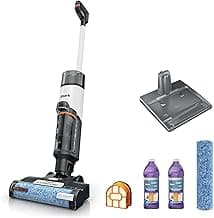
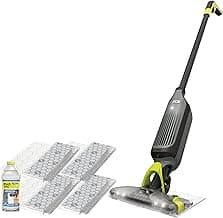
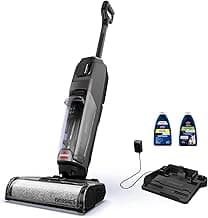
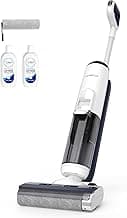
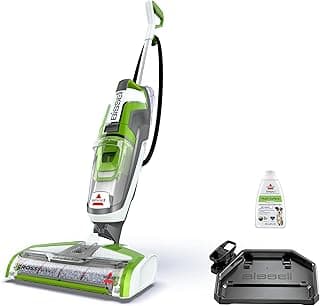
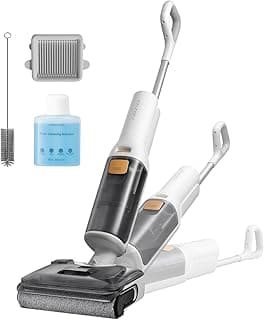
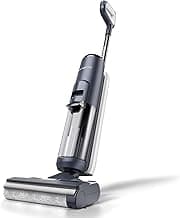
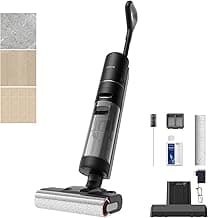
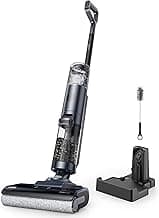
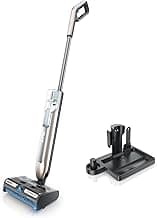
The Combination Device Philosophy: Why It Sometimes Works Here
Vacuum-mop combos face different engineering challenges than vacuum-only or mop-only designs. But unlike printer-copier-scanners failing at all three functions, quality combination floor cleaners actually succeed at their integrated task. The core activities—removing dry debris and cleaning with moisture—complement rather than conflict. Vacuuming precedes mopping naturally. The same path across floors serves both functions. Integration makes logical sense beyond just marketing convenience.
This differs fundamentally from robot vacuum-mop combos where water tanks steal dust capacity and battery life. Upright and stick combination designs don't sacrifice core vacuum performance for mopping capability—they add moisture application to existing vacuum platforms. Done well, this creates genuinely useful tools. Done poorly, it creates expensive equipment doing both jobs inadequately while storage takes space two separate tools would occupy anyway.
The question isn't whether vacuum-mop combos work in absolute terms—it's whether they work for specific recipient's actual cleaning situation. Someone in 600-square-foot apartment with all tile floors benefits enormously from consolidated equipment. Someone in 3,000-square-foot house with 60% carpet wastes money on mopping capability they'll rarely use while accepting compromised vacuum performance. Matching tool to context determines success rather than declaring combos universally good or bad.
The best tool isn't always the most specialized—sometimes it's the one matching actual space constraints and usage patterns rather than theoretical performance maximums.
Who Actually Benefits: The Honest Use Case Assessment
Small apartment and studio dwellers: Limited storage space makes multiple cleaning tools genuinely problematic. No utility closets, minimal cabinet space, every square foot occupied. Combination devices solving this constraint deliver real value beyond marketing convenience. Someone living in 400 square feet doesn't need peak vacuum performance—they need equipment fitting their life without dominating their limited closet space. For those considering practical gifts for young women in first apartments, space-conscious solutions demonstrate understanding beyond just picking popular products.
All-hard-floor homes needing frequent mopping: Properties with tile, vinyl, or sealed concrete throughout face daily mopping needs but minimal carpet cleaning. Traditional vacuums sitting mostly unused waste storage while mops get constant use. Combination devices serving these homes optimize for actual dominant task (mopping) while handling occasional dust and debris removal competently. The compromise makes sense when mopping represents 80% of floor care needs.
Quick-clean enthusiasts over deep-clean perfectionists: Some people vacuum and mop weekly on strict schedules, investing hours in thorough cleaning. Others spot-clean as needed, preferring frequent light maintenance over scheduled intensive sessions. Combination devices suit the latter beautifully—grab, clean spill zone, done. No hauling vacuum then getting mop, just handle mess immediately with single tool. This psychological match matters more than technical specifications suggest.
Mobility-limited users needing simplified processes: Arthritis, balance issues, or general aging make retrieving and managing multiple cleaning tools increasingly difficult. Combination devices reducing physical task complexity enable continued independent home maintenance. For someone struggling with strength or balance, accepting slightly compromised performance beats abandoning floor cleaning entirely because equipment management feels overwhelming. This accessibility dimension transforms practical tools into independence enablers worth celebrating through thoughtful gifting.
The Technology Approaches: How Combos Actually Work
Steam-based systems generate heat converting water to vapor—sanitizing while cleaning without chemicals. These work brilliantly on sealed hard floors (tile, vinyl, sealed hardwood) but risk damage on unsealed wood, laminate seams, or grout requiring moisture control. The best vacuum and mop combo using steam includes clear usage guidance preventing damage through moisture misapplication on inappropriate surfaces.
Spray-and-scrub designs apply cleaning solution while rotating pads scrub floors. These mimic traditional mopping more closely than steam systems—controllable moisture, familiar cleaning action, compatibility with various floor types. However, they require regular pad washing and cleaning solution management adding maintenance complexity. For recipients comfortable with this upkeep, performance often exceeds steam alternatives on moderately soiled floors.
Dual-tank systems separate clean and dirty water—fresh solution applies while dirty moisture extracts into separate reservoir. This approach prevents redistributing dirty water like traditional mopping but adds weight and complexity. The engineering sophistication appeals to some users while intimidating others. Matching system complexity to recipient's comfort level prevents gifting equipment that sits unused because operation feels burdensome.
Some designs feature removable water tanks enabling vacuum-only operation when mopping isn't needed. This flexibility prevents forcing mopping when simple vacuuming suffices—preserving battery (cordless models) and pad life while accommodating varied cleaning needs. Versatility within combination design increases likelihood of sustained use rather than abandonment when single-mode limitations frustrate users.
What Vacuum-Mop Combos Do Well
Immediate spill response becomes effortless. Liquid spills on hard floors require quick action preventing spread and sticky residue. With combination devices, vacuum loose debris then activate mop function—all in single tool retrieval. Compare to traditional approach: vacuum first, put away, get mop, deal with spill, clean mop, put away. The convenience gap makes combination devices shine for reactive cleaning rather than scheduled maintenance.
Kitchen floor maintenance suits combination devices perfectly. High-traffic areas accumulate both dry debris (crumbs, tracked dirt) and sticky residue (food spills, cooking splatters) requiring both cleaning modes regularly. Daily quick-clean with combination device maintains kitchen floors better than less-frequent deep cleaning with separate tools because frequency trumps intensity for kitchen hygiene. The tool matching usage pattern delivers better real-world results despite potentially lower peak performance.
Edge cleaning along baseboards and cabinets benefits from integrated approach. Vacuum along edges removing dust, immediately follow with damp cleaning removing scuffs and grime. Traditional separate-tool cleaning either skips this detail work entirely or requires dedicated focused effort people rarely maintain. Integrated edge cleaning becomes automatic during normal floor cleaning rather than special project requiring motivation.
The Performance Compromises Nobody Mentions in Ads
Suction power typically runs 30-40% lower than dedicated vacuums at equivalent price points. Engineering budgets split between vacuum and mop systems rather than optimizing either. For light debris on hard floors, this suffices completely. For pet hair, ground-in dirt, or any carpet cleaning, the compromise becomes problematic. Someone expecting vacuum performance matching standalone units faces disappointment regardless of mopping quality.
Mopping effectiveness rarely matches dedicated mops or professional scrubbers. Rotating pads or steam application clean surface-level dirt but struggle with stubborn stains or ground-in grime. This satisfies maintenance cleaning—keeping already-clean floors clean—but disappoints when addressing neglected floors or heavy soil. Setting realistic expectations about cleaning intensity prevents recipient dissatisfaction when combination device doesn't deep-clean floors needing restoration rather than maintenance.
Battery life (cordless models) depletes faster running both functions simultaneously. A vacuum rated 45 minutes might manage only 25-30 minutes when mopping actively uses water pumps and heating elements. For larger homes, this limits coverage per charge—requiring mid-clean recharging that breaks cleaning momentum. Understanding recipient's home size relative to realistic runtime prevents gifting equipment inadequate for their actual square footage.
Maintenance burden doubles—vacuum components (filters, brush rolls) AND mop components (pads, solution tanks, water passages) all require regular cleaning. Neglecting either degrades performance. Someone barely maintaining current single-purpose equipment will struggle with combination device upkeep. This reality makes combos poor gifts for recipients unlikely to maintain equipment properly regardless of initial capability quality. For those exploring alternatives, consider how specialized multi-surface vacuums address diverse flooring without adding mop complexity.
The Storage Paradox: When "Saves Space" Actually Doesn't
Combination devices promise reducing two tools to one. But many designs prove bulkier than either tool they replace individually. The vacuum base accommodates water tanks. The mop mechanism adds height. Suddenly your "space-saving" combo occupies more cubic feet than previous vacuum and mop combined—just in single footprint rather than two. Actual storage space saved depends heavily on specific models and closet configuration rather than universal improvement marketing suggests.
Wet components require drying storage or they develop mildew and odors. Used mop pads can't stay attached—they need washing or drying between uses. Water tanks need emptying and drying preventing bacterial growth. This means post-use processing beyond just putting equipment away. For recipients lacking utility sinks, laundry rooms, or good drying space, this practical reality complicates "convenient" combination devices more than separates tools stored dry and ready.
Upright combos need floor space rather than hanging storage. Separate vacuum and mop can hang on hooks, stand in corners, or tuck into narrow gaps. Combination devices require stable floor placement accommodating tank drainage and pad drying. This floor-space demand particularly challenges small apartments where combination devices theoretically provide greatest value. Ironic that space-saving tools sometimes consume more usable space through storage requirements than items they replace.
When Traditional Separate Tools Serve Better
Carpet-dominant homes (60%+ carpet coverage) waste combination device mopping capability while accepting compromised vacuum performance. These households need excellent carpet cleaning daily and hard floor mopping monthly at most. Investing in quality carpet vacuum and basic mop delivers better results at lower cost than combination device optimizing for surface mix that doesn't match actual home composition.
Large homes exceeding 2,000 square feet challenge combination device capacity and battery life. Professional cleaning requires powerful sustained suction and ample water tank capacity. Combination devices sized for apartments struggle completing large spaces—requiring multiple water tank refills, battery recharges, or both. Separate professional-grade tools prove more practical despite storage considerations when cleaning volume justifies equipment investment.
Deep-cleaning perfectionists notice combination device limitations quickly. Someone who moves furniture, vacuums under cushions, and sees dirt others miss will feel frustrated by combination device compromises. These users benefit from specialized tools delivering peak performance their standards demand rather than convenience tools prioritizing speed and simplicity. Understanding recipient's cleaning personality determines whether "adequate" suffices or whether "excellent" remains necessary. For those prioritizing floor-specific excellence, explore hardwood-optimized solutions.
Convenience tools solve convenience problems. Performance tools solve performance problems. The mistake is expecting one to solve the other's challenges.
The Price-Performance Calculation
Quality vacuum-mop combos cost $200-500—comparable to mid-range vacuum plus mid-range mop purchased separately. But separately-purchased tools deliver specialized performance while combinations split capability. This creates strange value equation: similar total cost, but separate tools provide better individual function performance while combos offer storage/convenience advantages. Which matters more depends entirely on recipient circumstances rather than objective "better value" existing.
Budget combinations under $150 typically disappoint on both functions—weak suction, inadequate mopping action, short lifespan. These create legitimate skepticism about entire category when poor examples represent someone's first experience. For gifting purposes, mid-range quality ($250-350) proves sweet spot—adequate performance both functions without premium pricing potentially exceeding recipient's comfort receiving expensive gifts. Going cheap on combination devices specifically creates higher disappointment risk than going cheap on single-purpose tools.
Long-term ownership costs include replacement pads, cleaning solutions, filters, and potentially batteries (cordless models). These accumulate faster than single-purpose tool maintenance because two systems both degrade. Over five-year ownership, $50-100 annually in consumables represents realistic expectation. For gift recipients on fixed incomes or budget-conscious households, communicating total ownership costs prevents surprise at ongoing expenses discovered only after initial purchase enthusiasm fades.
Cordless vs Corded: The Mobility-Runtime Trade-off
Cordless convenience particularly benefits combination devices. Grab tool, clean spill, return to storage—all without outlet hunting or cord management. This friction reduction makes the difference between actually using equipment versus procrastinating cleaning until scheduled sessions. For busy households where cleaning happens in life's margins rather than dedicated blocks, cordless operation transforms behavior patterns dramatically.
However, cordless runtime (20-40 minutes typical for combination mode) limits coverage per charge. Apartments under 800 square feet clean completely; larger homes require multiple sessions or mid-clean charging. Battery degradation over 2-3 years further reduces runtime—equipment that initially covered full home eventually requires multiple charges completing same area. This degradation curve should influence gift timing—brand-new batteries enable maximum coverage while aged batteries frustrate users through reduced capability.
Corded models provide unlimited runtime at cost of outlet dependency and cord management. For scheduled cleaning sessions where setup effort feels worthwhile, cords prove manageable. For quick reactive cleaning, cords create just enough friction to prevent usage. Matching power source to recipient's actual cleaning patterns rather than theoretical preferences determines whether cordless premium justifies cost or whether corded simplicity serves adequately.
Floor Type Compatibility: The Critical Restriction
Sealed tile, vinyl, and linoleum handle combination devices beautifully—moisture-tolerant surfaces welcoming both vacuum and mop functions. These materials dominate apartments, condos, and modern construction, making combination devices particularly relevant for these demographics. Gift selection for confirmed tile-floor households eliminates compatibility concerns that complicate mixed-surface gifting.
Unsealed hardwood, bamboo, and cork risk damage from moisture application. Steam systems particularly threaten these surfaces through heat and humidity exposure. Even spray systems require careful moisture control preventing seam penetration or finish damage. For recipients with these delicate floors, combination devices introduce risk not present with separate vacuum and damp-mop approaches allowing precise moisture control. This compatibility limitation makes combination devices poor choices for historic homes or properties with original hardwood deserving preservation.
Laminate flooring occupies middle ground—generally moisture-tolerant but vulnerable at seams and edges. Quality combination devices with controlled moisture application work fine; aggressive systems or user error creating standing water cause swelling and delamination. For recipients unfamiliar with laminate care requirements, combination device risks might outweigh convenience benefits. Education about proper use becomes essential gift component rather than assuming recipients understand moisture limitations. For laminate-specific guidance, reference appropriate flooring solutions.
The Maintenance Reality Check
Pads require washing after every use or between uses depending on soil level. This means either washing immediately post-use (wet pad sitting overnight develops odors) or maintaining multiple pad sets rotating through laundry. For households already managing laundry for family, adding pad washing integrates reasonably. For single-person apartments without in-unit laundry, pad washing becomes annoying chore potentially preventing regular equipment use.
Solution tanks need regular cleaning preventing bacterial growth and odor development. Rinse after each use, deeper clean weekly—these maintenance steps occur or equipment develops problems. Filters clog faster than vacuum-only designs because moisture introduces additional particle types. Brush rolls collect both dry debris and damp residue requiring more frequent cleaning. This doubled maintenance requirement affects whether equipment stays functional or degrades through neglect.
For gift recipients likely to maintain equipment properly—organized personalities, equipment enthusiasts, those maintaining other tools successfully—combination devices pose no maintenance concerns. For recipients who barely maintain current vacuum—never cleaning filters, rarely emptying bins completely—combination devices introduce too many maintenance points creating rapid performance degradation and eventual abandonment. Honest recipient assessment prevents gifting tools destined for closet storage through maintenance burden exceeding user commitment.
When to Present: Timing That Transforms Practical Into Thoughtful
Moving into first apartment: New renters establishing independent households lack equipment entirely. Combination devices provide complete floor care solution rather than requiring two purchase decisions and storage solutions. This consolidation helps budget-limited young adults starting out while teaching proper floor maintenance habits. Housewarming gifts serving immediate practical needs resonate more powerfully than decorative items contributing to clutter in tight spaces.
After major floor renovation: New tile installation or luxury vinyl upgrade creates desire maintaining pristine appearance. Combination devices enabling frequent easy maintenance help recipients preserve investment. Timing gift to renovation completion shows attentiveness to major home improvements while providing tools preventing premature wear through proper care. This context transforms practical tool into investment protection rather than random appliance.
During life simplification phases: Downsizing, minimalism adoption, or major decluttering creates receptivity to consolidated tools. Someone actively reducing possessions welcomes equipment replacing multiple items. Gifting during these intentional simplification periods shows you understand their current priorities rather than adding to accumulation they're actively fighting. This timing alignment makes practical gifts feel supportive rather than burdensome.
Health-driven lifestyle changes: Mobility issues, chronic pain, or aging prompting household modifications create windows for accessibility-focused gifts. Combination devices simplifying floor care enable continued independence for those managing physical limitations. Framing around maintaining capability rather than highlighting deficiency positions supportive tools as empowerment rather than accommodation. For related health-conscious solutions, explore accessibility-focused options.
Reading Between the Review Lines
Separate vacuum and mop performance ratings in reviews rather than accepting general "works great" claims. Some combinations excel at vacuuming but barely mop; others provide decent mopping while vacuuming disappoints. Drilling into specific function performance reveals whether compromises affect both capabilities or primarily one. This granular assessment informs whether combination serves recipient's dominant cleaning need adequately.
Long-term user reviews (6+ months) reveal sustainability better than initial impressions. Excitement about new equipment fades when maintenance burden or performance limitations emerge. Reviews mentioning "still using it regularly" or "wish I'd known about [specific limitation]" provide ground truth about whether convenience promise translates into sustained benefit or whether complications lead to abandonment.
Floor type specificity in reviews matters enormously. "Great on tile" from someone with exclusively tile differs from "works on tile and sometimes on sealed hardwood" from mixed-floor user. Match review floor types to recipient's actual surfaces—preventing gifting equipment optimized for wrong flooring profile regardless of general quality reputation.
The Alternative Path: Strategic Separate Tools
Quality stick vacuum ($150) plus spray mop ($50) costs less than mid-range combination ($250) while potentially delivering better individual performance. For recipients with adequate storage, this approach avoids compromises entirely. The "gift two tools instead of one combo" challenges conventional thinking but sometimes serves better—particularly when storage isn't primary concern driving combination device interest.
Cordless vacuum for dry cleaning plus steam mop for deep cleaning creates complementary system where each tool optimizes for specific task. Vacuum handles daily debris; steam mop tackles weekly deep cleaning. This separation prevents forcing single tool doing both jobs adequately when specialized tools could excel individually. For recipients who schedule cleaning intentionally rather than cleaning reactively, this division matches their behavioral patterns better than combination convenience.
Robot vacuum for automated dry maintenance plus manual mop for wet cleaning provides maximum automation where it matters most (daily dry debris removal) while preserving control for wet cleaning requiring judgment. This combination suits busy households wanting automation without surrendering cleaning quality entirely to machines. The strategic division optimizes technology allocation better than single semi-automated combination unit. For automation enthusiasts, explore how specialized robot vacuums handle continuous maintenance.
The Honest Conversation About Expectations
Frame combination devices as convenience tools rather than performance champions. "This won't deep-clean like professional equipment, but it'll make daily maintenance much easier" sets realistic expectations preventing disappointment when tool performs exactly as designed but differently than imagined. Managing expectations upfront preserves recipient satisfaction rather than allowing performance gap between expectation and reality creating negative associations.
Emphasize specific use cases where combos excel: "Perfect for your tile kitchen floor that needs constant attention" or "Great for your small apartment where storage matters." Context-specific positioning helps recipients understand tool purpose rather than assuming universal excellence. This targeted framing prevents recipients attempting uses combination devices don't serve well—like deep carpet cleaning or large-area coverage.
Offer trial period or emphasize return policies reducing adoption pressure. "If it doesn't fit your cleaning style, absolutely return it" removes obligation feelings while allowing experimentation. Confidence in recommendation supports rather than demands acceptance—showing you've selected thoughtfully but respect recipient's ultimate judgment about what serves their needs best.
When Combination Devices Create New Problems
Simultaneous dry and wet cleaning occasionally proves problematic. Some floors benefit from thorough vacuuming before mopping—allowing dry debris removal without wet spreading. Combination devices forcing integrated operation don't allow this separation. For heavily soiled floors, separate-step cleaning might deliver better results than simultaneous combination approach regardless of equipment quality.
Shared household equipment management complicates when one device serves multiple functions. Family members might need vacuuming while device sits in mop-mode storage with wet pads attached. Or someone needs mopping while device needs vacuum-only mode for carpet. Separate tools enable parallel use or different-mode access; combination devices create access conflicts in multi-person households despite apparent convenience advantages.
Repair or replacement affects both functions simultaneously. Combination device malfunction means losing vacuum AND mop capability until repair completes. Separate tools provide backup—when vacuum needs service, mop still works and vice versa. This redundancy consideration especially matters for recipients without easy access to replacement equipment or those in situations where cleaning capability interruption creates genuine problems beyond mere inconvenience.
The Long View: Combination Devices in Context
Vacuum-mop combinations serve specific needs brilliantly while disappointing others predictably. This isn't quality issue—it's matching tool to task. Someone in 500 square feet of tile floors benefits enormously. Someone in 2,500 square feet with mixed carpet and hardwood faces constant compromises and frustrations. The difference isn't product quality but application appropriateness.
For gift selection, this means thorough recipient assessment trumps general product reputation. The highest-rated combination device disappoints when gifted to someone needing specialized performance more than consolidated convenience. Conversely, modest-rated combinations delight recipients whose specific circumstances align perfectly with what combinations deliver. Success requires understanding what recipients actually need rather than what marketing claims they should want.
The evolution toward combination devices reflects real trends—smaller living spaces, simplified lifestyles, technology enabling integration previously impossible. Dismissing entire category misses genuine utility for appropriate users. Simultaneously, advocating combinations universally ignores real limitations affecting unsuitable applications. Nuanced assessment matching tools to circumstances serves recipients infinitely better than blanket recommendations either direction.
The best gifts solve problems recipients actually have, not problems marketing convinced them they should have.
What Success Actually Looks Like
Success isn't recipients raving about revolutionary cleaning transformation. It's sustained equipment use—device stays accessible rather than migrating to closet depths, pads get washed regularly indicating active use, floors show consistent cleanliness rather than accumulated neglect. These behavioral indicators reveal whether tool matched lifestyle better than any verbal enthusiasm or initial excitement expression.
Positive signs include: reduced cleaning procrastination (lower friction makes starting easier), more frequent floor maintenance (convenience enables consistent care), elimination of separate mop storage hassle. Negative signs include: device stored in difficult location suggesting disuse, complaints about specific function inadequacy, return to previous separate-tool cleaning patterns. These real-world usage patterns reveal gift success more accurately than immediate responses during presentation.
For particularly uncertain gift situations, providing gift receipt explicitly communicates support flexibility: "If this doesn't work perfectly for your space, exchange it for something that does." This reduces recipient obligation feeling compelled to use unsuitable equipment rather than admitting misfit. Gift-giving serves recipients, not giver's ego—enabling perfect-fit tool acquisition matters more than original selection vindication.
Gifts are for making an impression, not just for the sake of it.
GiftsPick - Meticulous, Kind, Objective.