
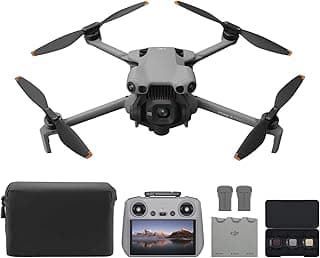
The Physics of Portability: Understanding Propulsion and Weight
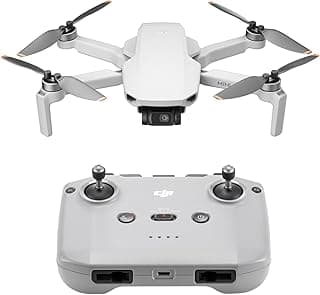
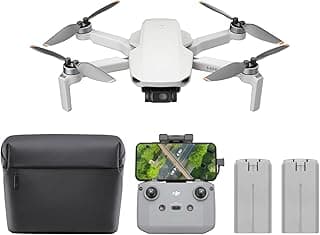
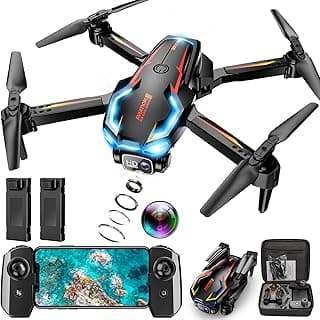
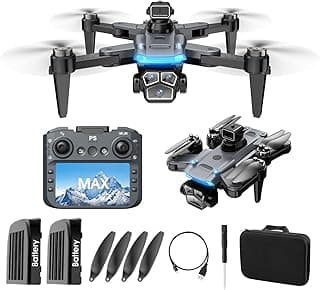
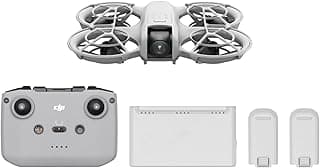
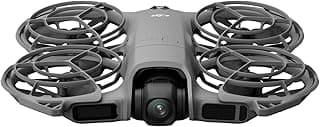
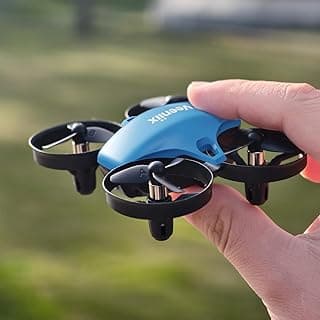
The primary appeal of the best portable drone is its ability to bypass the logistical hurdles of traditional photography equipment. From a mechanical engineering perspective, the efficiency of a drone is dictated by its thrust-to-weight ratio. Sub-250-gram drones have become the industry standard for portability because they often circumvent strict registration requirements in many jurisdictions. However, lower mass results in higher vulnerability to kinetic energy shifts from external wind gusts.
When evaluating a potential gift, look for "brushless motors." Unlike cheaper brushed alternatives, brushless systems utilize electronic speed controllers (ESCs) to adjust timing and torque with millisecond precision. This results in greater thermal efficiency and a significantly longer lifespan, which is a core tenet of the "Buy It For Life" philosophy. A drone with high-quality motors and aerodynamic, foldable propeller blades ensures that the gift remains functional after hundreds of flight cycles.
Gifting tech is about more than specifications; it is about upgrading the recipient's window to the digital world, ensuring every frame is a testament to quality.
Technical Comparison: Key Variables for Aerial Systems
To assist in the selection process, the following data highlights the technical variances between different tiers of compact flight systems. This allows the gift-giver to see exactly what a higher investment provides in terms of raw performance.
| Technical Specification | Entry-Level Portable | Mid-Range Traveler | Professional Compact |
|---|---|---|---|
| Sensor Size | 1/2.3-inch CMOS | 1/1.3-inch CMOS | 1-inch or Micro 4/3 |
| Transmission Protocol | Standard Wi-Fi | Enhanced Digital (OcuSync/Lightbridge) | Tri-Band Proprietary |
| Obstacle Avoidance | Downward sensors only | Tri-directional (Front/Back/Down) | Omnidirectional (360-degree) |
| Maximum Bitrate | 40-60 Mbps | 100-150 Mbps | 200+ Mbps (ProRes options) |
As demonstrated, the best 4k drone in a portable form factor relies heavily on the bitrate and sensor size rather than just the resolution numbers. A high-resolution sensor with a low bitrate will produce artifacts during fast lateral movements, rendering the footage unprofessional. For what is someone that loves technology, these technical nuances are often more appreciated than the physical design itself.
User Personas: Tailoring the Gift to the Recipient
The analysis of the best portable drone must account for the specific living conditions and physical capabilities of the user. We categorize recipients into three distinct groups to ensure the gift aligns with their actual needs:
The Minimalist Traveler
For individuals who frequent remote locations, weight is the enemy. The ideal best travel drone must feature a folding mechanism that locks securely without stressing the internal ribbon cables. In this category, the focus should be on USB-C charging compatibility, allowing the user to charge via power banks rather than requiring a dedicated AC outlet in the wilderness.
The Aspiring Cinematographer
This user demands a best aerial drone with a 3-axis mechanical gimbal. Digital stabilization (EIS) often crops the image and reduces low-light performance. A mechanical gimbal uses brushless motors to counteract every pitch, roll, and yaw of the aircraft, ensuring the horizon remains level. This is often seen as what is the greatest gift to give an artist, as it provides the foundation for cinematic storytelling.
The Tech Hobbyist
For those who enjoy the "tinkering" aspect of flight, firmware flexibility and intelligent flight modes (like ActiveTrack or Waypoints) are paramount. These users appreciate a drone that can follow them autonomously while they focus on other activities, such as cycling or hiking. The integration of high-speed internal storage is a critical "hidden" convenience that prevents a ruined session if a microSD card is forgotten.
Sustainability and the Total Cost of Ownership
A responsible gift strategist must consider the long-term maintenance of a drone. Lithium-Polymer (LiPo) batteries are volatile and degrade over time. The best portable drone models include "Smart Batteries" that automatically discharge to a storage voltage (3.8V per cell) after a period of inactivity. Without this feature, batteries can swell and become hazardous within months.
Furthermore, consider the availability of replacement parts. Drones are unique among consumer electronics in that they are designed with the expectation of kinetic impact. A system that allows the end-user to replace propellers, landing gear, or even arm segments is far superior to a "disposable" unibody design. Always check if the manufacturer offers a comprehensive care plan that covers accidental damage, as this provides peace of mind for the recipient.
Frequently Asked Questions
Is a drone under 250 grams always better for beginners?
No, while sub-250g drones avoid most legal registration hurdles, they are significantly more susceptible to wind drift than heavier models. A beginner might find a slightly heavier drone more stable and easier to control in coastal or mountainous areas where wind speeds exceed 15-20 mph. However, for urban use or travel, the portability of the lightweight class is unmatched.
Does a higher megapixel count mean better video quality?
Absolutely not; the physical size of the sensor and the quality of the lens optics are far more important than the megapixel count. A 12MP sensor that is 1 inch in size will almost always produce superior, less noisy video than a 48MP sensor that is only 1/2.3 inches. Megapixels are a marketing figure, while sensor area determines light-gathering capability.
How long do drone batteries actually last in real-world conditions?
Advertised flight times are typically measured in a vacuum or a windless indoor environment. In real-world conditions with 10 mph winds and active gimbal movement, you should subtract approximately 15-20% from the manufacturer's stated time. If a drone is rated for 30 minutes, expect 22 to 25 minutes of safe flight before the low-battery return-to-home (RTH) procedure initiates.
Can drones be repaired by the user if they crash?
Directly, it depends on the brand's modularity, but most modern portable drones are difficult to repair without specialized tools. Leading manufacturers have moved toward integrated designs that require professional service for gimbal or motherboard issues. To ensure a BIFL experience, choose a model with a robust community of third-party part suppliers and available repair tutorials.
Ultimately, selecting the best portable drone is an exercise in balancing technical specifications with the recipient's lifestyle. By prioritizing sensor quality, signal reliability, and battery intelligence over flashy marketing claims, you can provide a gift that truly elevates their perspective on the world around them.